




The Benefits of Adopting Permanent Magnet Motors in Transportation Projects
2026-05-24

The Benefits of Adopting Permanent Magnet Motors in Transportation Projects
Table of Contents
- 1. Introduction to Permanent Magnet Motors
- 2. Understanding Permanent Magnet Motors: How They Work
- 3. Advantages of Permanent Magnet Motors in Transportation
- 3.1 Energy Efficiency
- 3.2 Space-Saving Design
- 3.3 Reduced Maintenance Costs
- 3.4 Environmental Benefits
- 4. Applications of Permanent Magnet Motors in Transportation
- 5. Challenges in Adopting Permanent Magnet Motors
- 6. The Future of Permanent Magnet Motors in Transportation
- 7. Conclusion
- 8. FAQs About Permanent Magnet Motors in Transportation
1. Introduction to Permanent Magnet Motors
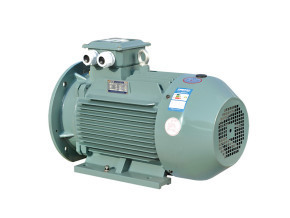
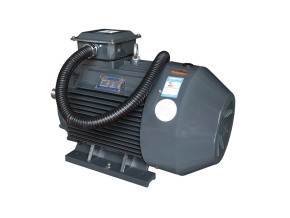
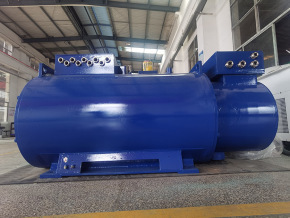
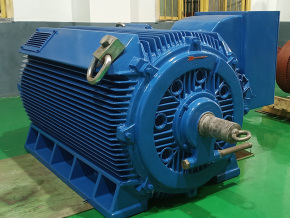
The transportation sector is undergoing a significant transformation, driven by the increasing demand for energy efficiency, sustainability, and innovation. One of the leading technologies at the forefront of this shift is the permanent magnet motor (PM motor). These motors utilize permanent magnets to create a magnetic field, enhancing their performance and operational efficiency compared to traditional motors. This article delves into the compelling benefits of adopting PM motors in various transportation projects, paving the way for enhanced productivity and reduced environmental impact.
2. Understanding Permanent Magnet Motors: How They Work
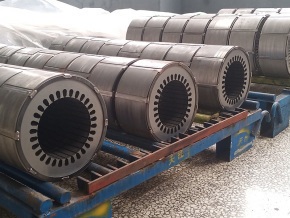
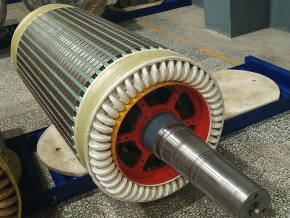
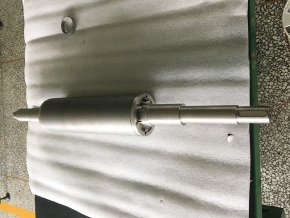
Permanent magnet motors operate on the principle of magnetic attraction and repulsion, employing permanent magnets in the rotor. Unlike conventional electric motors, which require both windings and a magnetic field, PM motors utilize the inherent magnetic properties of certain materials. This design leads to a more compact and efficient motor, capable of delivering high torque at low speeds.
Through their unique design, PM motors eliminate the need for additional power supplies to create magnetic fields, reducing overall energy consumption. They can achieve higher performance levels with less heat generation, which is critical for the longevity and reliability of transportation systems.
3. Advantages of Permanent Magnet Motors in Transportation
3.1 Energy Efficiency
One of the standout features of permanent magnet motors is their **superior energy efficiency**. With lower energy losses and higher torque output, PM motors can operate at efficiency levels exceeding 90%. This translates to reduced energy consumption in transportation applications, particularly relevant for electric vehicles and public transportation systems. The energy savings can lead to significant cost reductions over time, making PM motors an economically attractive option for fleet operators and transportation agencies.
3.2 Space-Saving Design
PM motors are designed to be compact and lightweight, which makes them ideal for transportation applications where space is at a premium. Their smaller size allows for flexible integration into various vehicles, from cars to buses and trains. This compact design not only enhances vehicle performance but also contributes to improved aerodynamics, further increasing energy efficiency.
3.3 Reduced Maintenance Costs
The durability and reliability of permanent magnet motors significantly lower maintenance costs. Since they have fewer moving parts and do not require brushes, PM motors are less prone to wear and tear. This means that transportation projects employing PM motors can expect longer operational lifespans and reduced maintenance intervals, leading to decreased downtime and operational disruptions.
3.4 Environmental Benefits
Adopting PM motors contributes to a **greener transportation ecosystem**. Their high energy efficiency and the potential for integration with renewable energy sources help reduce greenhouse gas emissions. Moreover, as cities and countries strive to meet stringent environmental regulations, the shift towards permanent magnet motors aligns well with global sustainability goals.
4. Applications of Permanent Magnet Motors in Transportation
The versatility of permanent magnet motors allows them to be effectively utilized across various transportation sectors.
4.1 Electric Vehicles
Electric vehicles (EVs) have become increasingly popular as the world seeks to reduce dependency on fossil fuels. PM motors play a pivotal role in EVs, offering high torque and rapid acceleration while maintaining energy efficiency. This capability is crucial for meeting consumer expectations for performance and range in electric vehicles.
4.2 Trains and Light Rail Systems
In the realm of public transport, PM motors are gaining traction in trains and light rail systems. Their efficiency and reliability can enhance the performance of electric trains, leading to lower operational costs and improved passenger experiences. With less noise and vibration, PM motors provide a smoother ride, which is an essential consideration for urban transit systems.
4.3 Marine Transportation
The marine industry is also beginning to recognize the benefits of PM motors. From electric ferries to hybrid vessels, these motors are being adopted to improve fuel efficiency and reduce emissions. The compact design of PM motors allows for innovative vessel designs that can enhance performance while meeting environmental standards.
5. Challenges in Adopting Permanent Magnet Motors
While the advantages of permanent magnet motors are compelling, there are challenges associated with their widespread adoption. One of the primary hurdles is the cost of rare earth materials used in manufacturing the magnets. Market fluctuations can affect the availability and pricing of these materials, impacting overall project budgets.
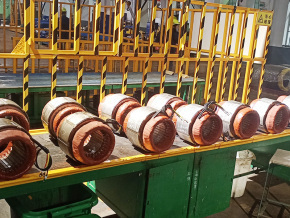
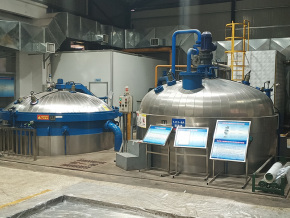
Additionally, the manufacturing process of PM motors can be complex, requiring specialized techniques and technologies. This complexity may deter some manufacturers from transitioning to PM motors, particularly in regions where resources and expertise are limited.
6. The Future of Permanent Magnet Motors in Transportation
Looking ahead, the future of permanent magnet motors in transportation appears promising. As technology advances and manufacturing processes become more efficient, the costs associated with PM motors are expected to decrease. Continued research into alternative materials and designs will also enhance their feasibility.
The push for sustainable transportation solutions will drive further innovation and adoption of PM motors. Governments and industries worldwide are prioritizing electric and hybrid technologies, making PM motors an integral part of future transportation solutions.
7. Conclusion
The adoption of permanent magnet motors in transportation projects presents a significant opportunity for enhancing efficiency, reducing emissions, and promoting sustainable practices. From electric vehicles to public transport systems, the benefits of PM motors are undeniable. As the industry continues to embrace this technology, we can expect to see a transformative impact on transportation, aligning with global sustainability goals and paving the way for a cleaner, more efficient future.
8. FAQs About Permanent Magnet Motors in Transportation
1. What is a permanent magnet motor?
A permanent magnet motor is an electric motor that uses permanent magnets to create a magnetic field, enhancing operational efficiency compared to conventional motors.
2. Why are permanent magnet motors important for electric vehicles?
They provide high torque and energy efficiency, which are crucial for performance and range in electric vehicles.
3. What are the environmental benefits of using permanent magnet motors?
PM motors help reduce greenhouse gas emissions due to their high energy efficiency and compatibility with renewable energy sources.
4. What challenges exist in adopting permanent magnet motors?
Challenges include the cost and availability of rare earth materials and the complexity of the manufacturing process.
5. What is the future outlook for permanent magnet motors in transportation?
The future looks promising as advances in technology and materials are expected to reduce costs and enhance adoption in the transportation sector.
recommend News

Wu Dejun: General Manager
Hu Pengbin: Marketing Director
Production site:
No.28, Huaiying Road, Gaoqiao Town, Changsha City, Hunan Province
Zip Code: 410145
Telephone:0731-86156236
ZhenHua Packing Machinery
Online consultation
Leave a message quickly and our experts will contact you
ZhenHua Packing Machinery
Business License

SAF Coolest v1.3.1.2 设置面板 GAGSD-ZGYF-JESSE-ZEA
无数据提示
Sorry, the current column is being updated, please look forward to it!
You can view other columns or returnHome Page