




From Concept to Reality: The Evolution of Subway Motor Design
2026-05-20

From Concept to Reality: The Evolution of Subway Motor Design
Table of Contents
- 1. Introduction to Subway Motor Design
- 2. A Brief History of Subway Motor Development
- 3. Different Types of Motors Used in Subways
- 4. The Evolution of Subway Motor Design
- 5. Modern Technologies Shaping Subway Motors
- 6. Enhancing Efficiency in Subway Motor Design
- 7. Safety Innovations in Subway Motor Design
- 8. Sustainability in Subway Motor Technology
- 9. The Future of Subway Motor Design
- 10. Frequently Asked Questions
- 11. Conclusion
1. Introduction to Subway Motor Design
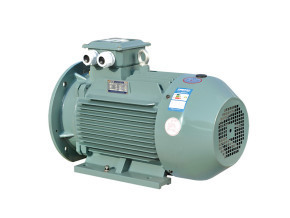
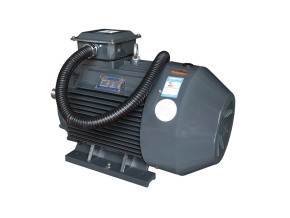
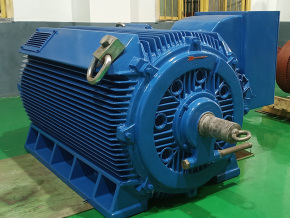
Subway systems play a crucial role in urban transportation, providing efficient, reliable public transit. At the heart of these systems are subway motors, which power the trains that transport millions of passengers daily. The **design of subway motors** has undergone a significant transformation over the decades, influenced by technological advancements, engineering innovations, and evolving urban needs. Understanding this evolution helps us appreciate the complexities behind the scenes in public transit systems.
2. A Brief History of Subway Motor Development
The journey of subway motor design began in the late 19th century when the first underground railways were established. Early subway motors were largely based on steam technology. However, as electric power became more accessible, electric motors rapidly gained popularity. The introduction of the **electric subway motor** marked a pivotal point in transit development, offering increased efficiency and reduced emissions.
The early 20th century saw the emergence of powerful DC motors, which dominated subway systems for decades. These motors provided significant torque, enabling trains to accelerate quickly despite the weight of the cars. Over the years, engineers experimented with various designs to improve efficiency, durability, and maintenance.
3. Different Types of Motors Used in Subways
Subway systems utilize various types of motors, each designed to meet specific operational requirements. The most common types include:
3.1 Direct Current (DC) Motors
Historically, **DC motors** were the workhorses of subway systems. They are known for their simplicity and excellent torque characteristics. However, they require regular maintenance, which can be costly.
3.2 Alternating Current (AC) Motors
In recent years, **AC motors** have gained acceptance due to their efficiency and reduced maintenance needs. These motors offer smoother acceleration and are typically more reliable than their DC counterparts.
3.3 Synchronous Motors
**Synchronous motors** are often used in modern subway systems for their ability to maintain a constant speed regardless of load. Their design allows for high efficiency and lower energy consumption, making them a popular choice for new subway projects.
4. The Evolution of Subway Motor Design
The design of subway motors has evolved significantly over the years. Initially, the focus was primarily on functionality and reliability. Engineers prioritized creating robust systems that could withstand the rigors of daily service.
4.1 Technological Advancements
As technology advanced, the design philosophy shifted towards efficiency and energy conservation. Modern subway motors are now equipped with sophisticated control systems that optimize performance, reduce energy consumption, and enhance reliability.
4.2 Integration of Electronics
The integration of electronic components has revolutionized subway motor design. **Power electronics** play a crucial role in controlling motor speed and torque, enabling more precise and responsive train operation.
4.3 Use of Lightweight Materials
The shift towards **lightweight materials** in motor construction has been another significant evolution. Using materials like aluminum and composites reduces the overall weight of the motors, leading to improved energy efficiency and performance.
5. Modern Technologies Shaping Subway Motors
Today, subway motor design incorporates various advanced technologies that enhance performance and sustainability. Key innovations include:
5.1 Regenerative Braking Systems
**Regenerative braking** allows subway trains to recover energy during braking, which can then be fed back into the power grid or used for accelerating the train. This technology significantly reduces energy consumption and operational costs.
5.2 Advanced Control Systems
Modern subway motors are equipped with **intelligent control systems** that can monitor performance in real-time. These systems optimize energy usage, improve safety, and enhance the overall reliability of subway operations.
5.3 Remote Monitoring and Diagnostics
The capability for **remote monitoring** has become an essential feature of modern subway motors. Operators can now track motor performance, identify issues before they escalate, and schedule maintenance more effectively.
6. Enhancing Efficiency in Subway Motor Design
Efficiency is a critical factor in subway motor design. Engineers continuously seek improvements in energy consumption and operational performance.
6.1 Energy Efficient Design Practices
Employing **energy-efficient design practices** involves optimizing motor size, selecting appropriate materials, and implementing advanced cooling systems. These practices ensure that subway motors operate within ideal parameters, maximizing their lifespan and reducing energy waste.
6.2 Optimization of Power Supply Systems
The power supply system is integral to the efficiency of subway motors. Upgrading and optimizing these systems can lead to significant improvements in power delivery, reducing losses and enhancing overall system performance.
7. Safety Innovations in Subway Motor Design
Safety is paramount in subway design. Recent innovations focus on minimizing risks associated with motor failure and ensuring passenger safety.
7.1 Fail-Safe Mechanisms
Modern subway motors incorporate **fail-safe mechanisms** that prevent catastrophic failures. These systems can detect potential problems and shut down the motor before an incident occurs, safeguarding both equipment and passengers.
7.2 Enhanced Protection Against Environmental Factors
Subway motors are now designed to withstand various environmental challenges, including extreme temperatures, moisture, and dust. Improved sealing and material choices enhance durability and reliability.
8. Sustainability in Subway Motor Technology
As cities strive for sustainability, subway motor design plays a key role in reducing the environmental impact of public transportation.
8.1 Eco-friendly Manufacturing Processes
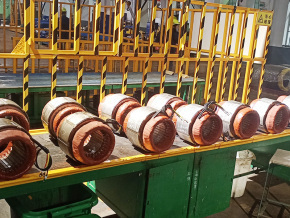
The push for **eco-friendly manufacturing processes** leads to reduced waste, lower emissions, and improved energy efficiency in motor production. This commitment to sustainability aligns with global efforts to combat climate change.
8.2 Sustainable Energy Sources
Many subway systems are now exploring the use of **renewable energy sources**, such as solar and wind power, to operate their motors. This shift not only lowers operational costs but also contributes to cleaner urban environments.
9. The Future of Subway Motor Design
The future of subway motor design holds exciting possibilities as technology continues to evolve.
9.1 Integration of Artificial Intelligence
The integration of **artificial intelligence (AI)** in motor design and operation can revolutionize subway systems. AI can enhance predictive maintenance, improve energy management, and optimize train scheduling, leading to more efficient and responsive transit services.
9.2 Development of Smart Grid Technologies
Advancements in **smart grid technologies** will allow subway systems to better manage energy consumption, integrating seamlessly with other urban infrastructure. This interconnected approach can lead to smarter, more sustainable cities.
10. Frequently Asked Questions
10.1 What are the main types of subway motors?
The main types of subway motors include DC motors, AC motors, and synchronous motors, each with unique characteristics and advantages.
10.2 How does regenerative braking work in subway systems?
Regenerative braking captures energy generated during braking and recycles it for use, significantly improving energy efficiency.
10.3 What is the role of electronics in modern subway motors?
Electronics play a crucial role in controlling motor performance, allowing for precise speed adjustments and energy optimization.
10.4 How do subway motors enhance safety?
Modern subway motors incorporate fail-safe mechanisms and enhanced protective designs that minimize risks and ensure passenger safety.
10.5 What is the future of subway motor design?
The future includes advancements in AI, smart grid technologies, and continued focus on sustainability, shaping the next generation of subway systems.
11. Conclusion
The evolution of subway motor design is a testament to the innovative spirit of engineers and the changing needs of urban transit. As technology continues to advance, subway motors will become more efficient, safer, and environmentally friendly. Understanding this evolution not only highlights the importance of subway systems in urban environments but also underscores the ongoing commitment to innovation and sustainability in public transit. As we look to the future, we can expect subway motor design to play a critical role in shaping the urban landscapes of tomorrow.
recommend News

Wu Dejun: General Manager
Hu Pengbin: Marketing Director
Production site:
No.28, Huaiying Road, Gaoqiao Town, Changsha City, Hunan Province
Zip Code: 410145
Telephone:0731-86156236
ZhenHua Packing Machinery
Online consultation
Leave a message quickly and our experts will contact you
ZhenHua Packing Machinery
Business License

SAF Coolest v1.3.1.2 设置面板 GAGSD-ZGYF-JESSE-ZEA
无数据提示
Sorry, the current column is being updated, please look forward to it!
You can view other columns or returnHome Page