




Understanding Subway Motors: The Heart of Urban Transit Systems
2026-05-06

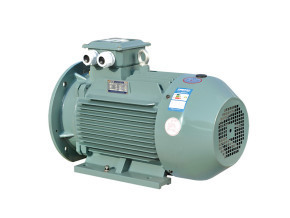
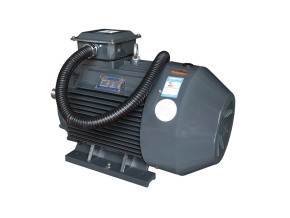
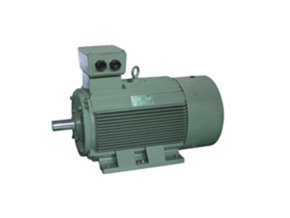
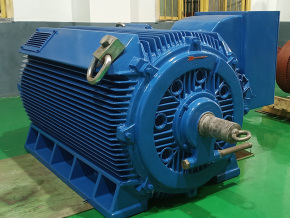
Subway motors are critical components of urban transit systems, powering trains that transport millions of passengers daily. These motors are specifically designed to handle the rigorous demands of frequent stops, rapid accelerations, and the ability to navigate the varying gradients of underground and elevated tracks. Understanding subway motors is key to appreciating their role in modern transportation.
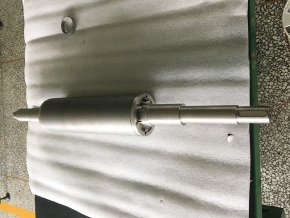
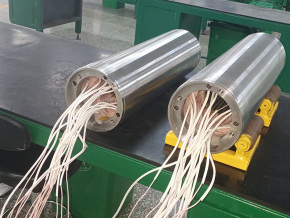
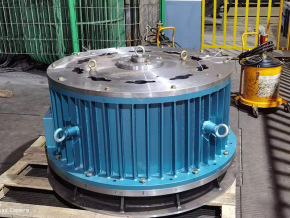
At their core, subway motors convert electrical energy into mechanical energy, propelling trains along their designated routes. Typically, two types of motors are prevalent in subway systems: DC (Direct Current) motors and AC (Alternating Current) motors. Each type has its unique advantages and applications.
DC motors were once the standard in subway systems due to their simplicity and reliability. They provide excellent torque at low speeds, making them ideal for the frequent starts and stops characteristic of subway travel. However, the rise of AC motors has transformed the landscape of urban transit. AC motors are favored for their efficiency, reduced maintenance needs, and ability to provide smoother acceleration. This transition reflects broader trends in transportation technology, wherein efficiency and sustainability have become paramount.
In addition to their operational components, subway motors are integral to train safety systems. They are designed with various safety features, including automatic shutdown capabilities and overheating protection. These systems work in tandem with train control technologies to ensure safe operation, especially in high-density urban areas where the potential for accidents is elevated.
Moreover, the efficiency of subway motors impacts not just the performance of the trains but also the overall sustainability of urban transit systems. By optimizing the energy consumption of subway motors, cities can reduce their carbon footprints, contributing to greener environments. Advances in technology, such as regenerative braking systems, allow subway motors to return energy to the grid during braking, further enhancing energy efficiency.
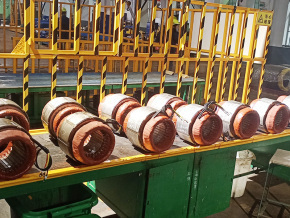
The maintenance of subway motors is another crucial aspect of their functionality. Regular inspections and servicing are necessary to prevent breakdowns that could disrupt service and inconvenience passengers. Transit authorities often invest in training specialized technicians to ensure that subway motors are maintained to the highest standards.
In conclusion, subway motors are more than just mechanical components; they are vital to the efficiency, safety, and sustainability of urban transportation systems. Understanding their operation and importance can provide valuable insights into the functioning of city transit networks. As technology continues to evolve, subway motors will likely be at the forefront of innovations that enhance urban mobility, making it an exciting area for both transport professionals and passengers alike.
At their core, subway motors convert electrical energy into mechanical energy, propelling trains along their designated routes. Typically, two types of motors are prevalent in subway systems: DC (Direct Current) motors and AC (Alternating Current) motors. Each type has its unique advantages and applications.
DC motors were once the standard in subway systems due to their simplicity and reliability. They provide excellent torque at low speeds, making them ideal for the frequent starts and stops characteristic of subway travel. However, the rise of AC motors has transformed the landscape of urban transit. AC motors are favored for their efficiency, reduced maintenance needs, and ability to provide smoother acceleration. This transition reflects broader trends in transportation technology, wherein efficiency and sustainability have become paramount.
In addition to their operational components, subway motors are integral to train safety systems. They are designed with various safety features, including automatic shutdown capabilities and overheating protection. These systems work in tandem with train control technologies to ensure safe operation, especially in high-density urban areas where the potential for accidents is elevated.
Moreover, the efficiency of subway motors impacts not just the performance of the trains but also the overall sustainability of urban transit systems. By optimizing the energy consumption of subway motors, cities can reduce their carbon footprints, contributing to greener environments. Advances in technology, such as regenerative braking systems, allow subway motors to return energy to the grid during braking, further enhancing energy efficiency.
The maintenance of subway motors is another crucial aspect of their functionality. Regular inspections and servicing are necessary to prevent breakdowns that could disrupt service and inconvenience passengers. Transit authorities often invest in training specialized technicians to ensure that subway motors are maintained to the highest standards.
In conclusion, subway motors are more than just mechanical components; they are vital to the efficiency, safety, and sustainability of urban transportation systems. Understanding their operation and importance can provide valuable insights into the functioning of city transit networks. As technology continues to evolve, subway motors will likely be at the forefront of innovations that enhance urban mobility, making it an exciting area for both transport professionals and passengers alike.
recommend News

Wu Dejun: General Manager
Hu Pengbin: Marketing Director
Production site:
No.28, Huaiying Road, Gaoqiao Town, Changsha City, Hunan Province
Zip Code: 410145
Telephone:0731-86156236
ZhenHua Packing Machinery
Online consultation
Leave a message quickly and our experts will contact you
ZhenHua Packing Machinery
Business License

SAF Coolest v1.3.1.2 设置面板 GAGSD-ZGYF-JESSE-ZEA
无数据提示
Sorry, the current column is being updated, please look forward to it!
You can view other columns or returnHome Page