




From Concept to Reality: Industrial Motors in Advanced Transportation Solutions
2026-05-04

From Concept to Reality: Industrial Motors in Advanced Transportation Solutions
Table of Contents
- 1. Introduction to Industrial Motors in Transportation
- 2. The Role of Industrial Motors in Advanced Transportation
- 3. Types of Industrial Motors Used in Transportation
- 4. Advantages of Using Industrial Motors in Transportation Solutions
- 5. Applications of Industrial Motors in Transportation
- 6. Technological Advancements in Industrial Motors
- 7. Sustainability and Environmental Impact
- 8. Future Trends in Industrial Motors and Transportation
- 9. Frequently Asked Questions
- 10. Conclusion
1. Introduction to Industrial Motors in Transportation
Industrial motors serve as the backbone of many advanced transportation solutions, transforming conceptual designs into real-world applications. These motors are engineered to deliver the power and efficiency necessary for a variety of transport modes, ranging from electric vehicles to automated public transport systems. Understanding their significance in the transportation landscape is crucial for grasping how modern mobility is evolving.
2. The Role of Industrial Motors in Advanced Transportation
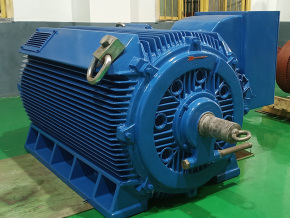
Industrial motors play a pivotal role in enhancing performance, reliability, and sustainability in transportation. They are utilized in various systems, including electric and hybrid vehicles, drones, and high-speed trains. By converting electrical energy into mechanical energy, these motors provide the force needed to propel vehicles, making them essential for innovations like automated driving and electrified public transit networks.
3. Types of Industrial Motors Used in Transportation
Understanding the different types of industrial motors is vital for selecting the right one for specific transportation applications.
3.1 AC Motors
AC motors are prevalent in numerous applications due to their robustness and efficiency. They are particularly favored in public transport systems, such as subways and trams.
3.2 DC Motors
DC motors offer high torque and precise speed control, making them ideal for electric vehicles and robotics in transportation.
3.3 Brushless Motors
Brushless motors are known for their efficiency and longevity. They are commonly used in drones and electric vehicles, where performance and weight are critical factors.
3.4 Stepper Motors
Stepper motors allow for precise control over movement, making them suitable for automated vehicles and advanced steering systems.
4. Advantages of Using Industrial Motors in Transportation Solutions
Industrial motors provide a multitude of benefits that enhance transportation systems:
4.1 Enhanced Efficiency
Industrial motors are designed for optimal energy consumption, offering substantial improvements over traditional combustion engines. This efficiency leads to lower operational costs and prolonged vehicle lifespan.
4.2 Reliability
The durability of industrial motors ensures that transportation systems remain operational with minimal downtime. This reliability is crucial for public transport and logistics.
4.3 Reduced Maintenance
With fewer moving parts compared to internal combustion engines, industrial motors require less maintenance, which translates into cost savings for operators.
4.4 Flexibility
The versatility of industrial motors allows for easy integration into various transportation systems, adapting to different requirements and technologies.
5. Applications of Industrial Motors in Transportation
Industrial motors are utilized across multiple domains within the transportation sector, including:
5.1 Electric Vehicles (EVs)
EVs are at the forefront of the transportation revolution, primarily powered by advanced industrial motors that ensure efficient energy use and performance.
5.2 Public Transit Systems
Public transit relies heavily on industrial motors for buses, trains, and trams, ensuring smooth and efficient operations.
5.3 Aerospace and Drones
In the aerospace sector, industrial motors enhance the capabilities of drones and electric aircraft, focusing on innovation and efficiency.
5.4 Automated Logistics
Automated transport systems, such as warehouse robots and delivery vehicles, utilize industrial motors for precise and reliable operations.
6. Technological Advancements in Industrial Motors
The future of transportation is being shaped by continuous advancements in industrial motor technology. These innovations include:
6.1 Smart Motors
Smart motors equipped with IoT capabilities allow for real-time monitoring and predictive maintenance, enhancing operational efficiency.
6.2 High-Performance Materials
The use of lightweight and durable materials in motor construction improves performance while reducing energy consumption.
6.3 Advanced Control Systems
New control technologies, such as vector control and field-oriented control, enable precise speed and torque management, enhancing overall motor performance.
7. Sustainability and Environmental Impact
Environmental considerations are becoming increasingly important in transportation solutions. Industrial motors contribute to sustainability efforts by:
7.1 Reducing Carbon Footprint
By enabling electric and hybrid vehicle technologies, industrial motors significantly lower greenhouse gas emissions associated with traditional transport systems.
7.2 Promoting Renewable Energy Use
Many industrial motors can operate effectively with renewable energy sources, further contributing to a sustainable future in transportation.
7.3 Enhancing Energy Efficiency
The inherent efficiency of industrial motors minimizes energy wastage, promoting sustainable practices in transportation.
8. Future Trends in Industrial Motors and Transportation
As the transportation industry evolves, several trends are expected to shape the future of industrial motors:
8.1 Electrification of Transportation
The transition to electric vehicles will continue to gain momentum, with industrial motors at the heart of this change.
8.2 Integration of Artificial Intelligence
AI technologies will enhance motor performance and efficiency by enabling smarter control systems and predictive analytics.
8.3 Expansion of Autonomous Vehicles
As autonomous vehicle technology advances, industrial motors will be essential for ensuring reliability and safety in these systems.
9. Frequently Asked Questions
Q1: What are industrial motors?
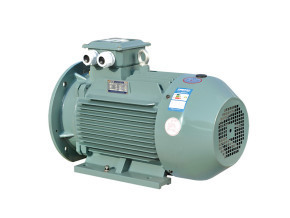
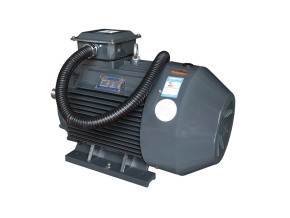
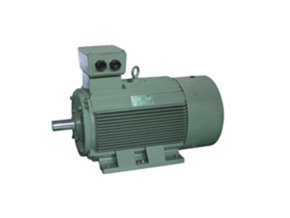
A1: Industrial motors are electromechanical devices that convert electrical energy into mechanical energy, primarily used in various applications, including transportation.
Q2: How do industrial motors improve transportation efficiency?
A2: They provide reliable and consistent power, reduce energy consumption, and minimize operational costs, leading to improved overall efficiency.
Q3: What types of industrial motors are most commonly used in transportation?
A3: AC motors, DC motors, brushless motors, and stepper motors are some of the most commonly used types in transportation applications.
Q4: What role do industrial motors play in electric vehicles?
A4: Industrial motors are essential for powering electric vehicles, offering high torque and efficiency for optimal performance.
Q5: How do industrial motors contribute to sustainability in transportation?
A5: They help reduce emissions, promote the use of renewable energy, and enhance energy efficiency, contributing to more sustainable transportation solutions.
10. Conclusion
In conclusion, industrial motors are key players in the evolution of advanced transportation solutions. They bridge the gap between concept and reality, powering innovations that enhance efficiency, reliability, and sustainability. As technology continues to advance, the role of these motors will become even more critical, shaping the future of transportation for generations to come. By investing in and understanding the capabilities of industrial motors, we can pave the way for a more advanced and sustainable transportation ecosystem.
recommend News

Wu Dejun: General Manager
Hu Pengbin: Marketing Director
Production site:
No.28, Huaiying Road, Gaoqiao Town, Changsha City, Hunan Province
Zip Code: 410145
Telephone:0731-86156236
ZhenHua Packing Machinery
Online consultation
Leave a message quickly and our experts will contact you
ZhenHua Packing Machinery
Business License

SAF Coolest v1.3.1.2 设置面板 GAGSD-ZGYF-JESSE-ZEA
无数据提示
Sorry, the current column is being updated, please look forward to it!
You can view other columns or returnHome Page