




Exploring Different Types of Rail Transit Motors Used Today: A Comprehensive Guide
2026-05-08

Exploring Different Types of Rail Transit Motors Used Today
Table of Contents
- 1. Introduction to Rail Transit Motors
- 2. Importance of Rail Transit Motors in Modern Transport
- 3. Types of Rail Transit Motors
- 3.1 DC Motors
- 3.2 AC Motors
- 3.3 Stepper Motors
- 3.4 Induction Motors
- 3.5 Synchronous Motors
- 3.6 Linear Motors
- 4. Comparison of Rail Motor Types
- 5. Factors Influencing Motor Selection in Rail Transit
- 6. Recent Innovations in Rail Transit Motors
- 7. Future Trends in Rail Transit Motor Technologies
- 8. Frequently Asked Questions
- 9. Conclusion
1. Introduction to Rail Transit Motors
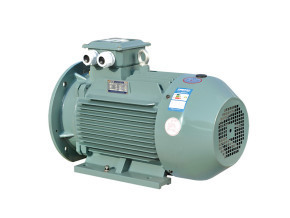
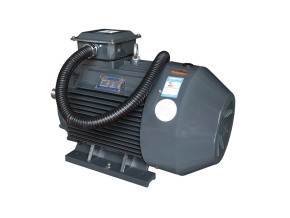
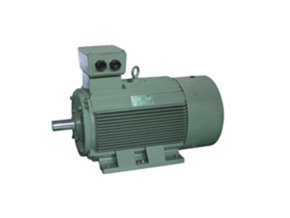
Rail transit motors are the heart of modern rail systems, transforming electrical energy into mechanical energy to propel trains along their routes. As technology has advanced, the design and efficiency of these motors have evolved, leading to significant improvements in performance and sustainability. In this guide, we will explore the various types of rail transit motors and their applications, highlighting the critical role they play in the transportation sector.
2. Importance of Rail Transit Motors in Modern Transport
The role of rail transit motors extends far beyond mere propulsion. These motors are essential for several purposes, including:
- **Efficiency**: With advancements in technology, modern rail motors offer improved energy efficiency, leading to reduced operational costs.
- **Reliability**: High-quality motors ensure consistent performance, increasing the reliability of rail services.
- **Sustainability**: Electric motors reduce carbon emissions compared to traditional diesel engines, contributing to greener transport solutions.
- **Safety**: Advanced motor technologies enhance safety features in rail systems, including braking and control.
3. Types of Rail Transit Motors
Understanding the different types of rail transit motors is crucial for identifying their appropriate applications in various rail systems. Below, we detail the primary motor types currently in use.
3.1 DC Motors
DC motors have long been a staple in rail transit, offering ease of control and high torque at low speeds. These motors typically use a commutator and brushes to maintain rotational movement. While they face challenges such as maintenance requirements due to wear on brushes, their simplicity and responsiveness make them suitable for many rail applications.
3.2 AC Motors
AC motors, including both induction and synchronous types, have gained popularity in rail transit for their robustness and efficiency. They require less maintenance than DC motors, as they do not have brushes. AC motors are particularly advantageous for high-speed rail systems, providing smooth and efficient operation across various speeds.
3.3 Stepper Motors
Stepper motors are widely used in applications that require precise control over movement. In rail systems, they are often employed in auxiliary functions, such as door mechanisms and signaling. Their ability to move in discrete steps allows for accurate positioning, critical for safety operations.
3.4 Induction Motors
Induction motors are a type of AC motor that rely on electromagnetic induction to generate motion. They are known for their durability and efficiency, making them ideal for heavy-duty applications in rail transit. These motors can handle high loads and operate well under varying conditions, contributing to the overall reliability of rail systems.
3.5 Synchronous Motors
Synchronous motors are distinguished by their ability to operate at a constant speed, synchronized with the frequency of the supply current. This feature is particularly valuable in rail systems that require precise speed control. While more complex than induction motors, their efficiency and performance make them a popular choice in modern rail applications.
3.6 Linear Motors
Linear motors are an innovative technology that converts electrical energy directly into linear motion. In rail transit, they are primarily used in maglev (magnetic levitation) systems, offering high speeds and smooth rides without the friction associated with traditional wheel-on-rail systems. The development of linear motors represents a significant leap in rail technology.
4. Comparison of Rail Motor Types
When selecting a rail transit motor, various factors must be considered, including efficiency, maintenance requirements, and application suitability. Below is a comparative overview of the motor types discussed:
| Motor Type | Efficiency | Maintenance | Application |
|---|---|---|---|
| DC Motors | Moderate | High | Low-speed applications |
| AC Motors | High | Low | High-speed rail |
| Stepper Motors | Moderate | Low | Precise positioning |
| Induction Motors | High | Low | Heavy-duty applications |
| Synchronous Motors | Very High | Moderate | Speed-sensitive applications |
| Linear Motors | Very High | Low | Maglev systems |
5. Factors Influencing Motor Selection in Rail Transit
Choosing the right motor for a rail transit system involves several critical factors:
- **Speed Requirements**: The desired speed of the rail service will significantly influence motor selection. High-speed trains benefit from AC and linear motors.
- **Load Capacity**: The weight and size of the trains, along with the expected load, impact the type of motor needed.
- **Efficiency Goals**: Increasing energy efficiency reduces operational costs and supports sustainability goals. Motors with higher efficiency ratings are preferable.
- **Maintenance Considerations**: Motors requiring less frequent maintenance can reduce downtime and operational disruptions.
- **Cost**: Initial investment versus long-term savings is crucial in making a decision. Higher upfront costs for efficient motors may pay off over time.
6. Recent Innovations in Rail Transit Motors
The rail industry has seen numerous innovations in motor technology aimed at increasing efficiency and reducing environmental impact. Some notable advancements include:
- **High-temperature Superconductors**: These materials allow for more efficient current flow, reducing energy losses in motors and enabling lighter trains.
- **Advanced Control Systems**: Smart control systems optimize motor performance in real-time, adapting to varying loads and speeds.
- **Integrated Drives**: Systems that combine motors and drives into a single unit reduce space requirements and simplify installation.
- **Energy Recovery Systems**: Technologies that capture and reuse energy during braking contribute to overall energy efficiency.
7. Future Trends in Rail Transit Motor Technologies
Looking ahead, several trends are likely to shape the future of rail transit motors:
- **Electrification of Rail Lines**: Continued emphasis on electrifying rail lines will lead to greater adoption of electric motors, impacting the types of motors used.
- **Sustainability Initiatives**: As environmental regulations tighten, rail systems will increasingly focus on motors that minimize emissions and improve energy consumption.
- **Digitalization**: The integration of IoT and data analytics into motor systems will enable predictive maintenance and improved operational efficiency.
- **Hybrid Systems**: The development of hybrid systems that combine electric and alternative energies will expand the options available for rail transit motors.
8. Frequently Asked Questions
What is the most common type of motor used in rail transit?
The most common types of motors used in rail transit today are AC induction motors and synchronous motors, due to their efficiency and reliability.
Why are linear motors important for maglev trains?
Linear motors are essential for maglev trains because they provide propulsion without physical contact with the tracks, allowing for higher speeds and a smoother ride.
What factors affect the selection of a rail transit motor?
Key factors include speed requirements, load capacity, efficiency goals, maintenance considerations, and cost.
How do electric motors contribute to sustainability in rail transit?
Electric motors reduce carbon emissions compared to diesel engines and improve energy efficiency, contributing to more sustainable rail transit solutions.
What innovations are currently shaping the future of rail motors?
Innovations such as high-temperature superconductors, advanced control systems, and energy recovery systems are significantly enhancing motor performance and sustainability in rail transit.
9. Conclusion
In conclusion, the evolution of rail transit motors has been marked by significant advancements that enhance efficiency, reliability, and sustainability. As the demand for improved rail services continues to grow, understanding the different types of motors and their applications becomes increasingly vital. From DC and AC motors to innovative linear technologies, each type plays a crucial role in powering the trains of today and tomorrow. By staying informed about trends and innovations, stakeholders can make educated decisions that propel the rail industry into a more efficient and sustainable future.
recommend News

Wu Dejun: General Manager
Hu Pengbin: Marketing Director
Production site:
No.28, Huaiying Road, Gaoqiao Town, Changsha City, Hunan Province
Zip Code: 410145
Telephone:0731-86156236
ZhenHua Packing Machinery
Online consultation
Leave a message quickly and our experts will contact you
ZhenHua Packing Machinery
Business License

SAF Coolest v1.3.1.2 设置面板 GAGSD-ZGYF-JESSE-ZEA
无数据提示
Sorry, the current column is being updated, please look forward to it!
You can view other columns or returnHome Page