




Unlocking the Future of Transportation: The Role of High-Efficiency Motors
2026-05-02

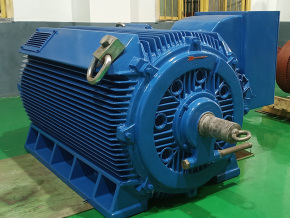
High-efficiency motors are designed to convert electrical energy into mechanical energy with minimal losses. Unlike traditional motors, which can waste a significant amount of energy through heat, high-efficiency motors utilize advanced materials and innovative designs to achieve superior performance. In the field of transportation, these motors are crucial for improving the overall efficiency of various devices, ranging from electric vehicles to mass transit systems.
One of the primary benefits of high-efficiency motors is their ability to reduce energy consumption. This is particularly important in an industry that is continually seeking to enhance sustainability and reduce carbon footprints. By implementing high-efficiency motors in transportation applications, companies can achieve significant savings on energy costs while simultaneously contributing to environmental conservation.
Additionally, high-efficiency motors often have a longer operational lifespan compared to their less efficient counterparts. This longevity translates to reduced maintenance and replacement costs for companies, allowing them to allocate resources more effectively. As transportation devices become more integrated into smart infrastructure, the reliability of high-efficiency motors will play a critical role in ensuring seamless operations.
Moreover, the performance characteristics of high-efficiency motors can enhance the overall functionality of transportation equipment. These motors typically provide higher torque and better acceleration, leading to improved responsiveness and performance. For example, in electric buses and trains, high-efficiency motors can facilitate quicker starts and smoother stops, enhancing the passenger experience.
From a technological standpoint, high-efficiency motors are often equipped with advanced electronic controls that optimize power usage. This integration of technology not only maximizes efficiency but also allows for real-time monitoring and diagnostics. Such features empower transportation operators to make data-driven decisions, further optimizing operational efficiency and safety.
In conclusion, high-efficiency motors represent a significant advancement in the transportation sector, particularly in the realm of transportation devices and components. Their ability to reduce energy consumption, extend operational lifespan, enhance performance, and integrate advanced technology positions them as a key component in the future of sustainable transportation solutions. As industries continue to evolve towards greener practices, high-efficiency motors will undoubtedly play an integral role in shaping the future of transportation.
One of the primary benefits of high-efficiency motors is their ability to reduce energy consumption. This is particularly important in an industry that is continually seeking to enhance sustainability and reduce carbon footprints. By implementing high-efficiency motors in transportation applications, companies can achieve significant savings on energy costs while simultaneously contributing to environmental conservation.
Additionally, high-efficiency motors often have a longer operational lifespan compared to their less efficient counterparts. This longevity translates to reduced maintenance and replacement costs for companies, allowing them to allocate resources more effectively. As transportation devices become more integrated into smart infrastructure, the reliability of high-efficiency motors will play a critical role in ensuring seamless operations.
Moreover, the performance characteristics of high-efficiency motors can enhance the overall functionality of transportation equipment. These motors typically provide higher torque and better acceleration, leading to improved responsiveness and performance. For example, in electric buses and trains, high-efficiency motors can facilitate quicker starts and smoother stops, enhancing the passenger experience.
From a technological standpoint, high-efficiency motors are often equipped with advanced electronic controls that optimize power usage. This integration of technology not only maximizes efficiency but also allows for real-time monitoring and diagnostics. Such features empower transportation operators to make data-driven decisions, further optimizing operational efficiency and safety.
In conclusion, high-efficiency motors represent a significant advancement in the transportation sector, particularly in the realm of transportation devices and components. Their ability to reduce energy consumption, extend operational lifespan, enhance performance, and integrate advanced technology positions them as a key component in the future of sustainable transportation solutions. As industries continue to evolve towards greener practices, high-efficiency motors will undoubtedly play an integral role in shaping the future of transportation.
recommend News

Wu Dejun: General Manager
Hu Pengbin: Marketing Director
Production site:
No.28, Huaiying Road, Gaoqiao Town, Changsha City, Hunan Province
Zip Code: 410145
Telephone:0731-86156236
ZhenHua Packing Machinery
Online consultation
Leave a message quickly and our experts will contact you
ZhenHua Packing Machinery
Business License

SAF Coolest v1.3.1.2 设置面板 GAGSD-ZGYF-JESSE-ZEA
无数据提示
Sorry, the current column is being updated, please look forward to it!
You can view other columns or returnHome Page