




Understanding the Role of Medium-Voltage DC Motors in Advanced Transport Systems
2026-04-30

Understanding the Role of Medium-Voltage DC Motors in Advanced Transport Systems
Table of Contents
- Introduction
- What Are Medium-Voltage DC Motors?
- Advantages of Medium-Voltage DC Motors in Transport Systems
- Applications in Advanced Transport Systems
- How Medium-Voltage DC Motors Work
- Environmental Impact of Medium-Voltage DC Motors
- The Future of Transportation with Medium-Voltage DC Motors
- Challenges and Solutions in Implementing Medium-Voltage DC Motors
- Frequently Asked Questions
- Conclusion
Introduction
In the ever-evolving world of transportation, the need for efficient, reliable, and sustainable energy sources is paramount. Medium-voltage DC motors have emerged as a game-changer in this sector, providing an effective solution for modern transport systems. As we delve into the intricacies of medium-voltage DC motors, we will explore their definition, operational mechanics, advantages, applications, and their future potential in revolutionizing how we move goods and people.
What Are Medium-Voltage DC Motors?
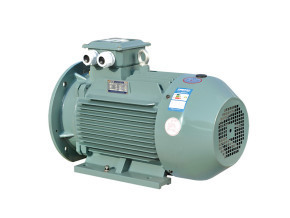
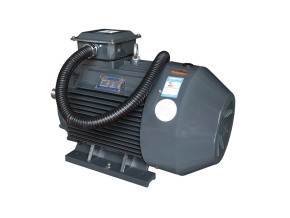
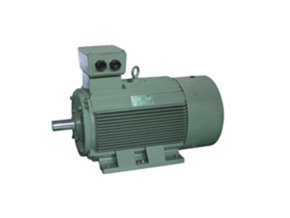
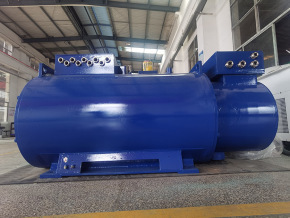
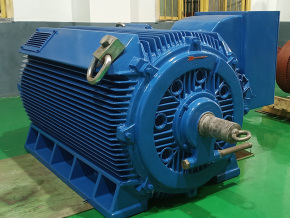
Medium-voltage DC motors are specialized electrical machines that operate within the voltage range of 1 kV to 15 kV. They are primarily used in applications that require high power and torque, making them ideal for advanced transport systems. Unlike standard low-voltage DC motors, medium-voltage versions offer enhanced efficiency, higher performance, and the ability to handle larger loads.
These motors are designed to convert electrical energy into mechanical energy, using direct current to create rotational motion. Their robust construction and efficient design make them suitable for a variety of demanding applications, such as electric vehicles, rail transport, and heavy-duty machinery.
Key Characteristics of Medium-Voltage DC Motors
- **High Efficiency:** Medium-voltage DC motors boast outstanding efficiency ratings, significantly reducing energy consumption.
- **Powerful Torque:** These motors provide high starting torque, essential for vehicles and heavy-duty applications.
- **Durability:** Built to withstand harsh conditions, they feature robust materials and designs that enhance longevity.
- **Compact Size:** Despite their power, medium-voltage DC motors can be relatively compact, allowing for easier integration into various transport systems.
Advantages of Medium-Voltage DC Motors in Transport Systems
The adoption of medium-voltage DC motors in transport systems presents numerous advantages:
1. Enhanced Energy Efficiency
Medium-voltage DC motors are designed to maximize energy efficiency, minimizing losses during operation. This not only leads to cost savings but also supports sustainability efforts by reducing overall energy consumption.
2. Reduced Maintenance Costs
Due to their robust construction and reliable performance, these motors typically require less maintenance compared to other motor types. This translates into lower operational costs and reduced downtime, which is critical in transportation.
3. Improved Safety Features
With advanced control systems, medium-voltage DC motors can provide smoother acceleration and deceleration, enhancing safety for passengers and cargo.
4. Versatile Applications
These motors can be employed in various transport applications, including electric and hybrid vehicles, rail systems, and marine transport.
Applications in Advanced Transport Systems
Medium-voltage DC motors are increasingly being integrated into advanced transport systems. Let’s explore some of their key applications:
1. Electric Vehicles (EVs)
The automotive industry is undergoing a significant transformation with the rise of electric vehicles. Medium-voltage DC motors play a vital role in driving EVs, providing the necessary power and torque for efficient operation. Their lightweight design and high efficiency help in extending the vehicle's range.
2. Electric Trains and Light Rail Systems
In rail transport, medium-voltage DC motors are utilized for traction systems, enhancing the performance and efficiency of electric trains and light rail systems. Their high torque capabilities ensure smooth acceleration and efficient energy use.
3. Marine Applications
In marine transport, medium-voltage DC motors drive various systems, from propulsion to auxiliary systems. They help reduce emissions and improve fuel efficiency, aligning with global sustainability goals.
4. Heavy-Duty Machinery
Medium-voltage DC motors are also employed in heavy-duty machinery used in logistics and construction. Their ability to handle high loads makes them indispensable in these sectors.
How Medium-Voltage DC Motors Work
Understanding the operation of medium-voltage DC motors involves examining their components and functionality.
1. Armature and Stator
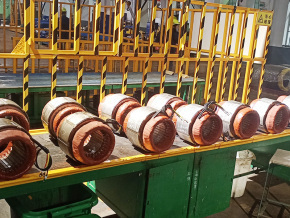
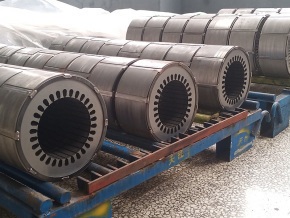
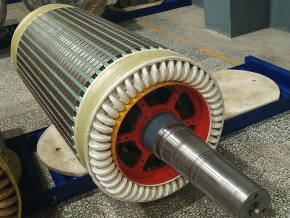
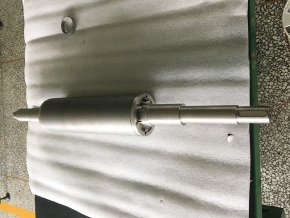
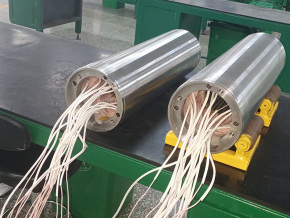
The armature is the rotating part of the motor, while the stator remains stationary. The interaction between the magnetic field generated by the stator and the current flowing through the armature produces torque, causing rotation.
2. Commutation
Commutation is the process that allows the motor to maintain rotation. Medium-voltage DC motors use brushes and commutators to ensure that the current direction in the armature windings changes as the motor rotates, maintaining continuous torque.
3. Control Systems
Modern medium-voltage DC motors are equipped with sophisticated control systems that optimize performance. These systems adjust the voltage and current based on load demands, ensuring efficient operation across various conditions.
Environmental Impact of Medium-Voltage DC Motors
The shift towards medium-voltage DC motors significantly contributes to environmental sustainability. By reducing energy consumption and emissions, these motors play a critical role in combating climate change.
1. Lower Carbon Footprint
The use of medium-voltage DC motors in electric vehicles and public transport helps decrease greenhouse gas emissions, making urban areas cleaner and healthier.
2. Noise Pollution Reduction
Electric motors operate more quietly than traditional combustion engines, contributing to reduced noise pollution in densely populated areas.
The Future of Transportation with Medium-Voltage DC Motors
As technology continues to evolve, the future of transportation will increasingly rely on medium-voltage DC motors.
1. Advancements in Battery Technology
Improved battery technologies will enhance the performance of medium-voltage DC motors, offering greater range and efficiency for electric vehicles.
2. Integration with Smart Technologies
The integration of IoT and smart technologies will allow for real-time monitoring and optimization of medium-voltage DC motors, leading to smarter and more efficient transport systems.
3. Expansion of Infrastructure
As cities invest in electric public transportation systems, the demand for medium-voltage DC motors will grow, driving further innovation in this field.
Challenges and Solutions in Implementing Medium-Voltage DC Motors
Despite their advantages, the adoption of medium-voltage DC motors is not without challenges.
1. High Initial Costs
While the long-term savings are significant, the initial investment for medium-voltage DC motors can be high. Solutions include government incentives and financing options to encourage adoption.
2. Technical Expertise
Implementing medium-voltage DC motors requires specialized knowledge and skills. Industry partnerships and training programs can help bridge this gap.
3. Infrastructure Adaptation
Existing transport systems may require significant modifications to accommodate medium-voltage DC motors. Planning and investment in infrastructure will be essential for seamless integration.
Frequently Asked Questions
1. What is the difference between low and medium-voltage DC motors?
Medium-voltage DC motors operate between 1 kV to 15 kV, providing higher power and efficiency compared to low-voltage motors, which operate below this range.
2. Are medium-voltage DC motors environmentally friendly?
Yes, they contribute to lower energy consumption and reduced emissions, supporting sustainability goals in transportation.
3. Can medium-voltage DC motors be used in renewable energy applications?
Absolutely! They can be integrated into renewable energy systems for electric vehicles and smart grids.
4. What industries benefit from medium-voltage DC motors?
Industries such as automotive, rail transport, marine, and heavy machinery all benefit from the efficiency and performance of medium-voltage DC motors.
5. How can I ensure the longevity of medium-voltage DC motors?
Regular maintenance, proper installation, and using advanced control systems can enhance the lifespan of these motors.
Conclusion
Medium-voltage DC motors are at the forefront of modern transportation technology, providing efficiency, safety, and sustainability. As we navigate a world increasingly focused on reducing environmental impact, the role of these motors will become even more critical. By embracing medium-voltage DC motors, industries can enhance their operational efficiency, contribute to greener transportation solutions, and pave the way for the future of mobility.
recommend News

Wu Dejun: General Manager
Hu Pengbin: Marketing Director
Production site:
No.28, Huaiying Road, Gaoqiao Town, Changsha City, Hunan Province
Zip Code: 410145
Telephone:0731-86156236
ZhenHua Packing Machinery
Online consultation
Leave a message quickly and our experts will contact you
ZhenHua Packing Machinery
Business License

SAF Coolest v1.3.1.2 设置面板 GAGSD-ZGYF-JESSE-ZEA
无数据提示
Sorry, the current column is being updated, please look forward to it!
You can view other columns or returnHome Page