




The Role of Subway Motors in Modern Transportation Systems
2026-04-08

Subway motors play a critical role in the efficiency and functionality of urban transit systems. As cities around the world continue to expand, the demand for effective public transportation solutions rises, making subway systems indispensable. The motor is at the heart of these systems, driving the trains that transport millions of passengers daily. Understanding the technology and innovation behind subway motors is essential for professionals in the transportation industry to enhance operational efficiency and passenger experience.
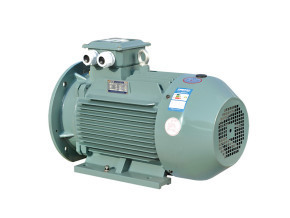
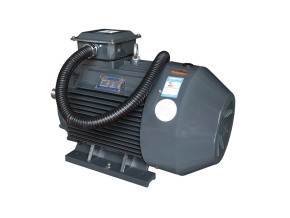
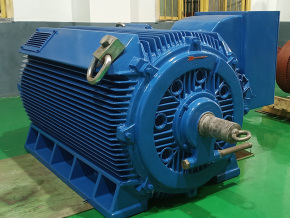
Subway motors, typically electric, are designed to provide high torque and power while ensuring energy efficiency. The use of synchronous and asynchronous motors has become prevalent, with advancements in materials and design leading to improved performance. Synchronous motors are known for their ability to maintain a constant speed and are often used in high-speed applications, while asynchronous motors are favored for their robustness and ease of maintenance. Both types contribute significantly to the operational efficiency of subway systems.
One of the key factors driving the evolution of subway motors is the push for sustainability. Electric motors are inherently more energy-efficient compared to their fossil fuel counterparts, reducing the overall carbon footprint of urban transit. Many modern subway systems are also integrating regenerative braking systems, which allow the motors to recover energy during braking, further enhancing energy efficiency and reducing operational costs.
Another important aspect is the design and engineering of subway motors. The development of lightweight materials and compact designs has led to more efficient motors that require less maintenance and offer greater reliability. Furthermore, advancements in digital technology have enabled the implementation of sophisticated motor control systems that enhance performance and safety. These systems monitor various parameters in real-time, allowing for immediate adjustments that can prevent failures and optimize operational efficiency.
In addition to performance, noise reduction is an essential consideration in subway motor design. As urban populations grow, the need for quieter trains becomes increasingly important to minimize disturbances in densely populated areas. Innovative technologies, such as sound-damping materials and advanced motor housings, are being employed to address these concerns while maintaining efficiency.
In conclusion, subway motors are vital components of modern transportation systems, combining technological innovation with sustainable practices to meet the demands of urbanization. As the industry continues to evolve, staying informed about advancements in subway motor technology will be crucial for professionals seeking to optimize transportation solutions. Emphasizing efficiency, sustainability, and reliability, subway motors will undoubtedly play a significant role in shaping the future of urban mobility.
Subway motors, typically electric, are designed to provide high torque and power while ensuring energy efficiency. The use of synchronous and asynchronous motors has become prevalent, with advancements in materials and design leading to improved performance. Synchronous motors are known for their ability to maintain a constant speed and are often used in high-speed applications, while asynchronous motors are favored for their robustness and ease of maintenance. Both types contribute significantly to the operational efficiency of subway systems.
One of the key factors driving the evolution of subway motors is the push for sustainability. Electric motors are inherently more energy-efficient compared to their fossil fuel counterparts, reducing the overall carbon footprint of urban transit. Many modern subway systems are also integrating regenerative braking systems, which allow the motors to recover energy during braking, further enhancing energy efficiency and reducing operational costs.
Another important aspect is the design and engineering of subway motors. The development of lightweight materials and compact designs has led to more efficient motors that require less maintenance and offer greater reliability. Furthermore, advancements in digital technology have enabled the implementation of sophisticated motor control systems that enhance performance and safety. These systems monitor various parameters in real-time, allowing for immediate adjustments that can prevent failures and optimize operational efficiency.
In addition to performance, noise reduction is an essential consideration in subway motor design. As urban populations grow, the need for quieter trains becomes increasingly important to minimize disturbances in densely populated areas. Innovative technologies, such as sound-damping materials and advanced motor housings, are being employed to address these concerns while maintaining efficiency.
In conclusion, subway motors are vital components of modern transportation systems, combining technological innovation with sustainable practices to meet the demands of urbanization. As the industry continues to evolve, staying informed about advancements in subway motor technology will be crucial for professionals seeking to optimize transportation solutions. Emphasizing efficiency, sustainability, and reliability, subway motors will undoubtedly play a significant role in shaping the future of urban mobility.
recommend News

Wu Dejun: General Manager
Hu Pengbin: Marketing Director
Production site:
No.28, Huaiying Road, Gaoqiao Town, Changsha City, Hunan Province
Zip Code: 410145
Telephone:0731-86156236
ZhenHua Packing Machinery
Online consultation
Leave a message quickly and our experts will contact you
ZhenHua Packing Machinery
Business License

SAF Coolest v1.3.1.2 设置面板 GAGSD-ZGYF-JESSE-ZEA
无数据提示
Sorry, the current column is being updated, please look forward to it!
You can view other columns or returnHome Page