




Compact High-Efficiency Motor Accelerates Industrial Upgrade and Energy Transition
2026-04-10

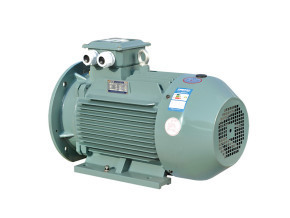
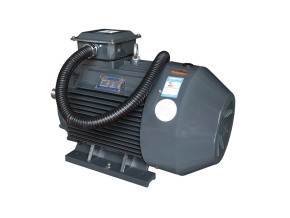
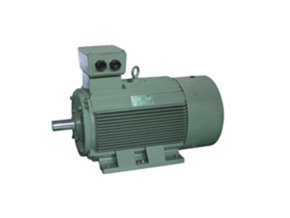
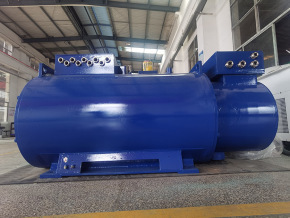
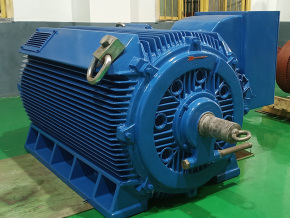
In recent years, the global manufacturing sector has been undergoing a significant transformation driven by energy efficiency targets and intelligent production demands. Among the key technologies enabling this shift, the Compact high-efficiency motor has emerged as a vital component in modern industrial systems. With its ability to deliver high performance in a reduced footprint, this type of motor is increasingly being adopted across diverse industries, including automation, transportation, and renewable energy.
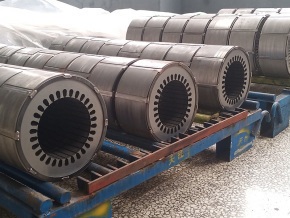
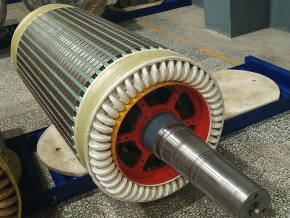
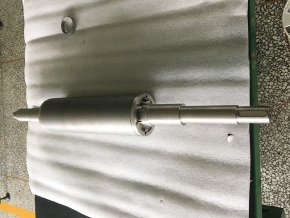
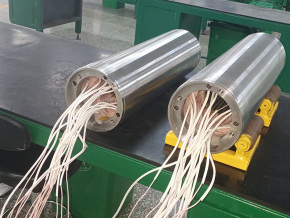
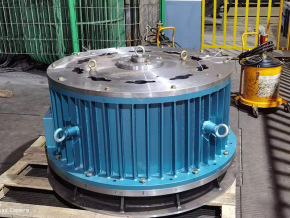
The Compact high-efficiency motor is specifically designed to optimize energy consumption while maintaining strong output and reliability. Compared to traditional motor systems, it features advanced electromagnetic design, improved thermal management, and high-quality materials that reduce energy loss during operation. This not only lowers electricity consumption but also minimizes heat generation, extending the service life of the equipment. As industries continue to prioritize sustainability, such motors play a crucial role in reducing carbon emissions and operational costs.
One of the most notable advantages of the Compact high-efficiency motor is its space-saving design. In modern production environments where equipment density is increasing, compact solutions are essential. These motors can be seamlessly integrated into tight spaces without compromising performance, making them ideal for robotics, conveyor systems, and precision machinery. Their lightweight structure also contributes to easier installation and maintenance, further enhancing operational efficiency.
Technological innovation has further enhanced the capabilities of the Compact high-efficiency motor. The integration of variable frequency control, intelligent monitoring systems, and digital interfaces allows for precise speed regulation and real-time performance tracking. These features enable predictive maintenance and reduce unexpected downtime, which is critical for high-demand industrial applications. In addition, improved insulation systems and noise reduction technologies ensure smoother and quieter operation, meeting the growing demand for environmentally friendly and worker-safe equipment.
The application scope of the Compact high-efficiency motor continues to expand. In the field of rail transit, it supports stable and efficient propulsion systems. In industrial automation, it powers high-speed production lines with precision and consistency. In renewable energy sectors such as wind and solar, it contributes to efficient energy conversion and system reliability. This versatility highlights its importance as a foundational technology in the transition toward smarter and greener industries.
Market demand for the Compact high-efficiency motor is expected to grow steadily in the coming years. Governments worldwide are implementing stricter energy efficiency regulations, encouraging enterprises to upgrade their equipment. At the same time, rising energy costs are pushing companies to invest in solutions that can deliver long-term savings. As a result, manufacturers are focusing on continuous innovation, developing motors with higher efficiency ratings, better durability, and enhanced adaptability.
Looking ahead, the Compact high-efficiency motor will remain at the forefront of industrial innovation. With the ongoing integration of smart manufacturing technologies such as the Industrial Internet of Things and artificial intelligence, these motors are set to become even more intelligent and efficient. Their ability to combine compact design with superior performance makes them an indispensable part of the future industrial landscape, supporting both economic growth and environmental sustainability.
recommend News

Wu Dejun: General Manager
Hu Pengbin: Marketing Director
Production site:
No.28, Huaiying Road, Gaoqiao Town, Changsha City, Hunan Province
Zip Code: 410145
Telephone:0731-86156236
ZhenHua Packing Machinery
Online consultation
Leave a message quickly and our experts will contact you
ZhenHua Packing Machinery

SAF Coolest v1.3.1.2 设置面板 GAGSD-ZGYF-JESSE-ZEA
无数据提示
Sorry, the current column is being updated, please look forward to it!
You can view other columns or returnHome Page