




Maximizing Output: Industrial Motors and Their Impact on Transportation Equipment
2026-04-06

Maximizing Output: Industrial Motors and Their Impact on Transportation Equipment
The world of transportation is constantly evolving, driven by the need for efficiency, speed, and reliability. At the heart of this evolution lies a critical component: **industrial motors**. These machines play a pivotal role in powering various types of transportation equipment, significantly impacting their performance and efficiency. In this article, we will delve deeply into the **impact of industrial motors on transportation equipment**, exploring their benefits, applications, and innovations in technology.
Table of Contents
1. What Are Industrial Motors?
2. Types of Industrial Motors Used in Transportation Equipment
3. The Importance of Industrial Motors in Transportation
4. Energy Efficiency and Cost Savings
5. Technological Advancements in Industrial Motors
6. Applications of Industrial Motors in Transportation Equipment
7. Future Trends in Industrial Motors and Transportation
8. Conclusion
9. Frequently Asked Questions
What Are Industrial Motors?
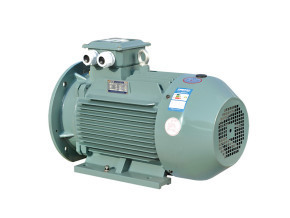
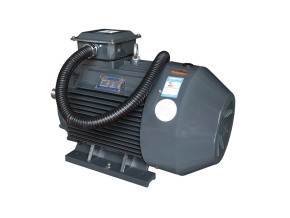
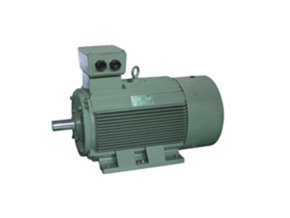
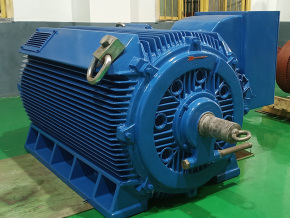
Industrial motors are electric machines designed to convert electrical energy into mechanical energy. They serve as the driving force behind a multitude of machinery and equipment, including those used in transportation. These motors vary in size, power output, and efficiency, catering to different operational needs.
Industrial motors can be classified into two main categories: **AC (Alternating Current)** and **DC (Direct Current)** motors. Each type has its advantages and specific applications, making them suitable for various transportation equipment.
Types of Industrial Motors Used in Transportation Equipment
AC Motors
AC motors are widely used in transportation equipment due to their high efficiency and reliability. They operate using alternating current and can be further divided into two categories:
- **Synchronous Motors**: These motors rotate at a speed that is synchronized with the frequency of the electrical supply. They are ideal for applications that require precise speed control.
- **Induction Motors**: Commonly used in various applications, induction motors are known for their robustness and simplicity. They are typically used in heavy-duty transportation equipment.
DC Motors
DC motors convert direct current into mechanical energy and are often found in smaller transportation devices. They offer advantages such as better torque control and the ability to operate at varying speeds.
The Importance of Industrial Motors in Transportation
Industrial motors play a vital role in enhancing the capabilities of transportation equipment. Here are some key reasons why they are indispensable:
- **Increased Efficiency**: Industrial motors improve operational efficiency by providing consistent power and torque, allowing vehicles to perform better under various conditions.
- **Enhanced Performance**: The performance of transportation equipment relies heavily on the quality of its motors. High-performance motors ensure faster acceleration and better handling.
- **Reliability**: Industrial motors are designed for durability and longevity. This reliability reduces downtime and maintenance costs, making them an essential component of any transportation system.
Energy Efficiency and Cost Savings
The growing emphasis on sustainability and cost-effectiveness in the transportation industry has led to an increased focus on energy-efficient industrial motors. These motors contribute to significant energy savings and reduced operational costs.
Energy Consumption
Energy-efficient industrial motors consume less power while delivering the same level of performance. This not only reduces electricity bills but also minimizes the carbon footprint of transportation operations.
Cost-Effectiveness
By investing in energy-efficient motors, companies can achieve substantial cost savings over time. Reduced energy consumption leads to lower operating expenses, allowing businesses to allocate resources more effectively.
Technological Advancements in Industrial Motors
The landscape of industrial motors is continually evolving, driven by technological advancements. These innovations enhance performance, efficiency, and versatility.
Smart Motors
The integration of smart technology has revolutionized industrial motors. Equipped with sensors and IoT capabilities, smart motors can monitor performance in real-time, predict maintenance needs, and optimize energy consumption.
Variable Frequency Drives (VFDs)
VFDs are used to control the speed and torque of industrial motors. They allow for precise adjustments that enhance energy efficiency and improve the overall performance of transportation equipment.
Applications of Industrial Motors in Transportation Equipment
Industrial motors find applications across various sectors of transportation, including:
Automotive Industry
In the automotive sector, industrial motors are used in electric and hybrid vehicles, providing power to the drivetrain and improving overall efficiency.
Trucking and Freight
Heavy-duty trucks and freight vehicles rely on robust industrial motors for optimal performance, ensuring they can handle large loads and challenging terrains.
Rail Transportation
Rail systems utilize industrial motors to drive locomotives and other rolling stock, enhancing speed and efficiency while ensuring reliability over long distances.
Aerospace and Aviation
In aerospace, industrial motors are critical for powering various systems within aircraft, from landing gear to auxiliary power units.
Future Trends in Industrial Motors and Transportation
As the transportation industry continues to evolve, several trends are shaping the future of industrial motors:
Electrification
The transition to electric vehicles is driving demand for advanced industrial motors. This shift is expected to lead to innovations in motor design and performance.
Increased Automation
Automation is becoming more prevalent in transportation, necessitating the development of industrial motors that can seamlessly integrate with automated systems.
Focus on Sustainability
The push for sustainable transportation solutions will prompt further advancements in energy-efficient motors, reducing environmental impact while enhancing performance.
Conclusion
Industrial motors are a cornerstone of modern transportation equipment, significantly impacting efficiency, performance, and sustainability. Understanding their importance, types, and applications provides valuable insights into how these motors drive the industry forward. As we embrace technological advancements and focus on energy efficiency, the role of industrial motors will only grow, shaping the future of transportation for years to come.
Frequently Asked Questions
1. What is the primary function of industrial motors in transportation equipment?
Industrial motors convert electrical energy into mechanical energy, powering various transportation equipment such as vehicles, trains, and aircraft.
2. What types of industrial motors are most commonly used in the transportation sector?
Both AC (Alternating Current) and DC (Direct Current) motors are used, with AC motors being more prevalent in heavy-duty applications due to their efficiency and reliability.
3. How do industrial motors contribute to energy efficiency in transportation?
Energy-efficient industrial motors consume less power while maintaining performance, leading to lower operational costs and reduced environmental impact.
4. What are some recent technological advancements in industrial motors?
Innovations include smart motors with IoT capabilities and Variable Frequency Drives (VFDs) that optimize performance and energy consumption.
5. How can businesses benefit from investing in energy-efficient industrial motors?
Investing in energy-efficient motors can lead to substantial cost savings, reduced maintenance, and a smaller carbon footprint, enhancing overall business sustainability.
Previous Page:
recommend News

Wu Dejun: General Manager
Hu Pengbin: Marketing Director
Production site:
No.28, Huaiying Road, Gaoqiao Town, Changsha City, Hunan Province
Zip Code: 410145
Telephone:0731-86156236
ZhenHua Packing Machinery
Online consultation
Leave a message quickly and our experts will contact you
ZhenHua Packing Machinery
Business License

SAF Coolest v1.3.1.2 设置面板 GAGSD-ZGYF-JESSE-ZEA
无数据提示
Sorry, the current column is being updated, please look forward to it!
You can view other columns or returnHome Page