




Unlocking the Power of High-Efficiency Motors in Transportation
2026-04-04

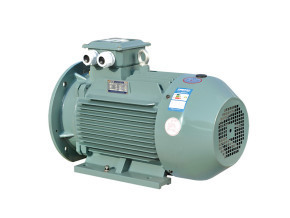
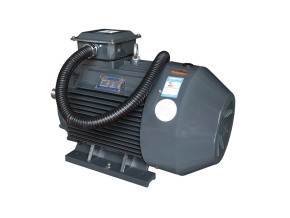
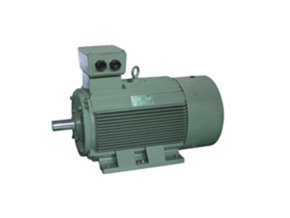
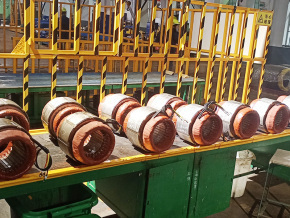
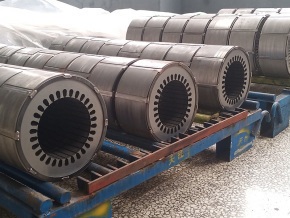
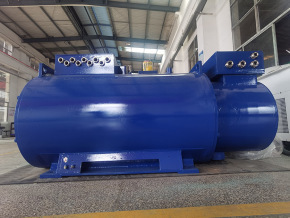
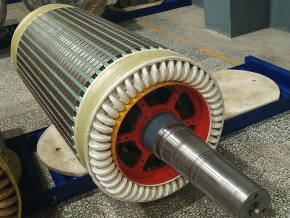
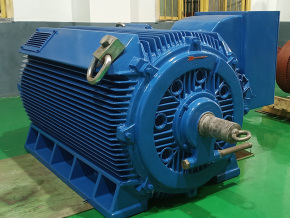
High-efficiency motors are becoming increasingly vital in the transportation sector, especially within the realm of various transportation devices and components. These motors are designed to operate with minimal energy loss, thus maximizing performance while reducing operational costs. A high-efficiency motor typically achieves this by utilizing advanced materials, optimized designs, and innovative engineering techniques.
One of the key advantages of high-efficiency motors is their ability to significantly reduce energy consumption. In an industry where energy costs can be a substantial portion of overall operational expenses, adopting these motors can lead to considerable savings. High-efficiency motors convert electrical energy into mechanical energy more effectively than standard motors, which can translate to reduced fuel consumption in transportation applications, such as electric vehicles, hybrid systems, and various transport equipment.
Another critical aspect of high-efficiency motors is their impact on the environment. By consuming less energy, these motors contribute to lower greenhouse gas emissions, aligning with the global push towards sustainability. As regulations become stricter regarding emissions, the adoption of such motors in transportation devices can help companies comply with environmental standards while also appealing to eco-conscious consumers.
Moreover, high-efficiency motors often come with enhanced performance characteristics. They provide better torque and speed control, which can be crucial for various applications in transportation. For instance, in electric buses or freight transport systems, these motors can facilitate smoother operations and quicker response times, improving overall efficiency and reliability.
In addition to performance and environmental benefits, high-efficiency motors are often more durable and require less maintenance. Their design typically incorporates features that reduce wear and tear, leading to longer lifespans and lower total cost of ownership. This reliability is particularly important in transportation applications where equipment downtime can incur significant costs.
As the transportation industry continues to evolve with advancements in technology, the role of high-efficiency motors is set to expand even further. Future innovations may include smart motor technologies that integrate with IoT systems for real-time monitoring and performance optimization. This connectivity can enhance efficiency, predictive maintenance, and overall system performance.
In conclusion, high-efficiency motors are a cornerstone of modern transportation technology. Their benefits extend beyond mere energy savings; they play a pivotal role in enhancing performance, reducing environmental impact, and ensuring reliability in various transport devices and components. As the industry moves forward, embracing high-efficiency motors will be essential for companies aiming to stay competitive and environmentally conscious.
One of the key advantages of high-efficiency motors is their ability to significantly reduce energy consumption. In an industry where energy costs can be a substantial portion of overall operational expenses, adopting these motors can lead to considerable savings. High-efficiency motors convert electrical energy into mechanical energy more effectively than standard motors, which can translate to reduced fuel consumption in transportation applications, such as electric vehicles, hybrid systems, and various transport equipment.
Another critical aspect of high-efficiency motors is their impact on the environment. By consuming less energy, these motors contribute to lower greenhouse gas emissions, aligning with the global push towards sustainability. As regulations become stricter regarding emissions, the adoption of such motors in transportation devices can help companies comply with environmental standards while also appealing to eco-conscious consumers.
Moreover, high-efficiency motors often come with enhanced performance characteristics. They provide better torque and speed control, which can be crucial for various applications in transportation. For instance, in electric buses or freight transport systems, these motors can facilitate smoother operations and quicker response times, improving overall efficiency and reliability.
In addition to performance and environmental benefits, high-efficiency motors are often more durable and require less maintenance. Their design typically incorporates features that reduce wear and tear, leading to longer lifespans and lower total cost of ownership. This reliability is particularly important in transportation applications where equipment downtime can incur significant costs.
As the transportation industry continues to evolve with advancements in technology, the role of high-efficiency motors is set to expand even further. Future innovations may include smart motor technologies that integrate with IoT systems for real-time monitoring and performance optimization. This connectivity can enhance efficiency, predictive maintenance, and overall system performance.
In conclusion, high-efficiency motors are a cornerstone of modern transportation technology. Their benefits extend beyond mere energy savings; they play a pivotal role in enhancing performance, reducing environmental impact, and ensuring reliability in various transport devices and components. As the industry moves forward, embracing high-efficiency motors will be essential for companies aiming to stay competitive and environmentally conscious.
recommend News

Wu Dejun: General Manager
Hu Pengbin: Marketing Director
Production site:
No.28, Huaiying Road, Gaoqiao Town, Changsha City, Hunan Province
Zip Code: 410145
Telephone:0731-86156236
ZhenHua Packing Machinery
Online consultation
Leave a message quickly and our experts will contact you
ZhenHua Packing Machinery
Business License

SAF Coolest v1.3.1.2 设置面板 GAGSD-ZGYF-JESSE-ZEA
无数据提示
Sorry, the current column is being updated, please look forward to it!
You can view other columns or returnHome Page