




The Future of Transportation: Medium-Voltage DC Motors Explained
2026-04-02

The Future of Transportation: Medium-Voltage DC Motors Explained
Table of Contents
- Introduction to Medium-Voltage DC Motors
- Understanding Medium-Voltage DC Motors
- Applications of Medium-Voltage DC Motors in Transportation
- Advantages of Medium-Voltage DC Motors
- Challenges and Limitations
- Future Trends in Medium-Voltage DC Motor Technology
- Conclusion
- FAQs
Introduction to Medium-Voltage DC Motors
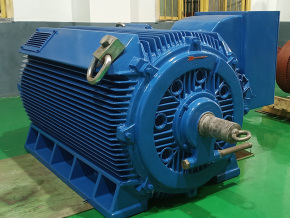
In recent years, the transportation sector has undergone a profound transformation, driven by technological advancements and a growing emphasis on sustainability. At the forefront of this revolution are **medium-voltage DC motors**, which are becoming increasingly critical in a variety of transportation applications. These motors, designed to operate within a voltage range of 1 kV to 10 kV, offer a unique combination of efficiency, power, and versatility, making them an ideal choice for modern transportation systems.
As we delve deeper into this intriguing topic, we will explore how medium-voltage DC motors work, their applications in different modes of transportation, their advantages over traditional motors, the challenges they face, and the future trends shaping their development.
Understanding Medium-Voltage DC Motors
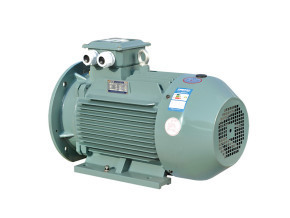
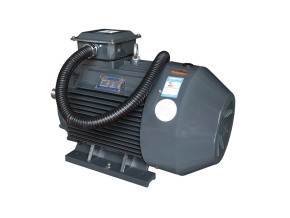
Medium-voltage DC motors are electric motors that utilize direct current (DC) to generate rotary motion. Unlike low-voltage motors, medium-voltage motors are designed for higher power applications, allowing them to deliver more torque and speed.
How Medium-Voltage DC Motors Operate
These motors function through the interaction of magnetic fields generated by the motor's windings and the stator. When an electric current flows through the motor windings, it creates a magnetic field that interacts with the rotor, causing it to turn. The unique design of medium-voltage DC motors enables them to achieve high performance and efficiency, especially in demanding applications.
Key Components of Medium-Voltage DC Motors
Several essential components comprise medium-voltage DC motors:
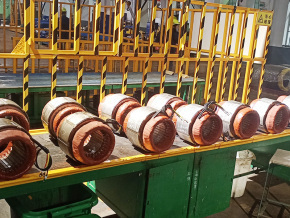
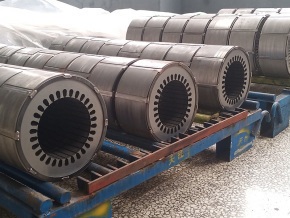
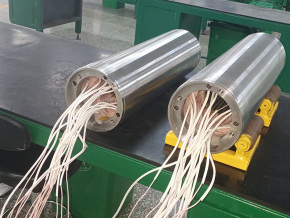
1. **Stator**: The stationary part of the motor housing the windings that create magnetic fields.
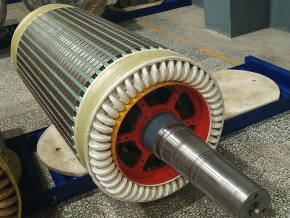
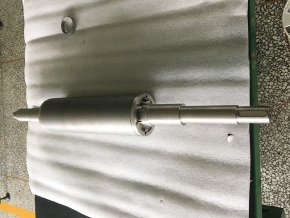
2. **Rotor**: The rotating component that is driven by the magnetic fields produced by the stator.
3. **Commutator**: A mechanical switch that reverses the direction of current flow in the motor windings, ensuring continuous rotation.
4. **Brushes**: Conductive materials that maintain electrical contact with the commutator, facilitating current flow to the windings.
Applications of Medium-Voltage DC Motors in Transportation
Medium-voltage DC motors are versatile and can be found in various transportation applications, enhancing performance while contributing to sustainable practices.
Electric Vehicles
The electric vehicle (EV) market has witnessed tremendous growth in recent years. Medium-voltage DC motors are increasingly used in electric drivetrains, providing the necessary power and torque to propel vehicles efficiently. Their ability to operate at higher voltages allows for lighter wiring and components, which contributes to increased vehicle range and performance.
Public Transport Systems
Public transportation systems, including buses and trams, are also benefiting from medium-voltage DC motors. These motors can drive larger vehicles, offering enhanced acceleration and energy efficiency compared to traditional internal combustion engines. As cities strive for greener alternatives, medium-voltage DC motors become essential for reducing emissions and improving urban air quality.
Rail Transport
Rail systems are increasingly adopting medium-voltage DC motors for traction applications. Electric trains utilizing these motors can achieve greater efficiency and lower operational costs compared to diesel counterparts. The regenerative braking capabilities of medium-voltage DC motors also allow trains to recover energy during braking, further optimizing energy use.
Advantages of Medium-Voltage DC Motors
The adoption of medium-voltage DC motors in transportation comes with several advantages:
1. **High Efficiency**: Medium-voltage DC motors operate at higher efficiencies, contributing to reduced energy consumption and operational costs.
2. **Reduced Weight**: These motors can achieve equivalent power levels with less weight, improving vehicle performance and range.
3. **Compact Design**: The smaller footprint of medium-voltage DC motors allows for more flexible design options in vehicles and transport systems.
4. **Lower Maintenance**: With fewer mechanical components compared to traditional motors, medium-voltage DC motors often require less maintenance, reducing downtime and operational costs.
5. **Environmental Benefits**: By facilitating the transition to electric and hybrid transportation solutions, medium-voltage DC motors contribute significantly to reducing greenhouse gas emissions.
Challenges and Limitations
While the advantages of medium-voltage DC motors are compelling, there are challenges that need addressing:
1. **Cost**: The initial investment for medium-voltage DC motors can be higher than traditional systems, which may deter some organizations from adopting them.
2. **Complexity**: Designing and integrating these motors into existing systems can be complex, requiring specialized knowledge and expertise.
3. **Heat Management**: High-performance motors generate significant heat, necessitating advanced cooling solutions to maintain efficiency and longevity.
Future Trends in Medium-Voltage DC Motor Technology
The future of medium-voltage DC motors in transportation looks promising, driven by several emerging trends:
1. **Increased Research and Development**: Ongoing research in materials and motor design is likely to enhance the efficiency and performance of medium-voltage DC motors.
2. **Integration with Smart Technologies**: As the transportation industry moves towards smart systems, medium-voltage DC motors will be integrated with IoT devices for better monitoring and control.
3. **Sustainability Initiatives**: The global push towards sustainability will lead to greater investment in medium-voltage DC motors, particularly in electric and hybrid vehicles.
4. **Advancements in Battery Technology**: As battery technology evolves, medium-voltage DC motors will leverage these advancements to improve performance and range in electric vehicles.
Conclusion
Medium-voltage DC motors are poised to play a pivotal role in the future of transportation, offering a blend of efficiency, performance, and sustainability. Their applications across electric vehicles, public transport systems, and rail transport demonstrate their versatility and potential for revolutionizing the way we move. As technology continues to advance and society embraces greener alternatives, medium-voltage DC motors will undoubtedly become a cornerstone in the quest for a more sustainable transportation landscape.
FAQs
1. What are medium-voltage DC motors?
Medium-voltage DC motors are electric motors designed to operate within a voltage range of 1 kV to 10 kV, providing high efficiency and power for various applications.
2. How do medium-voltage DC motors differ from low-voltage motors?
Medium-voltage DC motors operate at higher voltages, allowing for greater power delivery, reduced weight, and improved efficiency compared to low-voltage motors.
3. What are the primary applications of medium-voltage DC motors in transportation?
They are primarily used in electric vehicles, public transport systems, and rail transport, enhancing performance and contributing to sustainability.
4. What advantages do medium-voltage DC motors offer?
Key advantages include high efficiency, reduced weight, compact design, lower maintenance requirements, and environmental benefits.
5. What challenges do medium-voltage DC motors face?
Challenges include higher initial costs, integration complexity, and heat management issues that need to be addressed to optimize their performance.
recommend News

Wu Dejun: General Manager
Hu Pengbin: Marketing Director
Production site:
No.28, Huaiying Road, Gaoqiao Town, Changsha City, Hunan Province
Zip Code: 410145
Telephone:0731-86156236
ZhenHua Packing Machinery
Online consultation
Leave a message quickly and our experts will contact you
ZhenHua Packing Machinery
Business License

SAF Coolest v1.3.1.2 设置面板 GAGSD-ZGYF-JESSE-ZEA
无数据提示
Sorry, the current column is being updated, please look forward to it!
You can view other columns or returnHome Page