




The Importance of Rail Transit Motors in Modern Transportation Systems
2026-03-27

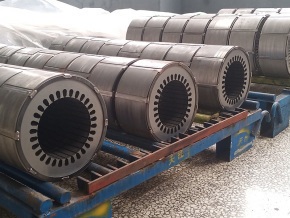
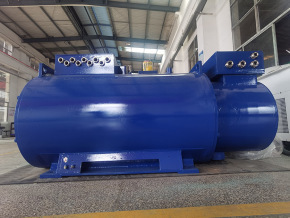
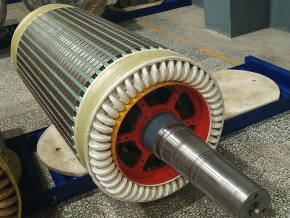
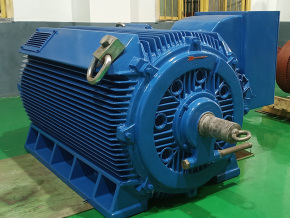
Rail transit motors are pivotal components in the evolution of efficient transportation systems. They serve as the backbone for various rail systems, including subways, light rail, and commuter trains, directly influencing their operational efficiency and performance. Understanding the functions and characteristics of these motors is essential for optimizing rail transit systems and ensuring a seamless travel experience for passengers.
One of the key functions of rail transit motors is to convert electrical energy into mechanical energy, enabling trains to move smoothly along the tracks. These motors are designed to provide high torque at low speeds, which is crucial for starting and stopping trains efficiently. This capability minimizes the wear and tear on tracks and wheels, ultimately extending the lifespan of both the rolling stock and the infrastructure.
Moreover, rail transit motors are engineered with advanced technologies that enhance their performance and reliability. For instance, many modern motors utilize permanent magnet synchronous technology, which improves energy efficiency compared to traditional induction motors. This not only reduces operational costs but also supports sustainability goals by lowering energy consumption and greenhouse gas emissions. Effective energy management is becoming increasingly important in the transportation sector, and rail transit motors play a significant role in this transition.
Another critical aspect of rail transit motors is their adaptability to various operational conditions. These motors are designed to withstand harsh environmental factors, such as temperature fluctuations, humidity, and dust. Their robust construction and advanced cooling systems ensure consistent performance even in challenging conditions, making them ideal for urban and intercity rail systems.
Furthermore, the integration of smart technologies into rail transit motors is paving the way for predictive maintenance. Sensors embedded within the motors can monitor performance metrics in real-time, allowing for timely interventions before potential failures occur. This proactive approach not only enhances safety but also reduces downtime, ensuring that rail services remain reliable and efficient.
In summary, rail transit motors are indispensable to modern transportation networks. Their ability to provide reliable performance, energy efficiency, and adaptability to various environments makes them a cornerstone of sustainable rail transit solutions. As the industry continues to innovate, rail transit motors will undoubtedly evolve, playing an even more significant role in shaping the future of transportation. Understanding these motors and their technical nuances is essential for anyone involved in the transportation sector, as they contribute to the overall effectiveness and safety of rail systems worldwide.
One of the key functions of rail transit motors is to convert electrical energy into mechanical energy, enabling trains to move smoothly along the tracks. These motors are designed to provide high torque at low speeds, which is crucial for starting and stopping trains efficiently. This capability minimizes the wear and tear on tracks and wheels, ultimately extending the lifespan of both the rolling stock and the infrastructure.
Moreover, rail transit motors are engineered with advanced technologies that enhance their performance and reliability. For instance, many modern motors utilize permanent magnet synchronous technology, which improves energy efficiency compared to traditional induction motors. This not only reduces operational costs but also supports sustainability goals by lowering energy consumption and greenhouse gas emissions. Effective energy management is becoming increasingly important in the transportation sector, and rail transit motors play a significant role in this transition.
Another critical aspect of rail transit motors is their adaptability to various operational conditions. These motors are designed to withstand harsh environmental factors, such as temperature fluctuations, humidity, and dust. Their robust construction and advanced cooling systems ensure consistent performance even in challenging conditions, making them ideal for urban and intercity rail systems.
Furthermore, the integration of smart technologies into rail transit motors is paving the way for predictive maintenance. Sensors embedded within the motors can monitor performance metrics in real-time, allowing for timely interventions before potential failures occur. This proactive approach not only enhances safety but also reduces downtime, ensuring that rail services remain reliable and efficient.
In summary, rail transit motors are indispensable to modern transportation networks. Their ability to provide reliable performance, energy efficiency, and adaptability to various environments makes them a cornerstone of sustainable rail transit solutions. As the industry continues to innovate, rail transit motors will undoubtedly evolve, playing an even more significant role in shaping the future of transportation. Understanding these motors and their technical nuances is essential for anyone involved in the transportation sector, as they contribute to the overall effectiveness and safety of rail systems worldwide.
recommend News

Wu Dejun: General Manager
Hu Pengbin: Marketing Director
Production site:
No.28, Huaiying Road, Gaoqiao Town, Changsha City, Hunan Province
Zip Code: 410145
Telephone:0731-86156236
ZhenHua Packing Machinery
Online consultation
Leave a message quickly and our experts will contact you
ZhenHua Packing Machinery
Business License

SAF Coolest v1.3.1.2 设置面板 GAGSD-ZGYF-JESSE-ZEA
无数据提示
Sorry, the current column is being updated, please look forward to it!
You can view other columns or returnHome Page