




Why Permanent Magnet Motors Are Essential for the Future of Transport Equipment
2026-03-29

Why Permanent Magnet Motors Are Essential for the Future of Transport Equipment
Table of Contents
- 1. Introduction to Permanent Magnet Motors
- 2. Understanding Permanent Magnet Motors: An Overview
- 3. Advantages of Permanent Magnet Motors in Transport Equipment
- 4. Applications of Permanent Magnet Motors in Transport Equipment
- 5. Sustainability and Energy Efficiency with PM Motors
- 6. Future Trends in Transport Technology
- 7. Challenges in Implementing Permanent Magnet Motors
- 8. Conclusion
- 9. Frequently Asked Questions (FAQs)
1. Introduction to Permanent Magnet Motors
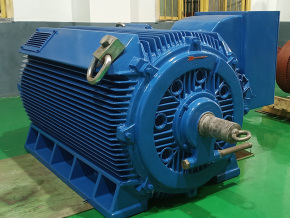
In an era where efficiency and sustainability are paramount, **permanent magnet motors** (PM motors) have emerged as a revolutionary technology in the transport equipment sector. These motors leverage the power of magnetic fields created by permanent magnets, significantly enhancing performance while minimizing energy consumption. As the world moves towards greener alternatives, understanding the role of PM motors is crucial for stakeholders in the transport industry.
2. Understanding Permanent Magnet Motors: An Overview
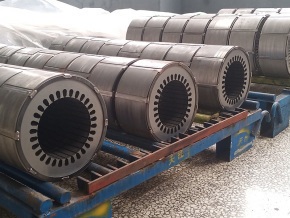
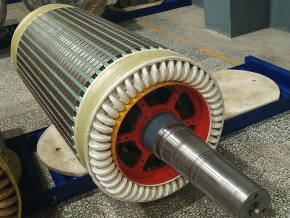
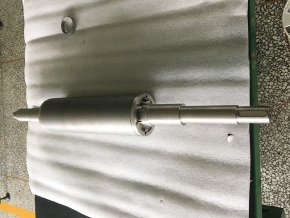
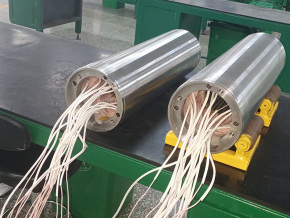
Permanent magnet motors are electric motors that utilize **permanent magnets** to create a magnetic field. Unlike traditional motors, which rely on electromagnets, PM motors offer a more compact design and improved efficiency. The fundamental working principle involves the interaction between the magnetic field of the rotor (equipped with permanent magnets) and the stator, which generates rotational motion.
These motors can be categorized into various types, including:
2.1 Types of Permanent Magnet Motors
- **Brushless DC Motors (BLDC)**: These motors are ideal for applications requiring high efficiency and reliability.
- **Permanent Magnet Synchronous Motors (PMSM)**: They offer excellent torque characteristics and are widely used in electric vehicles.
- **Switched Reluctance Motors (SRM)**: Known for their robustness, these motors can operate in harsh environments.
3. Advantages of Permanent Magnet Motors in Transport Equipment
The adoption of permanent magnet motors in transport equipment comes with several advantages:
3.1 Enhanced Efficiency and Performance
PM motors operate with higher efficiency levels compared to traditional motors. Their design reduces energy losses, translating to better performance and lower operational costs. This efficiency is particularly beneficial for **electric vehicles** (EVs) and hybrid systems.
3.2 Compact Size and Reduced Weight
The absence of windings in the rotor makes PM motors lighter and more compact. This attribute is crucial for transport equipment, where reducing weight can lead to improved fuel efficiency and increased payload capacity.
3.3 Low Maintenance Requirements
With fewer moving parts and no brushes to wear out, PM motors require less maintenance. This reliability is essential for transport vehicles that operate under demanding conditions.
3.4 Lower Noise and Vibration Levels
Permanent magnet motors operate quietly, contributing to a more pleasant transportation experience. Reduced vibration also enhances the lifespan of both the motor and the overall transport system.
4. Applications of Permanent Magnet Motors in Transport Equipment
The versatility of permanent magnet motors allows for their application in various transport equipment, including:
4.1 Electric Vehicles (EVs)
PM motors are at the heart of most electric vehicle designs, providing the necessary torque and efficiency to propel vehicles while maintaining a compact size.
4.2 Rail Transport
In rail transport, PM motors are used in electric trains and trams, enhancing efficiency and reducing energy consumption across the network.
4.3 Marine Applications
Many modern vessels utilize PM motors for propulsion, offering a quieter and more efficient alternative to traditional marine engines.
4.4 Aircraft Systems
In aviation, permanent magnet motors are being employed in various systems, from auxiliary power units to electric propulsion in hybrid aircraft, contributing to overall energy savings and emissions reduction.
5. Sustainability and Energy Efficiency with PM Motors
As the transport industry faces increasing pressure to reduce its carbon footprint, the role of permanent magnet motors becomes even more critical. Their high efficiency directly correlates to lower energy consumption, which in turn reduces greenhouse gas emissions.
5.1 Renewable Energy Integration
PM motors can be seamlessly integrated with renewable energy sources, such as solar and wind power, further enhancing the sustainability of transport systems. This integration not only promotes green energy use but also supports grid stability.
5.2 Supporting Government Initiatives
Many governments worldwide are implementing policies to promote electric and hybrid vehicles. The efficiency and sustainability offered by PM motors align perfectly with these initiatives, making them a key component of future transport regulations.
6. Future Trends in Transport Technology
The future of transport technology is poised for exciting developments, and permanent magnet motors will be at the forefront of these innovations.
6.1 Advancements in Motor Design
Ongoing research aims to enhance the performance of PM motors further, focusing on improving materials, reducing costs, and increasing operational life.
6.2 Increased Adoption of Autonomous Vehicles
As autonomous vehicle technology advances, the need for efficient and reliable motors will grow. PM motors, with their high performance and low maintenance characteristics, will play a vital role in this transition.
6.3 Greater Focus on Energy Recovery Systems
Future transport systems will increasingly focus on energy recovery and management. PM motors can be integrated into regenerative braking systems, capturing energy during braking and reusing it to improve overall system efficiency.
7. Challenges in Implementing Permanent Magnet Motors
Despite their numerous advantages, the widespread adoption of permanent magnet motors in transport equipment faces several challenges.
7.1 Cost Considerations
The initial investment for PM motors can be higher than traditional motor systems due to the cost of materials, particularly rare earth elements used in the magnets. This financial barrier can hinder adoption, especially in cost-sensitive markets.
7.2 Supply Chain Concerns
The sourcing of rare earth materials is subject to geopolitical and economic fluctuations, posing risks to the stability of production and supply chains for PM motors. Developing alternative materials or recycling methods is essential for future viability.
7.3 Technical Integration
Integrating PM motors into existing transport systems can require significant technological adaptation. Ensuring compatibility with legacy systems and addressing power electronics challenges will be crucial for successful implementation.
8. Conclusion
Permanent magnet motors represent a pivotal advancement in the transport equipment industry. Their efficiency, compactness, and low maintenance requirements make them indispensable as we transition to a more sustainable transport future. As we face challenges in implementation, continued innovation and adaptation will allow for the harnessing of their full potential. The integration of PM motors into various transport applications not only supports efficiency and sustainability but also helps meet the increasing demands of modern transportation.
9. Frequently Asked Questions (FAQs)
FAQ 1: What are permanent magnet motors?
Permanent magnet motors are electric motors that use permanent magnets to generate a magnetic field, providing efficient and high-performance operation.
FAQ 2: What are the benefits of using PM motors in transport equipment?
The benefits include enhanced efficiency, lower maintenance requirements, reduced weight, and quieter operation.
FAQ 3: Where are permanent magnet motors commonly used?
They are commonly used in electric vehicles, rail transport, marine applications, and aviation systems.
FAQ 4: Are there challenges to implementing permanent magnet motors?
Yes, challenges include cost considerations, supply chain concerns regarding rare earth materials, and technical integration with existing systems.
FAQ 5: How do PM motors contribute to sustainability?
PM motors enhance energy efficiency, reduce greenhouse gas emissions, and can be integrated with renewable energy sources, contributing to more sustainable transport solutions.
recommend News

Wu Dejun: General Manager
Hu Pengbin: Marketing Director
Production site:
No.28, Huaiying Road, Gaoqiao Town, Changsha City, Hunan Province
Zip Code: 410145
Telephone:0731-86156236
ZhenHua Packing Machinery
Online consultation
Leave a message quickly and our experts will contact you
ZhenHua Packing Machinery
Business License

SAF Coolest v1.3.1.2 设置面板 GAGSD-ZGYF-JESSE-ZEA
无数据提示
Sorry, the current column is being updated, please look forward to it!
You can view other columns or returnHome Page