




Maximizing Performance: The Critical Role of Subway Motors in Train Operations
2026-03-25

Maximizing Performance: The Critical Role of Subway Motors in Train Operations
Table of Contents
- Introduction to Subway Motors and Train Operations
- The Importance of Subway Motors in Modern Transport
- Types of Subway Motors: An Overview
- How Subway Motors Function: A Technical Insight
- Maximizing Performance: Key Factors
- Innovations in Subway Motor Technology
- Safety Considerations in Subway Motor Design
- The Future of Subway Motors in Train Operations
- Frequently Asked Questions (FAQs)
- Conclusion: The Future of Subway Motors
Introduction to Subway Motors and Train Operations
Subway systems are a critical component of urban transit, providing efficient and rapid transportation to millions of commuters worldwide. At the heart of these systems lie the subway motors, which play an indispensable role in train operations. Understanding subway motors and their functionalities is essential to grasp how they contribute to overall system efficiency and reliability.
The Importance of Subway Motors in Modern Transport
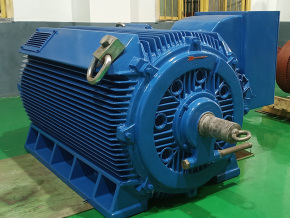
Subway motors are responsible for the propulsion and control of trains. Their performance directly affects the speed, acceleration, and braking capabilities of subway systems. As metropolitan areas expand and ridership grows, the demand for efficient and reliable transport solutions has never been higher. Subway motors are vital in meeting these demands, providing a foundation for the operational success of transit networks.
The Role of Subway Motors in Efficiency
Subway motors enhance energy efficiency, ensuring that trains consume only the necessary power for operation. This efficiency translates into reduced operational costs and a lower environmental footprint. By optimizing energy use, subway motors contribute to sustainable urban transportation solutions.
Types of Subway Motors: An Overview
There are primarily two types of subway motors used in modern train systems: **AC (Alternating Current) motors** and **DC (Direct Current) motors**. Each type has unique characteristics suited for different operational needs.
AC Motors
AC motors are widely used in contemporary subway systems due to their higher efficiency and longevity. They allow for smoother acceleration and deceleration, enhancing passenger comfort. Additionally, AC motors can easily be integrated with regenerative braking systems, which recover energy during braking and feed it back into the power grid.
DC Motors
While less common in new installations, DC motors still play a role in many legacy subway systems. They are characterized by their simplicity and ease of maintenance. However, they generally offer lower efficiency compared to AC motors and require more frequent maintenance.
How Subway Motors Function: A Technical Insight
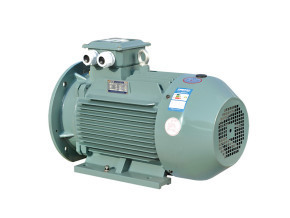
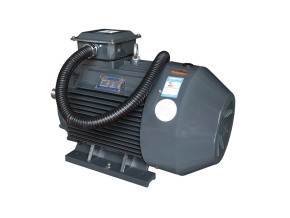
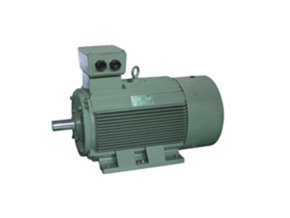
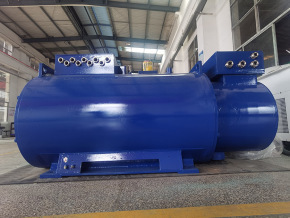
Understanding the functionality of subway motors requires a closer look at their components and operation principles. Subway motors convert electrical energy into mechanical energy, allowing trains to move along tracks.
Components of Subway Motors
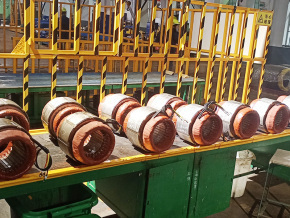
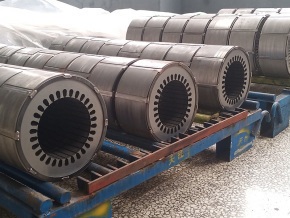
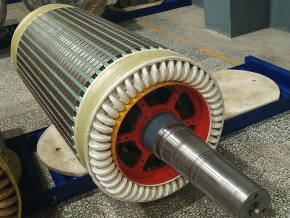
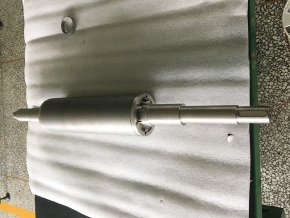
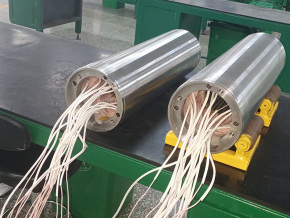
Key components of subway motors include rotors, stators, and power electronics. The rotor rotates within the magnetic field generated by the stator, producing torque. Power electronics manage the motor's speed and direction, ensuring that trains can accelerate, maintain speed, or slow down as needed.
Control Systems
Advanced control systems play a crucial role in the optimal functioning of subway motors. These systems use sensors and feedback mechanisms to monitor performance, allowing for real-time adjustments to motor operation. Such responsiveness enhances the safety and comfort of train travel.
Maximizing Performance: Key Factors
Several factors contribute to the overall performance of subway motors. By focusing on these aspects, transit authorities can ensure their systems are efficient, reliable, and capable of handling increased ridership demands.
Energy Efficiency
Energy efficiency is paramount in subway operations. Innovative design and technology in subway motors allow for effective energy use, which is crucial for reducing operational costs and environmental impact.
Reliability and Durability
Reliability is essential for maintaining schedules and ensuring passenger safety. Subway motors must withstand harsh operating conditions, including temperature fluctuations, moisture, and dirt. Advanced materials and engineering practices enhance the durability of these motors.
Maintenance and Upkeep
A well-planned maintenance schedule is vital for ensuring optimal performance. Predictive maintenance technologies can help identify potential issues before they lead to failures, allowing transit authorities to address problems proactively.
Innovations in Subway Motor Technology
The subway motor industry is rapidly evolving, with innovations aimed at improving performance, efficiency, and sustainability.
Regenerative Braking Technologies
Regenerative braking systems are a significant advancement in subway motor technology. These systems capture energy during braking, converting it into electricity that can be reused by the train or fed back into the power grid, thus enhancing energy efficiency.
Smart Motors and IoT Integration
The integration of Internet of Things (IoT) technologies into subway motors allows for advanced monitoring and control. Smart motors equipped with sensors can transmit data on performance and conditions, facilitating real-time analysis and decision-making.
Safety Considerations in Subway Motor Design
Safety is a paramount concern in subway operations. Subway motors must be designed with multiple safety features to prevent accidents and failures.
Redundant Systems
Incorporating redundant systems within subway motors ensures that if one component fails, backup systems can take over, maintaining operational integrity. This redundancy is crucial for passenger safety and operational reliability.
Emergency Protocols
Subway motors are equipped with emergency protocols that can activate in case of failure. These protocols include automatic braking systems and fail-safe mechanisms that help bring the train to a safe stop, minimizing risks to passengers and crew.
The Future of Subway Motors in Train Operations
As urban populations continue to grow, the future of subway motors will be shaped by the need for smarter, more efficient transport solutions. Innovations in technology, including electrification and energy storage solutions, are poised to redefine subway operations.
Electric and Hybrid Motors
The transition towards electric and hybrid subway motors is gaining momentum. These technologies promise not only to improve efficiency and reduce emissions but also to enhance the overall performance of subway systems.
Enhanced Automation
Automation will play a critical role in the future of subway operations. Enhanced automation systems can optimize train schedules, reduce wait times, and improve overall operational efficiency, leading to a more user-friendly experience for passengers.
Frequently Asked Questions (FAQs)
What is the main function of subway motors?
Subway motors are responsible for propelling trains along tracks, controlling acceleration, speed, and braking.
How do AC and DC subway motors differ?
AC motors offer higher efficiency and smoother operation, while DC motors are simpler and easier to maintain but generally less efficient.
What is regenerative braking?
Regenerative braking is a technology that captures energy during braking, converting it into electricity that can be reused, enhancing energy efficiency.
What safety features are included in subway motors?
Subway motors are designed with redundant systems and emergency protocols to ensure safe operation and prevent accidents.
How do innovations in subway motor technology impact performance?
Innovations such as IoT integration and advanced control systems enhance performance by enabling real-time monitoring and optimizing energy use.
Conclusion: The Future of Subway Motors
Subway motors are the backbone of urban transit systems, playing a critical role in the efficiency and reliability of train operations. As technology continues to advance, so will the capabilities of subway motors, leading to improved performance, safety, and sustainability. By embracing these innovations, transit authorities can ensure that subway systems remain an essential and effective means of transportation for future generations.
recommend News

Wu Dejun: General Manager
Hu Pengbin: Marketing Director
Production site:
No.28, Huaiying Road, Gaoqiao Town, Changsha City, Hunan Province
Zip Code: 410145
Telephone:0731-86156236
ZhenHua Packing Machinery
Online consultation
Leave a message quickly and our experts will contact you
ZhenHua Packing Machinery
Business License

SAF Coolest v1.3.1.2 设置面板 GAGSD-ZGYF-JESSE-ZEA
无数据提示
Sorry, the current column is being updated, please look forward to it!
You can view other columns or returnHome Page