




Understanding Industrial Motors: Key Components and Applications in Transportation
2026-03-23

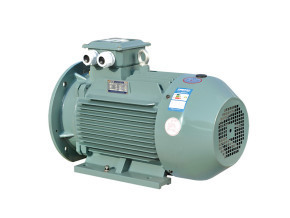
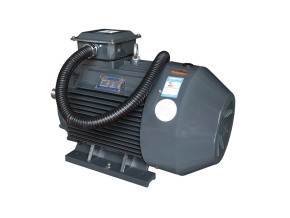
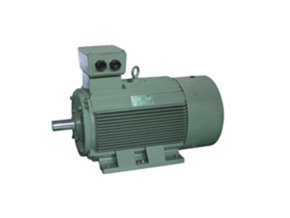
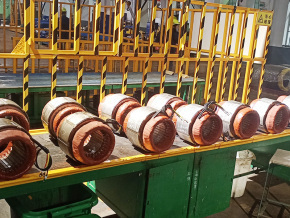
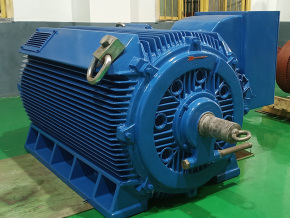
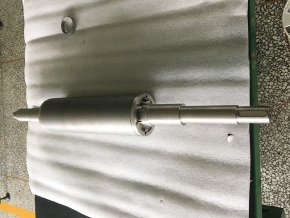
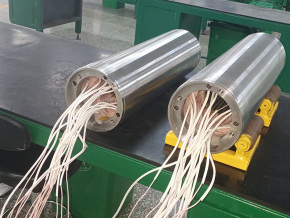
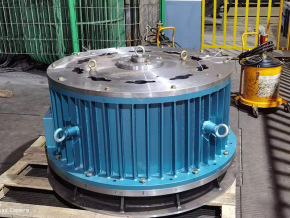
Industrial motors are essential components in various applications across the transportation industry, particularly in other transportation equipment and components. These motors are designed to convert electrical energy into mechanical energy, enabling a multitude of functions ranging from propulsion to automation in transportation systems. Understanding the intricacies of industrial motors can significantly enhance operational efficiency and reliability in your equipment.
One of the primary types of industrial motors used in transportation applications is the AC (Alternating Current) motor. AC motors are favored for their robustness and efficiency in handling heavy loads. They can operate continuously for extended periods, making them ideal for applications such as conveyor systems, pumps, and fans in transport facilities. Additionally, they require minimal maintenance and provide consistent performance, which are vital attributes for transportation operations.
Another prevalent type is the DC (Direct Current) motor. Known for their precise speed control and high starting torque, DC motors are often utilized in applications where variable speed is crucial, such as in electric vehicles, cranes, and other transportation devices. They allow for smooth acceleration and deceleration, enhancing the overall performance of the equipment in which they are installed.
Industrial motors also vary in design and construction based on their specific applications. For instance, some motors are designed for high torque output, which is essential for heavy-duty applications, while others may be optimized for high-speed operations. Choosing the right motor type and design is critical to ensuring that the transportation equipment operates efficiently and effectively.
In addition to the types of motors, understanding motor control systems is equally important. Advanced technology enables the integration of variable frequency drives (VFDs) with industrial motors, allowing for optimized speed and torque control. This integration leads to enhanced energy efficiency, reduced operational costs, and improved overall performance in transportation systems.
Moreover, the selection of the right industrial motor should also consider environmental factors. For example, motors installed in outdoor or harsh environments may require additional protection against dust, moisture, and temperature variations. Utilizing motors with appropriate enclosures and cooling systems can prevent premature failure and ensure longevity.
In summary, industrial motors play a vital role in the transportation sector, driving various equipment and systems to function efficiently. By understanding the different types, designs, and control mechanisms, stakeholders in the transportation industry can make informed decisions that enhance productivity and reliability. Investing in the right industrial motor not only improves operational efficiency but also contributes to the overall success of transportation operations.
One of the primary types of industrial motors used in transportation applications is the AC (Alternating Current) motor. AC motors are favored for their robustness and efficiency in handling heavy loads. They can operate continuously for extended periods, making them ideal for applications such as conveyor systems, pumps, and fans in transport facilities. Additionally, they require minimal maintenance and provide consistent performance, which are vital attributes for transportation operations.
Another prevalent type is the DC (Direct Current) motor. Known for their precise speed control and high starting torque, DC motors are often utilized in applications where variable speed is crucial, such as in electric vehicles, cranes, and other transportation devices. They allow for smooth acceleration and deceleration, enhancing the overall performance of the equipment in which they are installed.
Industrial motors also vary in design and construction based on their specific applications. For instance, some motors are designed for high torque output, which is essential for heavy-duty applications, while others may be optimized for high-speed operations. Choosing the right motor type and design is critical to ensuring that the transportation equipment operates efficiently and effectively.
In addition to the types of motors, understanding motor control systems is equally important. Advanced technology enables the integration of variable frequency drives (VFDs) with industrial motors, allowing for optimized speed and torque control. This integration leads to enhanced energy efficiency, reduced operational costs, and improved overall performance in transportation systems.
Moreover, the selection of the right industrial motor should also consider environmental factors. For example, motors installed in outdoor or harsh environments may require additional protection against dust, moisture, and temperature variations. Utilizing motors with appropriate enclosures and cooling systems can prevent premature failure and ensure longevity.
In summary, industrial motors play a vital role in the transportation sector, driving various equipment and systems to function efficiently. By understanding the different types, designs, and control mechanisms, stakeholders in the transportation industry can make informed decisions that enhance productivity and reliability. Investing in the right industrial motor not only improves operational efficiency but also contributes to the overall success of transportation operations.
recommend News

Wu Dejun: General Manager
Hu Pengbin: Marketing Director
Production site:
No.28, Huaiying Road, Gaoqiao Town, Changsha City, Hunan Province
Zip Code: 410145
Telephone:0731-86156236
ZhenHua Packing Machinery
Online consultation
Leave a message quickly and our experts will contact you
ZhenHua Packing Machinery
Business License

SAF Coolest v1.3.1.2 设置面板 GAGSD-ZGYF-JESSE-ZEA
无数据提示
Sorry, the current column is being updated, please look forward to it!
You can view other columns or returnHome Page