




High-Efficiency Motors: A Game Changer for Eco-Friendly Transport Solutions
2026-03-21

High-Efficiency Motors: A Game Changer for Eco-Friendly Transport Solutions
Table of Contents
- 1. Introduction to High-Efficiency Motors
- 2. Understanding High-Efficiency Motors
- 3. Environmental Impact of High-Efficiency Motors
- 4. Applications of High-Efficiency Motors in Transportation
- 5. Future Trends in High-Efficiency Motor Technology
- 6. Challenges in Implementing High-Efficiency Motors
- 7. Conclusion
- 8. Frequently Asked Questions
1. Introduction to High-Efficiency Motors
As the world grapples with climate change and the need for sustainable practices, the transportation sector stands at a pivotal point. High-efficiency motors are emerging as a revolutionary solution that can significantly lower energy consumption and reduce greenhouse gas emissions. These motors not only enhance the performance of various transportation modes but also contribute towards building a greener future.
In this article, we will explore the intricacies of high-efficiency motors, their benefits, applications, and future trends, delving into how they serve as a game changer for eco-friendly transport solutions.
2. Understanding High-Efficiency Motors
2.1 What are High-Efficiency Motors?
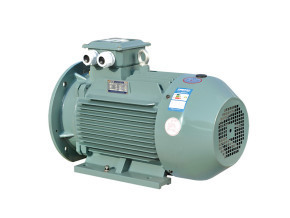
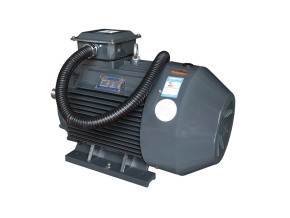
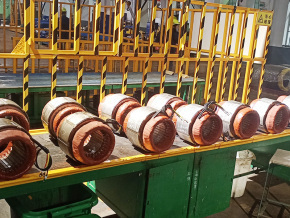
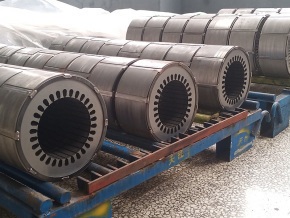
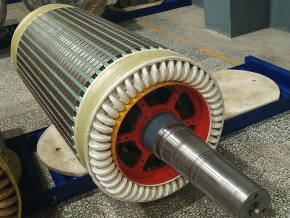
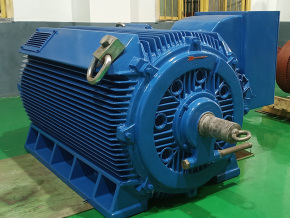
High-efficiency motors are electric motors designed to operate with a higher efficiency compared to standard motors. They achieve this by minimizing energy losses through advanced design features, such as improved rotor and stator designs, better insulation materials, and optimized windings. These enhancements lead to a significant reduction in energy consumption, particularly in variable load conditions, making them ideal for various transport applications.
2.2 How High-Efficiency Motors Work
High-efficiency motors work on the principle of electromagnetic induction, similar to traditional motors. However, the key difference lies in their design and materials, which allow them to convert electrical energy into mechanical energy more effectively.
To break it down further, high-efficiency motors typically feature:
- **Enhanced magnetic materials** that reduce magnetic losses.
- **Improved thermal management** to prevent overheating and energy wastage.
- **Advanced electronic controls** that optimize motor operation based on load demands.
These technological advancements enable high-efficiency motors to perform consistently under various operating conditions while consuming less energy overall.
3. Environmental Impact of High-Efficiency Motors
The environmental benefits of high-efficiency motors are profound and multifaceted. They play a crucial role in reducing energy consumption and emissions, aligning with global sustainability goals.
3.1 Reducing Carbon Footprint
The transportation sector is a significant contributor to carbon emissions. By implementing high-efficiency motors, vehicles can operate with less electricity or fuel, leading to a corresponding decrease in carbon dioxide emissions. For instance, if a fleet of electric buses uses high-efficiency motors, the cumulative reduction in carbon footprint can be substantial, contributing to cleaner urban air and reduced greenhouse gas emissions.
3.2 Energy Saving Benefits
High-efficiency motors can provide energy savings of up to 20-30% compared to standard motors. This translates to lower operational costs for businesses and less strain on electricity grids. By utilizing these motors in transport solutions, companies can significantly reduce their energy expenses while simultaneously supporting sustainability initiatives.
4. Applications of High-Efficiency Motors in Transportation
High-efficiency motors find extensive applications across various modes of transportation, enhancing performance and sustainability in each case.
4.1 Electric Vehicles
The rise of electric vehicles (EVs) is one of the most significant changes in the automotive landscape. High-efficiency motors are central to this transition, providing the necessary power and torque while minimizing energy consumption. These motors enable EVs to have longer ranges and quicker acceleration, making them more appealing to consumers.
4.2 Public Transport Solutions
Public transportation systems, such as buses and trams, are increasingly adopting high-efficiency motors to improve their sustainability profile. These motors contribute to quieter, more efficient operations, reducing both energy costs and noise pollution in urban areas. Additionally, eco-friendly public transport options encourage the use of mass transit, further decreasing the number of vehicles on the road.
4.3 Industrial Transport
In industrial settings, high-efficiency motors are utilized in various applications, including forklifts, conveyor systems, and other material handling equipment. These motors boost productivity by enhancing operational efficiency and minimizing energy waste. By integrating high-efficiency motors into their operations, companies can achieve greater sustainability and reduce their overall energy consumption.
5. Future Trends in High-Efficiency Motor Technology
As technology continues to evolve, high-efficiency motors are poised to undergo significant advancements that will further enhance their capabilities and applications.
5.1 Smart Motor Integration
The integration of smart technology into high-efficiency motors is on the horizon. Smart motors equipped with sensors and IoT (Internet of Things) capabilities can monitor performance in real-time, providing valuable data that can be used for predictive maintenance and optimization. This will not only enhance the operational efficiency of transportation systems but also contribute to longer motor lifespans.
5.2 Integration with Renewable Energy Sources
The future of high-efficiency motors lies in their ability to seamlessly integrate with renewable energy sources such as solar and wind. As more transportation systems transition to renewable energy, high-efficiency motors can help optimize energy usage, ensuring that the energy derived from these sources is utilized effectively.
6. Challenges in Implementing High-Efficiency Motors
Despite the clear benefits, there are challenges in implementing high-efficiency motors on a broader scale. These include:
- **Higher initial costs:** The upfront investment for high-efficiency motors can be higher than traditional motors, posing a barrier for some businesses.
- **Lack of awareness:** Many companies are still unaware of the advantages offered by high-efficiency motors, which can hinder adoption.
- **Technical integration:** Ensuring compatibility with existing systems and technologies can be complex, requiring specialized knowledge and resources.
Addressing these challenges through education and investment in technology will be crucial for the widespread adoption of high-efficiency motors in the transportation sector.
7. Conclusion
High-efficiency motors represent a significant advancement in eco-friendly transport solutions. By providing enhanced performance and substantial energy savings, they are reshaping the landscape of the transportation industry. As we move towards a more sustainable future, the adoption of these innovative motors will be key to reducing carbon emissions and improving energy efficiency across various modes of transport. By understanding the technology, benefits, and future trends associated with high-efficiency motors, stakeholders can make informed decisions that contribute to a greener planet.
8. Frequently Asked Questions
1. What are the main benefits of high-efficiency motors?
High-efficiency motors offer lower energy consumption, reduced operational costs, and a smaller carbon footprint, making them ideal for sustainable transport solutions.
2. How do high-efficiency motors differ from standard motors?
High-efficiency motors are designed with advanced materials and optimized designs to minimize energy losses, resulting in higher operational efficiency compared to standard motors.
3. Can high-efficiency motors be used in all types of vehicles?
Yes, high-efficiency motors can be applied in various types of vehicles, including electric cars, buses, and industrial transport vehicles.
4. What is the expected lifespan of high-efficiency motors?
With proper maintenance, high-efficiency motors can last significantly longer than traditional motors, often exceeding 10-15 years.
5. Are there any government incentives for adopting high-efficiency motors?
Many governments offer financial incentives, rebates, or grants for businesses that choose to invest in energy-efficient technologies, including high-efficiency motors.
recommend News

Wu Dejun: General Manager
Hu Pengbin: Marketing Director
Production site:
No.28, Huaiying Road, Gaoqiao Town, Changsha City, Hunan Province
Zip Code: 410145
Telephone:0731-86156236
ZhenHua Packing Machinery
Online consultation
Leave a message quickly and our experts will contact you
ZhenHua Packing Machinery
Business License

SAF Coolest v1.3.1.2 设置面板 GAGSD-ZGYF-JESSE-ZEA
无数据提示
Sorry, the current column is being updated, please look forward to it!
You can view other columns or returnHome Page