




Maximizing Efficiency with High-Efficiency Motors in Transportation Equipment
2026-03-07

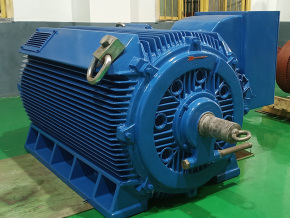
High-efficiency motors have become an essential component in the transportation sector, particularly in various transportation equipment and components. These motors stand out for their ability to convert electrical energy into mechanical energy with minimal losses, significantly enhancing operational efficiency. The transportation industry is constantly evolving, and adopting high-efficiency motors can provide a competitive edge while aligning with sustainability goals.
One of the primary advantages of high-efficiency motors is their energy-saving capability. Traditional motors often waste a portion of energy through heat and friction, leading to increased operational costs. In contrast, high-efficiency motors are designed with advanced materials and technologies that reduce these losses, ensuring more energy is used for productive work. This not only lowers electricity bills but also decreases the overall carbon footprint of transportation operations.
Another critical factor to consider is the reliability of high-efficiency motors. They are engineered to operate under demanding conditions, often providing longer service life compared to standard motors. This durability means fewer maintenance interventions and reduced downtime, crucial for businesses that rely on transportation for their operations. As a result, investing in high-efficiency motors can lead to significant cost savings over time.
The use of high-efficiency motors also aligns with regulatory and environmental standards that many transportation companies face today. Governments and organizations worldwide are pushing for greener technologies, and incorporating these motors can be a proactive step towards compliance. By reducing energy consumption and enhancing performance, companies not only meet regulatory requirements but also improve their public image as environmentally conscious entities.
In addition to energy savings and compliance, high-efficiency motors offer versatility. They can be adapted for various applications within the transportation sector, from electric vehicles to automated systems in logistics and freight transport. This adaptability makes them an ideal choice for companies looking to innovate and modernize their fleets while maintaining high performance.
In conclusion, high-efficiency motors represent a significant advancement in transportation equipment. Their energy-saving capabilities, reliability, compliance with environmental standards, and versatility make them an attractive option for businesses aiming to enhance their operational efficiency. By integrating these advanced motors into their systems, companies can reduce costs, improve sustainability, and ensure they remain competitive in a rapidly changing market. Embracing high-efficiency motors is not just a technological upgrade; it is a strategic move towards a more sustainable and profitable future in transportation.
One of the primary advantages of high-efficiency motors is their energy-saving capability. Traditional motors often waste a portion of energy through heat and friction, leading to increased operational costs. In contrast, high-efficiency motors are designed with advanced materials and technologies that reduce these losses, ensuring more energy is used for productive work. This not only lowers electricity bills but also decreases the overall carbon footprint of transportation operations.
Another critical factor to consider is the reliability of high-efficiency motors. They are engineered to operate under demanding conditions, often providing longer service life compared to standard motors. This durability means fewer maintenance interventions and reduced downtime, crucial for businesses that rely on transportation for their operations. As a result, investing in high-efficiency motors can lead to significant cost savings over time.
The use of high-efficiency motors also aligns with regulatory and environmental standards that many transportation companies face today. Governments and organizations worldwide are pushing for greener technologies, and incorporating these motors can be a proactive step towards compliance. By reducing energy consumption and enhancing performance, companies not only meet regulatory requirements but also improve their public image as environmentally conscious entities.
In addition to energy savings and compliance, high-efficiency motors offer versatility. They can be adapted for various applications within the transportation sector, from electric vehicles to automated systems in logistics and freight transport. This adaptability makes them an ideal choice for companies looking to innovate and modernize their fleets while maintaining high performance.
In conclusion, high-efficiency motors represent a significant advancement in transportation equipment. Their energy-saving capabilities, reliability, compliance with environmental standards, and versatility make them an attractive option for businesses aiming to enhance their operational efficiency. By integrating these advanced motors into their systems, companies can reduce costs, improve sustainability, and ensure they remain competitive in a rapidly changing market. Embracing high-efficiency motors is not just a technological upgrade; it is a strategic move towards a more sustainable and profitable future in transportation.
recommend News

Wu Dejun: General Manager
Hu Pengbin: Marketing Director
Production site:
No.28, Huaiying Road, Gaoqiao Town, Changsha City, Hunan Province
Zip Code: 410145
Telephone:0731-86156236
ZhenHua Packing Machinery
Online consultation
Leave a message quickly and our experts will contact you
ZhenHua Packing Machinery
Business License

SAF Coolest v1.3.1.2 设置面板 GAGSD-ZGYF-JESSE-ZEA
无数据提示
Sorry, the current column is being updated, please look forward to it!
You can view other columns or returnHome Page