



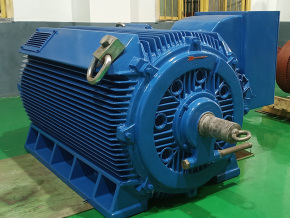

The Future of Transportation: Innovations in Industrial Motor Technology
2026-03-09

The Future of Transportation: Innovations in Industrial Motor Technology
Table of Contents
- Introduction to Innovations in Industrial Motor Technology
- The Role of Industrial Motors in Transportation
- Key Innovations in Industrial Motor Technology
- Electric Motors: Shifting Gears
- Advancements in Motor Design and Materials
- Smart Motors and IoT Integration
- Sustainability and Environmental Considerations
- The Economic Impact of Innovative Motor Technologies
- Real-World Applications and Case Studies
- Challenges Facing the Future of Industrial Motors in Transportation
- FAQs About Innovations in Industrial Motor Technology
- Conclusion: Embracing the Future
Introduction to Innovations in Industrial Motor Technology
The transportation sector stands on the brink of a technological revolution, primarily driven by **innovations in industrial motor technology**. As global demands for sustainability, efficiency, and performance intensify, the industrial motor landscape is evolving rapidly. This transformation not only affects how goods and people move but also influences the environmental footprint of transportation systems worldwide.
In this article, we delve into the latest advancements in industrial motors, exploring their implications for the future of transportation. We will examine how innovations in electric motors, smart technology integration, and sustainable practices are paving the way for a more efficient transportation ecosystem.
The Role of Industrial Motors in Transportation
Industrial motors play a pivotal role in powering various forms of transportation, including trains, ships, trucks, and even aircraft. These motors provide the necessary energy to facilitate movement, ensuring reliability, performance, and efficiency. As the transportation industry shifts towards greener alternatives, the demand for advanced motor technologies is accelerating.
With the increasing adoption of electric and hybrid vehicles, industrial motors are transitioning from traditional combustion engines to electric powertrains. This shift not only enhances energy efficiency but also reduces greenhouse gas emissions, making transportation more sustainable.
Key Innovations in Industrial Motor Technology
The landscape of industrial motors is continually evolving, with several key innovations driving the future of transportation. Below, we explore the most significant advancements that are reshaping the industry.
Electric Motors: Shifting Gears
Electric motors are at the forefront of industrial motor technology innovations. The transition from fossil fuels to electric power has revolutionized the transportation industry, leading to enhanced performance metrics such as torque, speed, and energy efficiency.
Electric motors, particularly brushless DC motors, are gaining traction due to their compact size, lightweight design, and reduced maintenance requirements. The use of regenerative braking in electric vehicles further amplifies their efficiency, allowing energy recovery during deceleration. This innovative feature not only extends the vehicle's range but also diminishes wear on traditional braking systems.
Advancements in Motor Design and Materials
Modern challenges in transportation demand innovative solutions in motor design and materials. Researchers and engineers are now focusing on creating lighter, more efficient motors made from advanced materials such as carbon fiber and high-performance composites.
These materials enhance durability while minimizing overall weight, which directly translates to improved energy efficiency and performance in vehicles. Moreover, advancements in thermal management technologies are allowing motors to operate at higher temperatures, which contributes to better efficiency and reliability.
Smart Motors and IoT Integration
The integration of Internet of Things (IoT) technology into industrial motors is another groundbreaking trend. Smart motors equipped with sensors and connectivity features can provide real-time performance data, predictive maintenance alerts, and remote monitoring capabilities.
This not only helps in optimizing operational efficiency but also reduces downtime and maintenance costs. Fleet operators can gather valuable insights into motor performance and energy consumption, enabling better decision-making and resource allocation.
Sustainability and Environmental Considerations
Sustainability has become a central focus in transportation, and innovations in industrial motor technology are leading the charge. Traditional combustion engines contribute significantly to air pollution and greenhouse gas emissions. In contrast, electric and hybrid motors offer a cleaner alternative that aligns with global sustainability goals.
In addition to reducing emissions, advancements in renewable energy integration, such as solar and wind power, are enhancing the sustainability of industrial motors. As the world moves towards a carbon-neutral future, the development of motors that can efficiently utilize clean energy sources will be paramount.
The Economic Impact of Innovative Motor Technologies
The economic implications of adopting innovative motor technologies in transportation are profound. While the initial investment in advanced motor systems may be substantial, the long-term savings in fuel, maintenance, and operational costs can outweigh these upfront expenses.
Furthermore, the transition to electric and hybrid systems can create new markets and job opportunities within the clean energy and automotive sectors. The development of infrastructure, such as charging stations and renewable energy sources, will further stimulate economic growth and technological advancement.
Real-World Applications and Case Studies
The advancements in industrial motor technology are already making waves in various transportation sectors. For instance, electric buses are gaining popularity in urban environments, offering an eco-friendly alternative to traditional diesel-powered public transport.
In the maritime industry, hybrid and fully electric vessels are being introduced, significantly reducing emissions and operating costs. Companies like **Maersk** are exploring electric propulsion systems for container ships, showcasing a commitment to sustainability and innovation.
Additionally, electric trucks, such as those developed by **Tesla** and **Rivian**, are transforming freight transportation by providing efficient and sustainable alternatives for long-haul logistics.
Challenges Facing the Future of Industrial Motors in Transportation
Despite the promising advancements in industrial motor technology, several challenges lie ahead. The transition to electric and hybrid systems requires significant investment in infrastructure, including charging stations and energy storage solutions.
Moreover, the availability of rare materials required for battery production poses a supply chain risk. As demand increases, sourcing these materials sustainably and efficiently will be crucial.
Lastly, public acceptance and regulatory frameworks must evolve to support the rapid adoption of new technologies. Policymakers will need to create incentives for electric vehicle adoption while addressing concerns related to battery disposal and recycling.
FAQs About Innovations in Industrial Motor Technology
1. What are the main benefits of electric motors in transportation?
Electric motors offer higher efficiency, lower energy costs, reduced emissions, and minimal maintenance compared to traditional combustion engines.
2. How do smart motors work?
Smart motors are equipped with sensors that monitor performance and provide real-time data, allowing for predictive maintenance and optimization of energy consumption.
3. What materials are being used to enhance motor technology?
Advanced materials like carbon fiber and high-performance composites are being used to make motors lighter and more efficient.
4. How does the use of electric motors contribute to sustainability?
Electric motors produce no tailpipe emissions, can be powered by renewable energy sources, and reduce the carbon footprint of transportation systems.
5. What are the challenges of transitioning to electric vehicles?
Challenges include the need for charging infrastructure, potential supply chain issues for battery materials, and regulatory frameworks to support widespread adoption.
Conclusion: Embracing the Future
The future of transportation is undoubtedly intertwined with innovations in industrial motor technology. As we navigate through the challenges and opportunities presented by electric and hybrid systems, the emphasis on sustainability, efficiency, and performance will lead to transformative changes in how we move goods and people.
By embracing these advancements, we can look forward to a transportation system that is not only more efficient but also more sustainable and economically viable. As the industry continues to evolve, staying informed and adaptive to these changes will be essential for all stakeholders involved. The road ahead is promising, and the innovations in industrial motor technology will play a critical role in shaping a better future for transportation.
recommend News

Wu Dejun: General Manager
Hu Pengbin: Marketing Director
Production site:
No.28, Huaiying Road, Gaoqiao Town, Changsha City, Hunan Province
Zip Code: 410145
Telephone:0731-86156236
ZhenHua Packing Machinery
Online consultation
Leave a message quickly and our experts will contact you
ZhenHua Packing Machinery
Business License

SAF Coolest v1.3.1.2 设置面板 GAGSD-ZGYF-JESSE-ZEA
无数据提示
Sorry, the current column is being updated, please look forward to it!
You can view other columns or returnHome Page