




Why Choose Medium-Voltage DC Motors for Enhanced Transport Efficiency?
2026-03-05

Why Choose Medium-Voltage DC Motors for Enhanced Transport Efficiency?
Understanding Medium-Voltage DC Motors
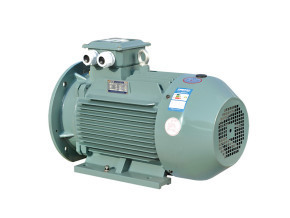
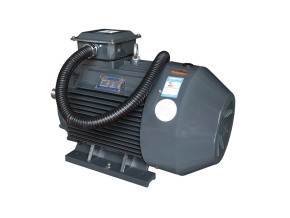
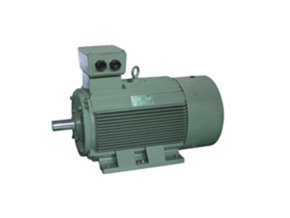
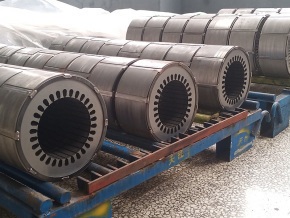
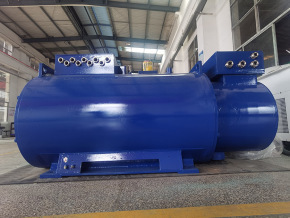
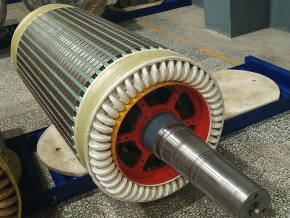
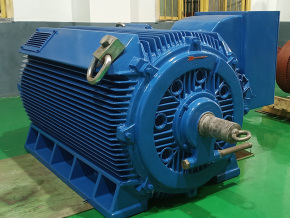
Medium-voltage DC motors are characterized by their operational voltage range, typically between 1 kV and 15 kV. They serve as a pivotal technology in various industries, particularly in transportation. With their ability to deliver high power and efficiency, these motors are increasingly being adopted for applications ranging from electric vehicles to heavy-duty transport systems. The unique features of medium-voltage DC motors allow them to achieve superior performance, lower operational costs, and enhanced reliability.
The Advantages of Medium-Voltage DC Motors
1. Increased Efficiency and Performance
One of the primary benefits of medium-voltage DC motors is their enhanced efficiency. These motors convert electrical energy into mechanical energy with minimal losses, thereby improving overall transport efficiency. With advancements in technology, manufacturers have engineered these motors to operate at higher efficiencies, often exceeding 95%. This translates into less energy consumption and reduced operational costs for transport operators.
2. Reduced Maintenance Costs
Medium-voltage DC motors are designed for durability and longevity. Unlike traditional AC motors, which may require frequent maintenance due to wear and tear, medium-voltage DC motors have fewer moving parts. This results in lower maintenance costs and increased uptime, allowing transport systems to operate more efficiently. Operators can expect significantly reduced downtime and improved reliability.
3. Flexibility in Design and Application
The versatility of medium-voltage DC motors makes them suitable for a wide array of transport applications. Whether it's powering electric buses, trains, or even ships, these motors can be tailored to meet specific requirements. Their ability to be integrated with various control systems also allows for seamless adaptation to existing transport infrastructures.
4. Environmentally Friendly Operation
As the transport industry moves towards sustainable solutions, medium-voltage DC motors emerge as an eco-friendly option. Their efficiency leads to lower energy consumption and reduced greenhouse gas emissions. Furthermore, when powered by renewable energy sources, these motors contribute to a significant decrease in carbon footprints, aligning with global sustainability goals.
Applications of Medium-Voltage DC Motors in Transport
1. Electric Buses
Electric buses are gaining popularity as cities seek to reduce air pollution and improve public transport systems. Medium-voltage DC motors provide the necessary power for acceleration and maintain efficiency during operation. Their high torque capabilities enable electric buses to navigate urban environments smoothly, enhancing overall passenger experience.
2. Trains and Rail Systems
The rail industry is increasingly turning to medium-voltage DC motors for propulsion systems. These motors improve acceleration times and energy efficiency in electric trains, significantly reducing operational costs. Moreover, their reliability ensures that train services remain punctual and dependable, crucial factors in public transport.
3. Maritime Transport
Medium-voltage DC motors are also making waves in the maritime sector. Used for electric propulsion in ships, these motors offer flexibility and efficiency. They are capable of handling the immense power demands of large vessels while maintaining optimal performance and lower emissions.
4. Heavy-Duty Trucks
For heavy-duty transport, medium-voltage DC motors provide the power and torque required for demanding applications. Their robust design ensures longevity, making them ideal for trucks that operate under strenuous conditions. This results in reduced fuel consumption and operational costs for logistics companies.
Future Trends in Medium-Voltage DC Motor Technology
1. Smart Technology Integration
The future of medium-voltage DC motors lies in the integration of smart technologies. With advancements in IoT (Internet of Things), these motors can be equipped with sensors and connected systems that monitor performance in real-time. This data-driven approach allows for predictive maintenance, optimizing operational efficiency and reducing costs.
2. Advances in Materials
Researchers are continually investigating new materials that can enhance the performance of medium-voltage DC motors. Innovations in magnetic materials and offshore wind energy technologies promise to increase efficiency and reduce the size and weight of motors without compromising power output.
3. Renewable Energy Synergy
As the world shifts towards renewable energy sources, medium-voltage DC motors will play a crucial role in energy storage and conversion systems. Their compatibility with solar and wind energy installations allows for seamless integration, enhancing the sustainability of transport systems.
4. Enhanced Control Systems
The evolution of control systems for medium-voltage DC motors will also contribute to improved efficiency. Advanced algorithms will allow for better torque control and energy management, optimizing performance in real-time based on varying transport conditions.
Frequently Asked Questions (FAQs)
1. What are medium-voltage DC motors used for in transport?
Medium-voltage DC motors are widely used in electric buses, trains, maritime vessels, and heavy-duty trucks. They provide efficient and reliable power for various transport applications.
2. How do medium-voltage DC motors compare to AC motors?
Medium-voltage DC motors typically offer higher efficiency, lower maintenance costs, and better torque characteristics compared to traditional AC motors, making them more suitable for demanding transport applications.
3. Are medium-voltage DC motors environmentally friendly?
Yes, medium-voltage DC motors are designed for high efficiency, which leads to lower energy consumption and reduced emissions. When combined with renewable energy sources, they significantly lower the carbon footprint of transport systems.
4. What advancements are being made in medium-voltage DC motor technology?
Future advancements include smart technology integration, the development of new materials, improved control systems, and enhanced compatibility with renewable energy sources.
5. Can medium-voltage DC motors be integrated into existing transport systems?
Yes, their flexibility allows for easy integration into existing infrastructures, making them a viable option for upgrading current transport systems to improve efficiency and reduce costs.
Conclusion
In summary, medium-voltage DC motors represent a game-changing technology in the transport sector, offering unparalleled efficiency, reliability, and sustainability. With their numerous advantages and versatile applications, these motors are not just a trend; they are a crucial component of the future of transportation. As industries continue to evolve, the adoption of medium-voltage DC motors will play a significant role in enhancing transport efficiency, reducing operational costs, and promoting environmental sustainability. The advancements in technology and materials promise an exciting future, making it imperative for transport operators to consider medium-voltage DC motors as a long-term solution for their energy and efficiency needs.
recommend News

Wu Dejun: General Manager
Hu Pengbin: Marketing Director
Production site:
No.28, Huaiying Road, Gaoqiao Town, Changsha City, Hunan Province
Zip Code: 410145
Telephone:0731-86156236
ZhenHua Packing Machinery
Online consultation
Leave a message quickly and our experts will contact you
ZhenHua Packing Machinery
Business License

SAF Coolest v1.3.1.2 设置面板 GAGSD-ZGYF-JESSE-ZEA
无数据提示
Sorry, the current column is being updated, please look forward to it!
You can view other columns or returnHome Page