




Understanding Industrial Permanent Magnet Motors: A Key Component in Transportation Innovation
2026-03-04

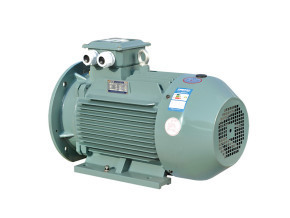
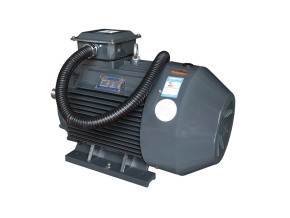
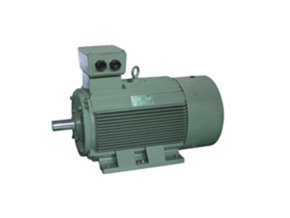
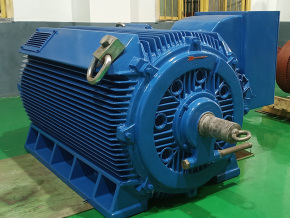
Industrial permanent magnet motors (IPMMs) represent a remarkable advancement in the field of transportation equipment, bringing enhanced efficiency and reliability to various applications. These motors utilize permanent magnets to produce a magnetic field, eliminating the need for additional electrical power to generate magnetism. This unique characteristic not only simplifies the motor design but also contributes to significant energy savings and high performance.
One of the notable advantages of industrial permanent magnet motors is their exceptional efficiency. By achieving efficiency ratings often exceeding 95%, IPMMs reduce energy consumption, which is particularly beneficial for transportation systems that are continuously looking to improve sustainability. This reduction in energy use directly translates to lower operating costs, making them an attractive option for businesses aiming to enhance their bottom line while also adhering to environmental regulations.
In the realm of transportation, these motors find widespread applications. They can be employed in electric vehicles (EVs), rail systems, and various automated transport solutions. Their compact design and high torque output make them ideal for applications requiring reliable performance under varying load conditions. For instance, in electric buses, industrial permanent magnet motors allow for smooth acceleration and deceleration, enhancing passenger comfort and energy efficiency.
Another significant benefit of IPMMs is their low maintenance requirements. Traditional induction motors often require regular maintenance due to their complex construction and reliance on electrical windings. In contrast, permanent magnet motors experience less wear and tear, leading to reduced downtime and maintenance costs. This aspect is crucial for businesses that depend on high availability and operational efficiency in transportation systems.
The integration of industrial permanent magnet motors into transportation equipment also facilitates advancements in control systems. With the ability to precisely control the speed and torque output, these motors enable better handling and responsiveness, which are critical factors in the safety and efficiency of transportation systems. Moreover, advancements in digital controls and automation further enhance the capabilities of IPMMs, allowing for innovative solutions such as regenerative braking systems that recover energy during deceleration.
In conclusion, industrial permanent magnet motors are transforming the landscape of the transportation sector. With their high efficiency, low maintenance needs, and adaptability to various applications, they are poised to play a vital role in the future of transportation technology. As the industry continues to evolve, the importance of these motors will only increase, driving further innovations and improvements in transportation systems worldwide. Embracing the advantages of industrial permanent magnet motors can lead to significant benefits for companies striving for efficiency, sustainability, and enhanced performance in their transportation solutions.
One of the notable advantages of industrial permanent magnet motors is their exceptional efficiency. By achieving efficiency ratings often exceeding 95%, IPMMs reduce energy consumption, which is particularly beneficial for transportation systems that are continuously looking to improve sustainability. This reduction in energy use directly translates to lower operating costs, making them an attractive option for businesses aiming to enhance their bottom line while also adhering to environmental regulations.
In the realm of transportation, these motors find widespread applications. They can be employed in electric vehicles (EVs), rail systems, and various automated transport solutions. Their compact design and high torque output make them ideal for applications requiring reliable performance under varying load conditions. For instance, in electric buses, industrial permanent magnet motors allow for smooth acceleration and deceleration, enhancing passenger comfort and energy efficiency.
Another significant benefit of IPMMs is their low maintenance requirements. Traditional induction motors often require regular maintenance due to their complex construction and reliance on electrical windings. In contrast, permanent magnet motors experience less wear and tear, leading to reduced downtime and maintenance costs. This aspect is crucial for businesses that depend on high availability and operational efficiency in transportation systems.
The integration of industrial permanent magnet motors into transportation equipment also facilitates advancements in control systems. With the ability to precisely control the speed and torque output, these motors enable better handling and responsiveness, which are critical factors in the safety and efficiency of transportation systems. Moreover, advancements in digital controls and automation further enhance the capabilities of IPMMs, allowing for innovative solutions such as regenerative braking systems that recover energy during deceleration.
In conclusion, industrial permanent magnet motors are transforming the landscape of the transportation sector. With their high efficiency, low maintenance needs, and adaptability to various applications, they are poised to play a vital role in the future of transportation technology. As the industry continues to evolve, the importance of these motors will only increase, driving further innovations and improvements in transportation systems worldwide. Embracing the advantages of industrial permanent magnet motors can lead to significant benefits for companies striving for efficiency, sustainability, and enhanced performance in their transportation solutions.
recommend News

Wu Dejun: General Manager
Hu Pengbin: Marketing Director
Production site:
No.28, Huaiying Road, Gaoqiao Town, Changsha City, Hunan Province
Zip Code: 410145
Telephone:0731-86156236
ZhenHua Packing Machinery
Online consultation
Leave a message quickly and our experts will contact you
ZhenHua Packing Machinery
Business License

SAF Coolest v1.3.1.2 设置面板 GAGSD-ZGYF-JESSE-ZEA
无数据提示
Sorry, the current column is being updated, please look forward to it!
You can view other columns or returnHome Page