




Permanent Magnet Motors: The Heart of Next-Gen Transportation Solutions
2026-03-03

Permanent Magnet Motors: The Heart of Next-Gen Transportation Solutions
Table of Contents
- 1. Introduction to Permanent Magnet Motors
- 2. The Importance of Permanent Magnet Motors in Transportation
- 3. How Permanent Magnet Motors Work
- 4. Advantages of Using Permanent Magnet Motors
- 5. Applications of Permanent Magnet Motors in Transportation
- 6. The Future of Permanent Magnet Motors in Transportation
- 7. Challenges Faced by Permanent Magnet Motors
- 8. Conclusion
- 9. Frequently Asked Questions
1. Introduction to Permanent Magnet Motors
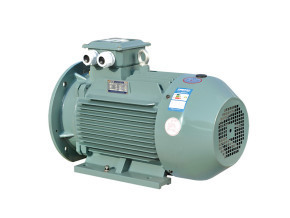
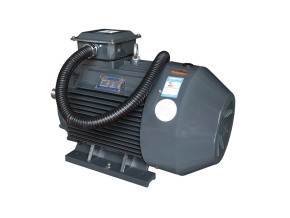
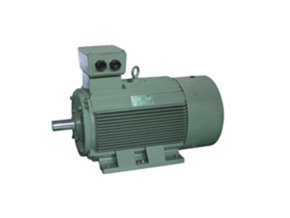
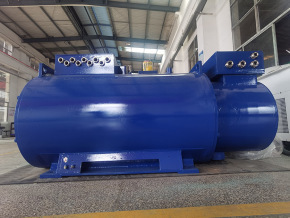
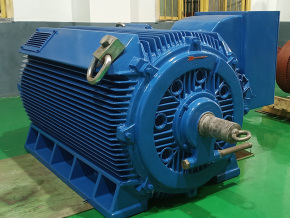
In our rapidly advancing world, **permanent magnet motors** (PMMs) have emerged as a cornerstone of modern transportation solutions. These innovative engines offer enhanced efficiency and reliability, making them essential in various applications, from electric vehicles (EVs) to high-speed trains. Unlike traditional motors, PMMs utilize permanent magnets to create a magnetic field, which leads to higher performance and lower energy consumption. This article delves deep into the role of permanent magnet motors in transforming transportation, highlighting their benefits, applications, and future trends.
2. The Importance of Permanent Magnet Motors in Transportation
The transportation sector is under immense pressure to adapt to **sustainability goals**, reduce emissions, and improve energy efficiency. Permanent magnet motors play a vital role in achieving these objectives. By leveraging the power of permanent magnets, these motors can efficiently convert electrical energy into mechanical energy, resulting in reduced energy consumption and lower greenhouse gas emissions. As cities move toward **smart transportation systems**, PMMs are becoming indispensable, enabling innovations that contribute to a greener future.
3. How Permanent Magnet Motors Work
Understanding how permanent magnet motors work is crucial to recognizing their significance in transportation.
3.1 Basic Principles
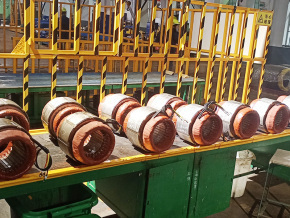
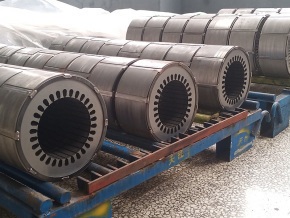
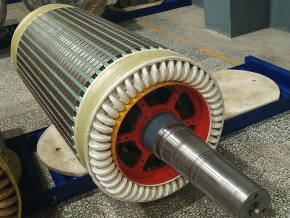
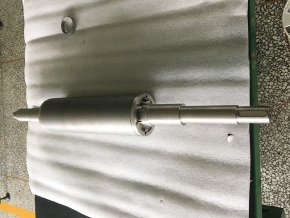
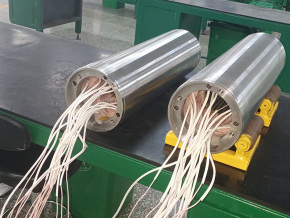
Permanent magnet motors operate on the principles of electromagnetism. They consist of a rotor embedded with permanent magnets and a stator equipped with coils of wire. When electricity flows through the stator coils, it creates a magnetic field that interacts with the magnets on the rotor, causing it to turn. This simple yet effective mechanism allows PMMs to achieve high torque and efficiency, making them ideal for various transportation applications.
3.2 Types of Permanent Magnet Motors
There are several types of permanent magnet motors, including:
- **Brushless DC Motors (BLDC)**: These motors are commonly used in electric vehicles due to their efficiency and low maintenance requirements.
- **Permanent Magnet Synchronous Motors (PMSM)**: PMSMs offer high torque at low speeds, making them suitable for applications requiring precise control.
- **Switched Reluctance Motors (SRM)**: While less common, SRMs can still be effective in certain transportation applications due to their robustness and simplicity.
4. Advantages of Using Permanent Magnet Motors
The advantages of permanent magnet motors over traditional electric motors are numerous.
4.1 Energy Efficiency
PMMs are known for their superior energy efficiency. They can convert a significant portion of electrical energy into mechanical energy, resulting in reduced operational costs.
4.2 Compact Design
The compact design of PMMs allows for more flexible vehicle layouts and lightweight structures, a critical aspect for modern transportation solutions.
4.3 Low Maintenance Requirements
With fewer moving parts compared to traditional motors, PMMs require less maintenance, reducing downtime and associated costs.
4.4 High Performance
Permanent magnet motors provide high torque density and exceptional performance across various speeds, enabling faster acceleration and improved overall vehicle performance.
5. Applications of Permanent Magnet Motors in Transportation
Permanent magnet motors are making significant contributions to various sectors within transportation.
5.1 Electric Vehicles (EVs)
The integration of PMMs in electric vehicles has revolutionized the automotive industry. Their high efficiency and performance attributes help maximize the driving range and improve overall vehicle dynamics.
5.2 Trains and Rail Systems
From high-speed trains to urban transit systems, PMMs are increasingly used due to their reliability and energy efficiency, minimizing operational costs for rail operators.
5.3 Marine Applications
In the marine sector, PMMs are utilized in electric propulsion systems, enhancing fuel efficiency and reducing emissions in ships and boats.
5.4 Drones and Unmanned Aerial Vehicles (UAVs)
As drone technology evolves, PMMs are becoming the preferred choice for propulsion systems, providing the necessary power-to-weight ratio for flight operations.
6. The Future of Permanent Magnet Motors in Transportation
The future of permanent magnet motors in transportation looks promising, as technological advancements continue to enhance their capabilities. Innovations in materials, such as the development of high-performance magnets, are expected to further improve efficiency and reduce costs. Additionally, the ongoing shift towards electrification in transportation will likely drive increased adoption of PMMs across various sectors.
7. Challenges Faced by Permanent Magnet Motors
Despite their numerous advantages, permanent magnet motors face certain challenges that could impact their widespread adoption.
7.1 Cost of Materials
The production of high-performance permanent magnets often relies on rare-earth materials, which can be expensive and subject to market fluctuations. This cost factor may hinder the adoption of PMMs in budget-sensitive applications.
7.2 Thermal Management
Managing heat generated during operation is crucial to maintaining the performance and longevity of PMMs. Effective thermal management systems must be integrated to prevent overheating and performance degradation.
7.3 Integration with Existing Systems
As transportation technologies evolve, integrating PMMs with existing systems and infrastructures can present challenges, particularly in retrofitting older vehicles or systems without extensive modifications.
8. Conclusion
Permanent magnet motors are indeed at the forefront of next-generation transportation solutions. Their ability to deliver high efficiency, low maintenance, and superior performance makes them an integral part of the shift towards sustainable transport systems. As we continue to innovate and address the challenges associated with PMMs, their role in shaping the future of transportation will only grow more significant. Embracing this technology is not just about improving vehicle performance; it is about creating a sustainable, efficient, and greener future for all.
9. Frequently Asked Questions
What are permanent magnet motors used for?
Permanent magnet motors are primarily used in applications such as electric vehicles, high-speed trains, marine propulsion systems, and drones, where efficiency and performance are critical.
How do permanent magnet motors compare to traditional motors?
Permanent magnet motors typically offer higher efficiency, lower maintenance requirements, and improved performance compared to traditional motors, making them more suitable for modern transportation solutions.
Are permanent magnet motors environmentally friendly?
Yes, permanent magnet motors contribute to environmental sustainability by reducing energy consumption and emissions, especially in electric vehicles.
What are the main challenges facing permanent magnet motors?
The main challenges include the cost of rare-earth materials, thermal management issues, and the integration of PMMs with existing transportation systems.
What is the future of permanent magnet motors in transportation?
The future of permanent magnet motors appears bright, driven by technological advancements and the increasing shift towards electrification in various transportation sectors.
Previous Page:
recommend News

Wu Dejun: General Manager
Hu Pengbin: Marketing Director
Production site:
No.28, Huaiying Road, Gaoqiao Town, Changsha City, Hunan Province
Zip Code: 410145
Telephone:0731-86156236
ZhenHua Packing Machinery
Online consultation
Leave a message quickly and our experts will contact you
ZhenHua Packing Machinery
Business License

SAF Coolest v1.3.1.2 设置面板 GAGSD-ZGYF-JESSE-ZEA
无数据提示
Sorry, the current column is being updated, please look forward to it!
You can view other columns or returnHome Page