




Exploring the Importance of Industrial Motors in Modern Transportation Systems
2026-02-21

Exploring the Importance of Industrial Motors in Modern Transportation Systems
Table of Contents
- 1. Introduction to Industrial Motors
- 2. The Importance of Industrial Motors in Transportation
- 3. Types of Industrial Motors Used in Transportation
- 4. Key Applications of Industrial Motors in Transportation
- 5. Advantages of Using Industrial Motors in Transportation Systems
- 6. Future Trends in Industrial Motors and Transportation
- 7. Environmental Impact of Industrial Motors in Transportation
- 8. Conclusion
- 9. FAQs
1. Introduction to Industrial Motors
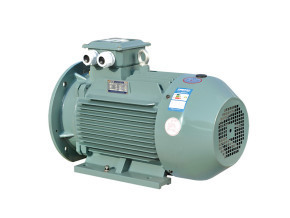
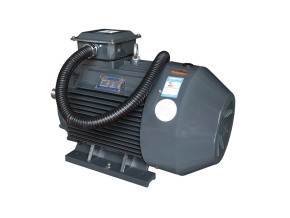
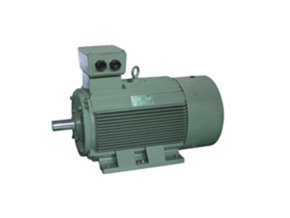
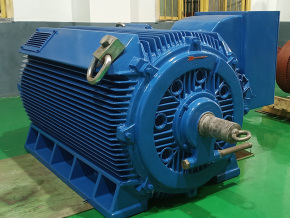
Industrial motors are critical components that power a wide array of machines and vehicles in various sectors, including transportation. These electric or combustion engines convert energy into mechanical motion, enabling the operation of diverse transportation systems. The evolution of industrial motors has led to increased efficiency, reliability, and sustainability, making them indispensable in modern transportation infrastructures.
2. The Importance of Industrial Motors in Transportation
In the realm of transportation, **industrial motors** serve as the backbone for numerous applications. They are crucial in vehicles, trains, and even aircraft, driving the mechanisms that facilitate movement. Their ability to deliver high torque and consistent power ensures that transportation systems can operate effectively under various conditions. As the demand for efficient and sustainable transport solutions rises, the significance of industrial motors becomes even more pronounced.
2.1 Enhancing Efficiency and Performance
Industrial motors are engineered to maximize performance while minimizing energy consumption. By utilizing advanced technologies such as variable frequency drives (VFD) and smart motor controls, transportation systems can optimize energy use, leading to reduced operational costs and improved efficiency.
2.2 Ensuring Reliability and Safety
The reliability of transportation systems hinges on the performance of their industrial motors. These motors are designed to withstand harsh conditions and heavy loads, ensuring that vehicles can operate safely over long distances. Regular maintenance and monitoring of motor performance are essential to uphold safety standards and minimize downtime.
3. Types of Industrial Motors Used in Transportation
Industrial motors come in several types, each serving specific functions within transportation systems. Understanding these types is vital for selecting the right motor for a given application.
3.1 AC Motors
Alternating Current (AC) motors are widely used in various transportation applications due to their durability and efficiency. They are often found in electric vehicles, trains, and trams, where they provide smooth operation and high torque.
3.2 DC Motors
Direct Current (DC) motors are known for their excellent speed control and are often used in applications where precise movements are required, such as in electric forklifts and smaller vehicles.
3.3 Stepper Motors
Stepper motors offer precise control over movement and are commonly used in automated transportation systems, such as conveyor belts and automated guided vehicles (AGVs).
3.4 Servo Motors
Servo motors are employed in applications requiring high precision and response speed. They are often used in robotics within transportation systems, ensuring accurate positioning and movement.
4. Key Applications of Industrial Motors in Transportation
Industrial motors play a pivotal role in various transportation modes, each with unique requirements and challenges.
4.1 Electric Vehicles (EVs)
The rise of electric vehicles marks a significant shift in the automotive industry. Industrial motors are central to the operation of EVs, providing the necessary torque and efficiency to deliver optimal performance.
4.2 Trains and Rail Systems
In rail transport, industrial motors are used to power locomotives and other train systems. Their high reliability and power output are crucial for moving heavy cargo and passengers across long distances.
4.3 Maritime Transport
Industrial motors also find applications in maritime transport, powering everything from cargo ships to small boats. These motors must be robust and reliable to withstand the harsh marine environment.
4.4 Aviation
In aviation, industrial motors facilitate various functions, from auxiliary power units (APUs) to wing actuation systems. Their reliability is paramount to ensure the safety and efficiency of air travel.
5. Advantages of Using Industrial Motors in Transportation Systems
The integration of industrial motors into transportation systems offers numerous benefits that enhance overall performance.
5.1 Energy Efficiency
Industrial motors are designed to operate efficiently, significantly reducing energy consumption compared to traditional motors. This efficiency translates into reduced operational costs and a smaller carbon footprint, aligning with global sustainability goals.
5.2 Improved Performance
With advancements in motor technology, modern industrial motors can deliver higher performance levels than ever before. This improvement allows transportation systems to operate more effectively, meeting the growing demands of urbanization and mobility.
5.3 Cost-Effectiveness
Although the initial investment in high-quality industrial motors may be substantial, their long-term benefits, including lower maintenance costs and enhanced performance, make them a cost-effective choice for transportation systems.
6. Future Trends in Industrial Motors and Transportation
The future of industrial motors in transportation is poised for significant advancement, driven by technological innovation and changing market demands.
6.1 Electrification of Transportation
The ongoing shift towards electric and hybrid vehicles necessitates advancements in industrial motor technology. Enhanced battery technologies and motor design improvements will lead to more efficient and powerful electric transportation options.
6.2 Smart Technologies and Automation
The integration of IoT and AI in industrial motors will pave the way for smarter transportation systems. Real-time monitoring and predictive maintenance will enhance motor performance and reliability.
6.3 Sustainable Practices
With an increasing focus on sustainability, the development of eco-friendly motors and energy recovery systems will shape the future of industrial motors in transportation.
7. Environmental Impact of Industrial Motors in Transportation
The environmental implications of industrial motors are significant, especially as the transportation sector faces scrutiny over its carbon emissions.
7.1 Reducing Carbon Footprint
By adopting energy-efficient industrial motors, transportation systems can drastically reduce their carbon footprint, contributing to global efforts to combat climate change.
7.2 Promoting Sustainable Transport Solutions
The advancement of electric and hybrid vehicles powered by industrial motors supports the transition to sustainable transport solutions, helping cities become greener and more livable.
8. Conclusion
Industrial motors are essential components that drive the efficiency, reliability, and sustainability of modern transportation systems. Their diverse applications and benefits underscore their significance in the continued evolution of transportation. As we move towards a future characterized by rapid technological advancements and heightened environmental awareness, the role of industrial motors will only become more critical. Embracing innovation and sustainability will ensure that transportation systems can meet the demands of the future while minimizing their impact on the planet.
9. FAQs
1. What are industrial motors?
Industrial motors are machines that convert electrical energy into mechanical energy, powering a wide range of applications across various industries, including transportation.
2. How do industrial motors contribute to transportation efficiency?
Industrial motors enhance transportation efficiency by providing reliable and consistent power, optimizing energy use, and reducing operational costs through advanced technologies.
3. What types of industrial motors are commonly used in transportation?
Common types of industrial motors used in transportation include AC motors, DC motors, stepper motors, and servo motors, each offering unique advantages for specific applications.
4. What is the future of industrial motors in transportation?
The future of industrial motors in transportation is focused on electrification, smart technologies, and sustainability, promising improved performance and reduced environmental impact.
5. How do industrial motors impact the environment?
Industrial motors can significantly reduce the carbon footprint of transportation systems by enhancing energy efficiency and enabling the shift towards electric and hybrid vehicles.
recommend News

Wu Dejun: General Manager
Hu Pengbin: Marketing Director
Production site:
No.28, Huaiying Road, Gaoqiao Town, Changsha City, Hunan Province
Zip Code: 410145
Telephone:0731-86156236
ZhenHua Packing Machinery
Online consultation
Leave a message quickly and our experts will contact you
ZhenHua Packing Machinery
Business License

SAF Coolest v1.3.1.2 设置面板 GAGSD-ZGYF-JESSE-ZEA
无数据提示
Sorry, the current column is being updated, please look forward to it!
You can view other columns or returnHome Page