




Unlocking Efficiency: The Advantages of High-Efficiency Motors in Transportation
2026-02-20

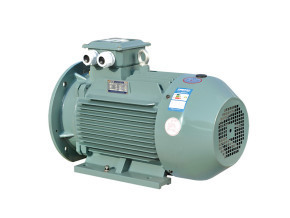
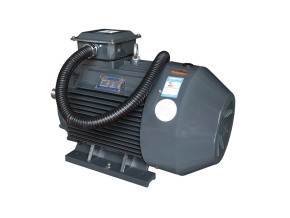
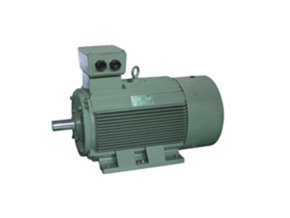
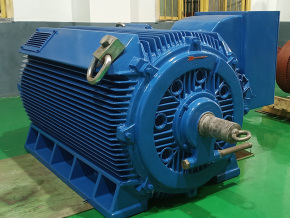
In the ever-evolving landscape of transportation, the quest for efficiency and sustainability has led to the increased adoption of high-efficiency motors. These advanced motors are designed to minimize energy consumption while maximizing output, making them an essential consideration for various transportation equipment and components.
High-efficiency motors utilize innovative designs and materials to achieve superior performance. One of the primary benefits of these motors is their ability to convert electrical energy into mechanical energy with minimal losses. This means that a higher percentage of energy is used for actual work rather than wasted as heat, resulting in lower operational costs. In sectors where energy prices are a significant concern, such as transportation, these savings can be substantial over time.
Another advantage of high-efficiency motors is their contribution to reducing greenhouse gas emissions. As global awareness of climate change issues increases, industries are under pressure to adopt more sustainable practices. By using high-efficiency motors, transportation equipment can operate with a smaller carbon footprint, aligning with environmental regulations and corporate sustainability goals. This not only benefits the planet but also enhances the reputation of companies committed to eco-friendly practices.
Furthermore, high-efficiency motors often feature improved durability and reliability. With advanced materials and engineering techniques, these motors can withstand demanding operating conditions, which is crucial in the transportation sector. Their longevity means fewer replacements and lower maintenance costs, providing an additional layer of economic benefit.
Incorporating high-efficiency motors into transportation equipment can also lead to enhanced performance. These motors can provide greater torque and speed control, allowing for improved acceleration and overall operational efficiency. This is particularly important in applications such as electric vehicles and heavy-duty transport equipment, where performance can significantly impact productivity and safety.
Moreover, as technology continues to advance, high-efficiency motors are becoming more accessible and versatile. They can be integrated into a wide variety of transportation devices, from electric buses to freight systems, ensuring that a wide range of applications can benefit from their efficiency.
In summary, high-efficiency motors represent a crucial innovation in the transportation industry. They offer numerous advantages, including reduced energy consumption, lower emissions, enhanced durability, and improved performance. By investing in these motors, stakeholders in the transportation sector can not only achieve significant cost savings but also contribute to a more sustainable future. As the industry moves towards greener technologies, high-efficiency motors will undoubtedly play a pivotal role in shaping the future of transportation equipment and components.
High-efficiency motors utilize innovative designs and materials to achieve superior performance. One of the primary benefits of these motors is their ability to convert electrical energy into mechanical energy with minimal losses. This means that a higher percentage of energy is used for actual work rather than wasted as heat, resulting in lower operational costs. In sectors where energy prices are a significant concern, such as transportation, these savings can be substantial over time.
Another advantage of high-efficiency motors is their contribution to reducing greenhouse gas emissions. As global awareness of climate change issues increases, industries are under pressure to adopt more sustainable practices. By using high-efficiency motors, transportation equipment can operate with a smaller carbon footprint, aligning with environmental regulations and corporate sustainability goals. This not only benefits the planet but also enhances the reputation of companies committed to eco-friendly practices.
Furthermore, high-efficiency motors often feature improved durability and reliability. With advanced materials and engineering techniques, these motors can withstand demanding operating conditions, which is crucial in the transportation sector. Their longevity means fewer replacements and lower maintenance costs, providing an additional layer of economic benefit.
Incorporating high-efficiency motors into transportation equipment can also lead to enhanced performance. These motors can provide greater torque and speed control, allowing for improved acceleration and overall operational efficiency. This is particularly important in applications such as electric vehicles and heavy-duty transport equipment, where performance can significantly impact productivity and safety.
Moreover, as technology continues to advance, high-efficiency motors are becoming more accessible and versatile. They can be integrated into a wide variety of transportation devices, from electric buses to freight systems, ensuring that a wide range of applications can benefit from their efficiency.
In summary, high-efficiency motors represent a crucial innovation in the transportation industry. They offer numerous advantages, including reduced energy consumption, lower emissions, enhanced durability, and improved performance. By investing in these motors, stakeholders in the transportation sector can not only achieve significant cost savings but also contribute to a more sustainable future. As the industry moves towards greener technologies, high-efficiency motors will undoubtedly play a pivotal role in shaping the future of transportation equipment and components.
recommend News

Wu Dejun: General Manager
Hu Pengbin: Marketing Director
Production site:
No.28, Huaiying Road, Gaoqiao Town, Changsha City, Hunan Province
Zip Code: 410145
Telephone:0731-86156236
ZhenHua Packing Machinery
Online consultation
Leave a message quickly and our experts will contact you
ZhenHua Packing Machinery
Business License

SAF Coolest v1.3.1.2 设置面板 GAGSD-ZGYF-JESSE-ZEA
无数据提示
Sorry, the current column is being updated, please look forward to it!
You can view other columns or returnHome Page