




Understanding Subway Motors: The Backbone of Urban Transit Systems
2026-02-22

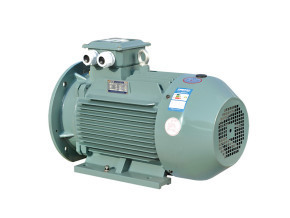
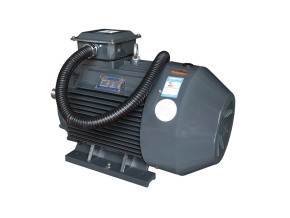
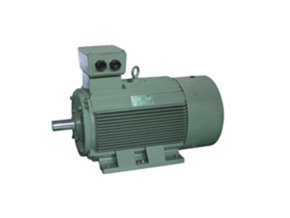
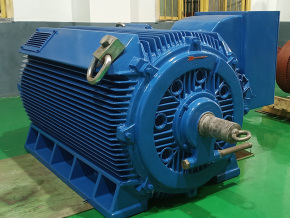
Subway motors are critical components within urban transit systems, acting as the driving force behind the smooth and efficient operation of trains. These motors are designed to convert electrical energy into mechanical energy, propelling subway cars along tracks and ensuring timely transportation for millions of passengers daily.
There are primarily two types of subway motors employed in train systems: DC (Direct Current) motors and AC (Alternating Current) motors. DC motors were traditionally favored due to their simplicity and ease of control. However, the advent of AC motors, particularly induction motors, has transformed the landscape of subway engineering. AC motors are now increasingly used because they offer greater efficiency, reduced maintenance costs, and enhanced performance over a wider speed range.
The efficiency of subway motors is vital for several reasons. First, they contribute to the overall energy efficiency of the subway system. With urbanization leading to increased ridership, the demand for reliable and efficient public transportation is paramount. Subway motors must be capable of handling peak loads while minimizing energy consumption. Advanced technologies like regenerative braking systems, which allow the motors to recover energy during braking, are becoming standard features in modern subway systems.
Furthermore, subway motors play a significant role in the safety and reliability of train operations. They are engineered to provide consistent performance under various conditions, ensuring that trains can start, stop, and maintain speed smoothly. This reliability is crucial for maintaining schedules and minimizing delays, thereby enhancing the overall commuter experience.
In addition to functionality, the design and integration of subway motors into the larger train system are essential. Typically, these motors are housed within the train’s bogies and are coupled with sophisticated control systems that manage their operation. Engineers must ensure that the motors are compatible with the overall design and can be easily serviced or replaced when necessary.
As cities continue to expand and the demand for efficient public transport grows, the role of subway motors will only become more prominent. Innovations in motor technology, such as the development of lightweight materials and advanced cooling techniques, will further enhance performance and sustainability.
In conclusion, subway motors are indispensable to urban transit systems. Their design and functionality not only impact the efficiency of subway operations but also significantly influence the rider experience. By understanding the intricacies of subway motors, transportation professionals can better appreciate their importance and the innovations that continue to drive the industry forward.
There are primarily two types of subway motors employed in train systems: DC (Direct Current) motors and AC (Alternating Current) motors. DC motors were traditionally favored due to their simplicity and ease of control. However, the advent of AC motors, particularly induction motors, has transformed the landscape of subway engineering. AC motors are now increasingly used because they offer greater efficiency, reduced maintenance costs, and enhanced performance over a wider speed range.
The efficiency of subway motors is vital for several reasons. First, they contribute to the overall energy efficiency of the subway system. With urbanization leading to increased ridership, the demand for reliable and efficient public transportation is paramount. Subway motors must be capable of handling peak loads while minimizing energy consumption. Advanced technologies like regenerative braking systems, which allow the motors to recover energy during braking, are becoming standard features in modern subway systems.
Furthermore, subway motors play a significant role in the safety and reliability of train operations. They are engineered to provide consistent performance under various conditions, ensuring that trains can start, stop, and maintain speed smoothly. This reliability is crucial for maintaining schedules and minimizing delays, thereby enhancing the overall commuter experience.
In addition to functionality, the design and integration of subway motors into the larger train system are essential. Typically, these motors are housed within the train’s bogies and are coupled with sophisticated control systems that manage their operation. Engineers must ensure that the motors are compatible with the overall design and can be easily serviced or replaced when necessary.
As cities continue to expand and the demand for efficient public transport grows, the role of subway motors will only become more prominent. Innovations in motor technology, such as the development of lightweight materials and advanced cooling techniques, will further enhance performance and sustainability.
In conclusion, subway motors are indispensable to urban transit systems. Their design and functionality not only impact the efficiency of subway operations but also significantly influence the rider experience. By understanding the intricacies of subway motors, transportation professionals can better appreciate their importance and the innovations that continue to drive the industry forward.
recommend News

Wu Dejun: General Manager
Hu Pengbin: Marketing Director
Production site:
No.28, Huaiying Road, Gaoqiao Town, Changsha City, Hunan Province
Zip Code: 410145
Telephone:0731-86156236
ZhenHua Packing Machinery
Online consultation
Leave a message quickly and our experts will contact you
ZhenHua Packing Machinery
Business License

SAF Coolest v1.3.1.2 设置面板 GAGSD-ZGYF-JESSE-ZEA
无数据提示
Sorry, the current column is being updated, please look forward to it!
You can view other columns or returnHome Page