




Top Applications of Medium-Voltage DC Motors in the Transportation Industry
2026-02-19

Top Applications of Medium-Voltage DC Motors in the Transportation Industry
Medium-voltage DC motors have become increasingly critical in various industries, particularly within transportation. Their unique features provide several advantages, including efficiency, reliability, and compact design. This article explores the significant applications of medium-voltage DC motors in the transportation sector, detailing their functionality, benefits, and future trends to help industry professionals make informed decisions.
Understanding Medium-Voltage DC Motors
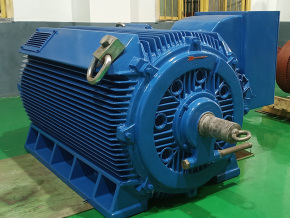
Medium-voltage DC motors are typically defined as motors that operate within the voltage range of 1 kV to 35 kV. These motors are designed to deliver high torque and power efficiently, making them suitable for heavy-duty applications in transportation and other sectors. Unlike traditional low-voltage motors, medium-voltage DC motors can handle larger loads while reducing energy consumption.
Key Characteristics of Medium-Voltage DC Motors
1. **High Efficiency**: Medium-voltage DC motors are known for their high efficiency ratings, often exceeding 90%. This characteristic translates to lower operational costs and reduced energy waste.
2. **Durability**: Built to withstand harsh environments, these motors are resistant to weather conditions and mechanical stress, making them ideal for outdoor and heavy-duty applications.
3. **Compact Size**: Despite their power capabilities, medium-voltage DC motors maintain a compact design, allowing for easier integration into various transportation systems.
Application Areas of Medium-Voltage DC Motors in Transportation
Medium-voltage DC motors have found applications across multiple segments of the transportation industry. Below are some of the most significant areas where these motors are utilized.
1. Electric and Hybrid Vehicles
Electric and hybrid vehicles (EVs and HEVs) rely heavily on efficient motor systems for propulsion. Medium-voltage DC motors provide the necessary torque and power for these vehicles while optimizing energy consumption. Their lightweight and compact design allows for effective space utilization in vehicle architecture.
2. Rail Transportation
Rail systems, including subways, light rail, and freight trains, have increasingly adopted medium-voltage DC motors. These motors are used in traction applications, powering trains to speeds that enhance efficiency. By using regenerative braking technology, these motors can also help recover energy during braking, further improving overall system efficiency.
3. Maritime Applications
In maritime transportation, medium-voltage DC motors are often used in electric propulsion systems for ships and vessels. Their high efficiency and durability make them ideal for various marine applications, including ferry services and cargo transportation. Additionally, these motors contribute significantly to reducing greenhouse gas emissions in the maritime industry.
4. Urban Transportation Systems
Modern urban transportation systems, such as buses and trams, increasingly utilize medium-voltage DC motors. These motors enable smooth acceleration and deceleration, enhancing passenger comfort. Furthermore, their ability to connect with smart grid systems allows for effective energy management, contributing to sustainable urban mobility.
5. Heavy-Duty Equipment
Medium-voltage DC motors are essential for powering heavy-duty transportation equipment, including cranes, forklifts, and construction vehicles. Their torque output allows for smooth operation, even under heavy loads. As industries strive for greater efficiency, these motors play a crucial role in reducing fuel consumption and operational costs.
Benefits of Using Medium-Voltage DC Motors in Transportation
The use of medium-voltage DC motors in transportation offers numerous advantages. Below are some key benefits that make them an attractive choice for manufacturers and operators alike.
1. Enhanced Energy Efficiency
By optimizing energy usage, medium-voltage DC motors help to reduce overall energy costs. Their ability to operate efficiently at various speeds makes them ideal for applications that require variable speed control, thus saving energy during operation.
2. Reduced Maintenance Costs
Medium-voltage DC motors are designed for durability and reliability, reducing the frequency and cost of maintenance. Their robust construction minimizes wear and tear, leading to a longer lifespan and lower total cost of ownership.
3. Environmental Impact
The adoption of medium-voltage DC motors contributes to a decrease in emissions associated with transportation. Their efficiency helps in reducing the carbon footprint of vehicles and equipment, aligning with global sustainability goals.
4. Improved Performance
With their high torque and power capabilities, medium-voltage DC motors enhance the overall performance of transportation systems. They allow for rapid acceleration, better load handling, and superior operational efficiency.
The Future of Medium-Voltage DC Motors in Transportation
As technology continues to advance, the role of medium-voltage DC motors in the transportation industry is expected to grow. Several trends and innovations are shaping the future of these motors.
1. Integration with Renewable Energy Sources
The increasing focus on renewable energy sources is driving the evolution of medium-voltage DC motors. As more transportation systems transition to electric and hybrid solutions, the integration of these motors with solar and wind energy will become essential for maximizing efficiency and sustainability.
2. Smart Motor Technologies
The rise of the Internet of Things (IoT) is paving the way for smart motor technologies. Medium-voltage DC motors equipped with sensors and connectivity features can provide real-time data analytics, enhancing performance monitoring and predictive maintenance capabilities.
3. Advances in Materials and Design
Innovative materials and design techniques will continue to enhance the performance of medium-voltage DC motors. Research and development efforts are focused on creating lighter, more efficient motors that can further improve the effectiveness of transportation systems.
Challenges in the Adoption of Medium-Voltage DC Motors
Despite their numerous advantages, the adoption of medium-voltage DC motors in transportation is not without challenges. Understanding these hurdles is crucial for successful implementation.
1. High Initial Costs
The upfront cost of medium-voltage DC motors can be a significant barrier for some manufacturers and service providers. While the long-term savings on energy and maintenance costs may justify the investment, the initial expenditure can deter adoption.
2. Technical Complexity
The integration of medium-voltage DC motors into existing systems requires specialized knowledge and expertise. Training personnel and ensuring compatibility with existing infrastructure may pose challenges for some organizations.
Frequently Asked Questions (FAQs)
1. What is a medium-voltage DC motor?
Medium-voltage DC motors are electric motors that operate within the voltage range of 1 kV to 35 kV. They are known for their high efficiency and durability, making them suitable for heavy-duty applications.
2. How do medium-voltage DC motors benefit electric vehicles?
Medium-voltage DC motors provide high torque and power efficiency, enabling effective propulsion in electric vehicles. They also optimize energy consumption, contributing to longer ranges and better performance.
3. Are medium-voltage DC motors environmentally friendly?
Yes, medium-voltage DC motors help reduce emissions associated with transportation by enhancing energy efficiency, which contributes to a smaller carbon footprint.
4. What industries utilize medium-voltage DC motors?
Medium-voltage DC motors are used in various industries, including transportation, manufacturing, and marine applications, among others.
5. What are the future trends for medium-voltage DC motors?
Future trends include the integration with renewable energy sources, the development of smart technologies, and advances in materials and design aimed at improving performance and sustainability.
Conclusion
Medium-voltage DC motors are revolutionizing the transportation industry by offering efficient, reliable, and durable solutions for a wide range of applications. Their integration into electric vehicles, rail systems, maritime transportation, and urban transit reflects their versatility and adaptability. As technology continues to evolve, so too will the capabilities of these motors, paving the way for a more sustainable and efficient transportation future. By understanding the applications, benefits, and future trends of medium-voltage DC motors, industry professionals can make informed decisions that align with both operational goals and environmental objectives.
recommend News

Wu Dejun: General Manager
Hu Pengbin: Marketing Director
Production site:
No.28, Huaiying Road, Gaoqiao Town, Changsha City, Hunan Province
Zip Code: 410145
Telephone:0731-86156236
ZhenHua Packing Machinery
Online consultation
Leave a message quickly and our experts will contact you
ZhenHua Packing Machinery
Business License

SAF Coolest v1.3.1.2 设置面板 GAGSD-ZGYF-JESSE-ZEA
无数据提示
Sorry, the current column is being updated, please look forward to it!
You can view other columns or returnHome Page