




Understanding Rail Transit Motors: Key Components for Efficient Transportation
2026-02-16

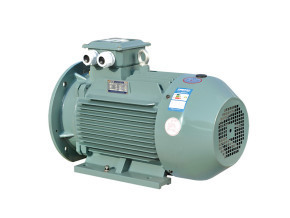
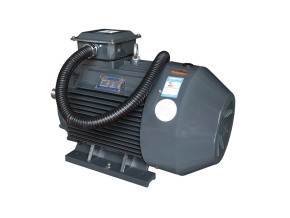
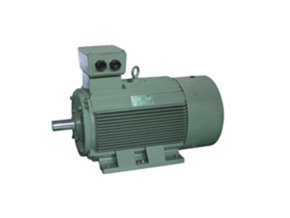
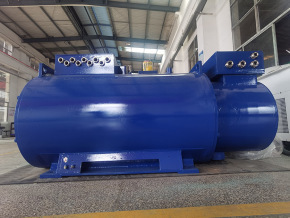
Rail transit motors play a pivotal role in the functioning of modern transportation systems. These specialized electric motors are designed to power trains, trams, and other rail-based vehicles, ensuring smooth and efficient operation. Understanding their key components and functionalities can help you appreciate their importance in the transportation sector.
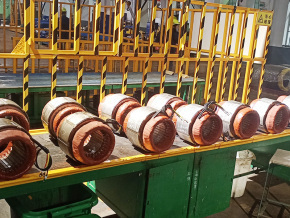
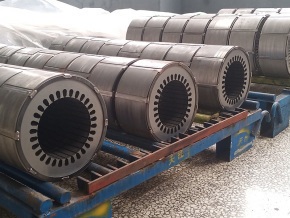
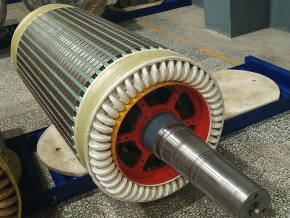
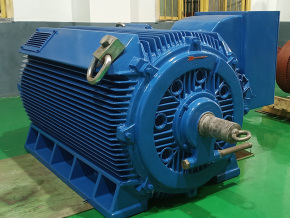
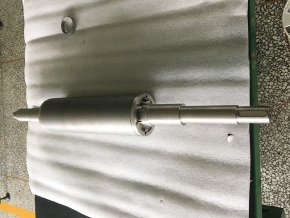
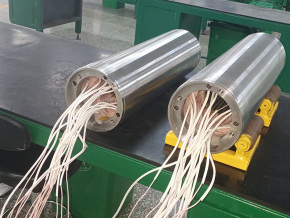
At the core of a rail transit motor is the rotor, which is responsible for converting electrical energy into mechanical energy. The rotor's design is crucial for optimizing performance and efficiency. Coupled with the stator, which generates a magnetic field, these components work together to produce the necessary torque to propel vehicles along the tracks. The selection of materials for both the rotor and stator can impact the motor's efficiency, longevity, and overall performance.
Another critical element of rail transit motors is the control system. This system enables precise management of speed and acceleration, ensuring that trains can start, stop, and adjust their speed smoothly. Advanced control technologies, such as vector control and pulse-width modulation, allow for greater responsiveness and energy efficiency. These innovations contribute to reduced energy consumption, which is increasingly vital in a world focused on sustainability.
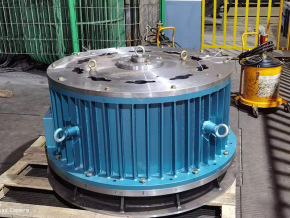
Rail transit motors also incorporate various cooling mechanisms to maintain optimal operating temperatures. Effective thermal management is essential, as high temperatures can lead to decreased efficiency and potential damage to the motor. Air cooling, liquid cooling, and advanced materials are often employed to ensure that motors remain within their ideal temperature range, enhancing reliability and performance.
Maintenance is another crucial aspect of rail transit motors. Regular inspections and servicing can prevent potential failures and extend the lifespan of the motor. Monitoring systems can help detect issues early, allowing for timely interventions that minimize downtime and enhance overall operational efficiency.
Moreover, advancements in technology are continually improving rail transit motor designs. Innovations such as regenerative braking systems enable trains to recover energy during braking, which can be fed back into the power supply or used to power onboard systems. This not only enhances energy efficiency but also reduces operational costs.
In conclusion, rail transit motors are vital components of modern transportation systems. Their intricate designs, control mechanisms, and cooling systems contribute to the efficient and reliable operation of trains and other rail vehicles. By understanding the key features and importance of these motors, stakeholders in the transportation industry can make informed decisions that enhance performance and sustainability in rail transit systems.
At the core of a rail transit motor is the rotor, which is responsible for converting electrical energy into mechanical energy. The rotor's design is crucial for optimizing performance and efficiency. Coupled with the stator, which generates a magnetic field, these components work together to produce the necessary torque to propel vehicles along the tracks. The selection of materials for both the rotor and stator can impact the motor's efficiency, longevity, and overall performance.
Another critical element of rail transit motors is the control system. This system enables precise management of speed and acceleration, ensuring that trains can start, stop, and adjust their speed smoothly. Advanced control technologies, such as vector control and pulse-width modulation, allow for greater responsiveness and energy efficiency. These innovations contribute to reduced energy consumption, which is increasingly vital in a world focused on sustainability.
Rail transit motors also incorporate various cooling mechanisms to maintain optimal operating temperatures. Effective thermal management is essential, as high temperatures can lead to decreased efficiency and potential damage to the motor. Air cooling, liquid cooling, and advanced materials are often employed to ensure that motors remain within their ideal temperature range, enhancing reliability and performance.
Maintenance is another crucial aspect of rail transit motors. Regular inspections and servicing can prevent potential failures and extend the lifespan of the motor. Monitoring systems can help detect issues early, allowing for timely interventions that minimize downtime and enhance overall operational efficiency.
Moreover, advancements in technology are continually improving rail transit motor designs. Innovations such as regenerative braking systems enable trains to recover energy during braking, which can be fed back into the power supply or used to power onboard systems. This not only enhances energy efficiency but also reduces operational costs.
In conclusion, rail transit motors are vital components of modern transportation systems. Their intricate designs, control mechanisms, and cooling systems contribute to the efficient and reliable operation of trains and other rail vehicles. By understanding the key features and importance of these motors, stakeholders in the transportation industry can make informed decisions that enhance performance and sustainability in rail transit systems.
recommend News

Wu Dejun: General Manager
Hu Pengbin: Marketing Director
Production site:
No.28, Huaiying Road, Gaoqiao Town, Changsha City, Hunan Province
Zip Code: 410145
Telephone:0731-86156236
ZhenHua Packing Machinery
Online consultation
Leave a message quickly and our experts will contact you
ZhenHua Packing Machinery
Business License

SAF Coolest v1.3.1.2 设置面板 GAGSD-ZGYF-JESSE-ZEA
无数据提示
Sorry, the current column is being updated, please look forward to it!
You can view other columns or returnHome Page