




Why Subway Motors Are Key to Modern Public Transportation Systems
2026-02-15

Why Subway Motors Are Key to Modern Public Transportation Systems
Table of Contents
- Understanding Subway Motors
- The Importance of Subway Motors in Urban Transit
- Types of Subway Motors: An Overview
- Technical Specifications and Innovations
- Energy Efficiency and Sustainability
- Impact on Commuter Experience and Safety
- The Future of Subway Motors in Public Transportation
- Conclusion
- FAQs About Subway Motors
Understanding Subway Motors
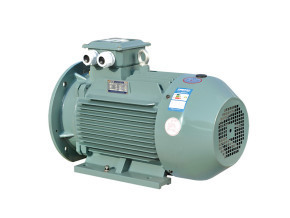
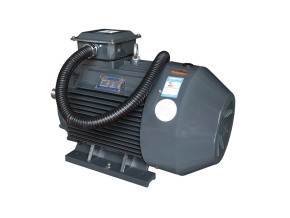
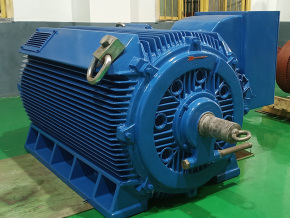
Subway motors are the beating heart of any urban transit system, responsible for propelling subway cars along their tracks. These motors convert electrical energy into mechanical energy, enabling trains to accelerate, decelerate, and maintain speed while navigating complex routes. An understanding of subway motors entails delving into their types, functionalities, and the technology that powers them.
How Subway Motors Work
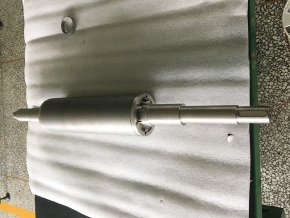
Subway motors operate on a simple principle: electrical energy drives a rotor that spins, creating the force needed to move the train. The most common types of subway motors are AC (Alternating Current) and DC (Direct Current) motors, each with unique characteristics that cater to different operational needs.
The Role of Subway Motors in Transit Systems
In an era where urbanization is on the rise, efficient subway systems play a pivotal role in public transportation. Subway motors not only ensure the trains run smoothly but also significantly impact the overall efficiency of the transportation network.
The Importance of Subway Motors in Urban Transit
The advantages of integrating advanced subway motors into public transit systems cannot be overstated. These motors enhance operational efficiency, reduce energy consumption, and lower maintenance costs, making them indispensable in modern urban environments.
Enhancing Operational Efficiency
Subway motors enable trains to operate at optimal speeds and frequency, thereby reducing wait times for commuters. Efficient motors help minimize delays, ensuring that transportation schedules remain consistent and reliable.
Cost-Effectiveness and Maintenance
Investing in high-quality subway motors can significantly reduce long-term operational costs. With advancements in technology, modern motors require less frequent maintenance, which translates into lower downtime and repair costs.
Types of Subway Motors: An Overview
Understanding the different types of subway motors is essential for appreciating their roles in transit systems. The two main categories are AC motors and DC motors, each offering distinct advantages.
AC Motors
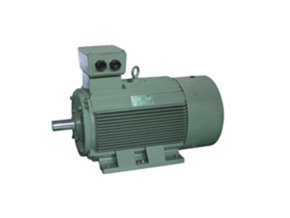
AC motors, particularly squirrel-cage induction motors, are commonly used in modern subway systems. Their ability to handle variable speeds and loads makes them ideal for urban transit, where frequent stops and starts are the norm.
Advantages of AC Motors
- **Higher Efficiency**: AC motors generally outperform DC motors in energy efficiency.
- **Lower Maintenance**: With fewer components that wear out, AC motors require less maintenance.
- **Regenerative Braking**: Many AC motors can be equipped with regenerative braking systems, which capture energy during braking and feed it back into the network.
DC Motors
Though less common in newer systems, DC motors are still utilized in some subway lines due to their simplicity and reliability.
Advantages of DC Motors
- **Simplicity**: DC motors are typically easier to install and maintain.
- **High Torque**: They provide high torque at low speeds, making them suitable for initial acceleration.
Technical Specifications and Innovations
Modern subway motors come equipped with a range of specifications designed to improve performance and reliability.
Power Ratings and Voltage
Subway motors are available in various power ratings, usually ranging from 200 to 1,000 kW, depending on the size of the subway system. The voltage ratings typically range from 600V to 1,500V, depending on the specific requirements of the system.
Control Systems and Automation
Innovative control systems play a vital role in maximizing the efficiency of subway motors. These systems utilize advanced algorithms to optimize performance, ensuring that trains run smoothly and safely.
Energy Efficiency and Sustainability
In a world increasingly focused on sustainability, subway motors are at the forefront of energy-efficient transportation solutions.
Reducing Carbon Footprint
Subway systems powered by efficient motors significantly reduce greenhouse gas emissions compared to traditional modes of transportation, such as cars and buses.
Integration with Renewable Energy Sources
Many modern subway systems are beginning to integrate renewable energy sources, such as solar or wind energy, into their operations. Subway motors that utilize regenerative braking can help capture and reuse energy, further enhancing sustainability.
Impact on Commuter Experience and Safety
The design and functionality of subway motors directly impact the commuter experience.
Comfort and Noise Reduction
Advanced subway motors are engineered for smooth operation, reducing vibrations and noise levels within the passenger compartments. This enhances the overall comfort of the journey, making commuting more pleasant for passengers.
Safety Features
Modern subway motors are equipped with various safety features, including automatic braking systems and real-time monitoring. These innovations significantly reduce the risk of accidents, ensuring a safer traveling environment for all passengers.
The Future of Subway Motors in Public Transportation
As we look ahead, the role of subway motors in public transportation will only grow more crucial.
Technological Advancements
Ongoing research and development in motor technology will lead to even more efficient and reliable subway systems. Innovations such as smart motors and AI-driven control systems will play a significant role in shaping the future of urban transit.
Integration with Smart City Initiatives
Subway motors will be essential components of smart city initiatives, where integrated transportation systems enhance urban mobility. These developments will create seamless connections between different modes of transport, improving accessibility and reducing congestion.
Conclusion
Subway motors are not just components of public transportation; they are fundamental to the efficiency, safety, and sustainability of modern urban transit systems. As cities continue to grow and evolve, the importance of these motors will only increase, driving innovations and improvements in the way we move within urban landscapes. Investing in advanced subway motor technology is paramount for cities striving to create efficient, reliable, and environmentally friendly transportation networks.
FAQs About Subway Motors
1. What is the main function of subway motors?
Subway motors convert electrical energy into mechanical energy, propelling subway cars along the tracks and facilitating smooth operations.
2. What types of motors are commonly used in subways?
The two primary types of motors used in subway systems are AC (Alternating Current) and DC (Direct Current) motors.
3. How do subway motors contribute to energy efficiency?
Modern subway motors are designed for high efficiency, employing technologies such as regenerative braking that capture energy during braking and reduce overall energy consumption.
4. What advancements are shaping the future of subway motors?
Innovations such as smart motor technology, AI-driven control systems, and integration with renewable energy sources are set to enhance the performance and sustainability of subway motors.
5. Why is passenger comfort important in subway systems?
Passenger comfort is crucial for enhancing the overall commuting experience, reducing stress, and encouraging more people to use public transportation. Advanced subway motors help achieve this by minimizing noise and vibrations.
recommend News

Wu Dejun: General Manager
Hu Pengbin: Marketing Director
Production site:
No.28, Huaiying Road, Gaoqiao Town, Changsha City, Hunan Province
Zip Code: 410145
Telephone:0731-86156236
ZhenHua Packing Machinery
Online consultation
Leave a message quickly and our experts will contact you
ZhenHua Packing Machinery
Business License

SAF Coolest v1.3.1.2 设置面板 GAGSD-ZGYF-JESSE-ZEA
无数据提示
Sorry, the current column is being updated, please look forward to it!
You can view other columns or returnHome Page