




Enhancing Vehicle Performance: The Role of Permanent Magnet Motors
2026-02-17

Enhancing Vehicle Performance: The Role of Permanent Magnet Motors
Table of Contents
- 1. Introduction to Permanent Magnet Motors
- 2. Understanding Permanent Magnet Motors
- 3. Advantages of Permanent Magnet Motors in Vehicles
- 3.1 Higher Efficiency in Energy Conversion
- 3.2 Compact Design and Power Density
- 3.3 Reduced Emissions and Environmental Impact
- 4. Applications of Permanent Magnet Motors in Transportation
- 5. Challenges Facing Permanent Magnet Motors
- 6. Future Trends in Permanent Magnet Motor Technology
- 7. Conclusion
- 8. Frequently Asked Questions
1. Introduction to Permanent Magnet Motors
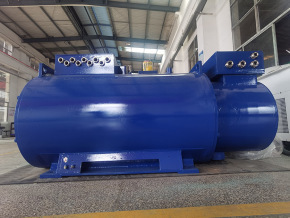
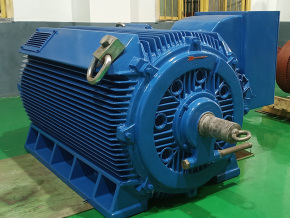
In the realm of modern transportation, the advancement of vehicle performance is paramount. **Permanent magnet motors (PMMs)** have emerged as a transformative technology, driving improvements in efficiency and sustainability. These motors utilize permanent magnets to produce a magnetic field, enhancing the operation of electric and hybrid vehicles. Their adoption is not just a trend; it represents a seismic shift towards greener transportation solutions.
2. Understanding Permanent Magnet Motors
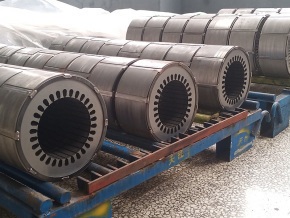
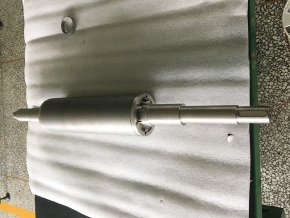
Permanent magnet motors rely on magnets made from rare-earth materials such as neodymium to create a consistent magnetic field. This design contrasts with traditional motors that require external power to generate a magnetic field. As a result, PMMs offer unique advantages that contribute to their growing popularity in the automotive sector.
How Permanent Magnet Motors Operate
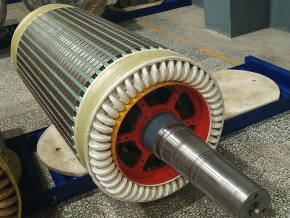
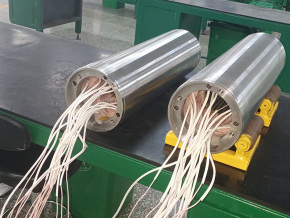
In essence, PMMs convert electrical energy into mechanical energy through electromagnetic interactions. When electrical current flows through the coils of the motor, it interacts with the magnetic field created by the permanent magnets, resulting in rotational motion. This process is highly efficient, leading to less energy waste and improved performance metrics in vehicles.
3. Advantages of Permanent Magnet Motors in Vehicles
Permanent magnet motors present several compelling advantages that make them an attractive choice for vehicle propulsion systems.
3.1 Higher Efficiency in Energy Conversion
One of the most significant benefits of PMMs is their **exceptional efficiency**. These motors can achieve efficiencies exceeding 90%, allowing vehicles to convert a greater percentage of electrical energy from the battery into usable power. This efficiency leads to extended driving ranges for electric vehicles, addressing a common concern among consumers.
3.2 Compact Design and Power Density
PMMs are inherently compact due to the design of their magnetic systems. This compactness allows for a smaller motor size without sacrificing power output, which enables manufacturers to design lighter and more agile vehicles. The **high power density** of these motors means they can deliver more torque in a smaller package, enhancing overall vehicle performance.
3.3 Reduced Emissions and Environmental Impact
As global awareness of climate change increases, the demand for **low-emission vehicles** rises. PMMs contribute to this movement by providing a clean and efficient alternative to traditional combustion engines. By decreasing reliance on fossil fuels, PMMs help reduce greenhouse gas emissions, making them a cornerstone of sustainable transportation solutions.
4. Applications of Permanent Magnet Motors in Transportation
The versatility of permanent magnet motors lends itself to a wide range of applications within the transportation sector.
4.1 Electric Vehicles
Electric vehicles (EVs) are perhaps the most prominent application of PMM technology. These motors power the vast majority of modern EVs, providing high performance with minimal energy consumption. As manufacturers strive to produce more efficient and effective EVs, the role of PMMs will only expand.
4.2 Hybrid Vehicles
Hybrid vehicles combine traditional engines with electric propulsion systems, utilizing PMMs to optimize power usage and efficiency. By enabling seamless transitions between power sources, PMMs enhance both performance and fuel economy, benefiting consumers and manufacturers alike.
4.3 Public Transportation Systems
Public transportation systems are increasingly adopting PMM technology to improve efficiency and reduce operational costs. Buses, trams, and even subways equipped with permanent magnet motors experience lower energy consumption and maintenance costs, ultimately translating into savings for city planners and taxpayers.
5. Challenges Facing Permanent Magnet Motors
While permanent magnet motors offer numerous advantages, challenges remain that must be addressed for broader adoption.
5.1 Material Costs and Sourcing Issues
The use of rare-earth materials in permanent magnets can lead to cost fluctuations and supply chain challenges. As global demand for these materials increases, manufacturers must find ways to negotiate costs and ensure a steady supply to maintain production levels.
5.2 Thermal Management Concerns
As with any motor, **thermal management** is crucial for performance and longevity. PMMs generate heat during operation, and without effective cooling solutions, this heat can damage the motor or reduce its efficiency. Manufacturers are actively researching materials and designs that can withstand higher temperatures and improve thermal management.
6. Future Trends in Permanent Magnet Motor Technology
The future of permanent magnet motors in vehicle performance looks promising, with several trends signaling further advancements.
Advancements in Materials
Research into alternative materials for permanent magnets is underway, focusing on reducing reliance on rare-earth elements. This could lead to more sustainable production methods and lower costs.
Integration with Smart Technologies
As vehicles become increasingly connected, PMMs are likely to integrate with smart technologies for enhanced performance. Features such as predictive maintenance and real-time efficiency monitoring could optimize the operation of permanent magnet motors in real-time.
7. Conclusion
Permanent magnet motors are at the forefront of enhancing vehicle performance and paving the way for a more sustainable transportation future. Their efficiency, compact design, and reduced emissions make them an attractive choice for electric and hybrid vehicles, as well as public transportation systems. While challenges such as material costs and thermal management remain, ongoing advancements in technology and materials promise to unlock the full potential of PMMs. As we continue to innovate, the role of permanent magnet motors will undoubtedly become more essential in creating a greener, more efficient automotive landscape.
8. Frequently Asked Questions
1. What are permanent magnet motors used for?
Permanent magnet motors are primarily used in electric and hybrid vehicles, but they are also employed in various applications such as public transportation systems and industrial machinery due to their efficiency and compact design.
2. How do permanent magnet motors differ from traditional motors?
Unlike traditional motors that require external power to generate a magnetic field, permanent magnet motors use magnets made from rare-earth materials to create a magnetic field, resulting in higher efficiency and power density.
3. What are the environmental benefits of using permanent magnet motors?
Permanent magnet motors contribute to reducing greenhouse gas emissions by enabling cleaner electric and hybrid vehicles, helping to combat climate change and promote sustainable transportation.
4. Are there any disadvantages to permanent magnet motors?
Yes, some disadvantages include the high cost of rare-earth materials and challenges related to thermal management during operation. However, ongoing research is addressing these issues.
5. What is the future of permanent magnet motors in the automotive industry?
The future of permanent magnet motors is promising, with anticipated advancements in materials, integration with smart technologies, and increased adoption in various vehicle types, thereby enhancing performance and efficiency.
By focusing on these factors, we can clearly see that **permanent magnet motors** play a crucial role in boosting vehicle performance and paving the way for sustainable transportation solutions.
recommend News

Wu Dejun: General Manager
Hu Pengbin: Marketing Director
Production site:
No.28, Huaiying Road, Gaoqiao Town, Changsha City, Hunan Province
Zip Code: 410145
Telephone:0731-86156236
ZhenHua Packing Machinery
Online consultation
Leave a message quickly and our experts will contact you
ZhenHua Packing Machinery
Business License

SAF Coolest v1.3.1.2 设置面板 GAGSD-ZGYF-JESSE-ZEA
无数据提示
Sorry, the current column is being updated, please look forward to it!
You can view other columns or returnHome Page