




Understanding Industrial Motors in Transportation Equipment
2026-02-14

---
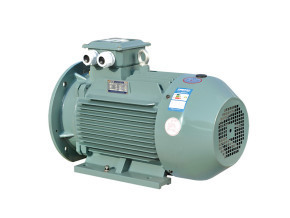
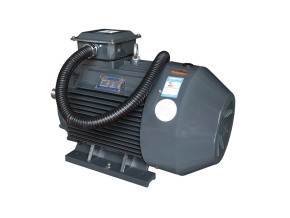
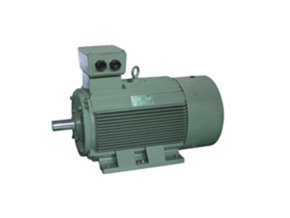
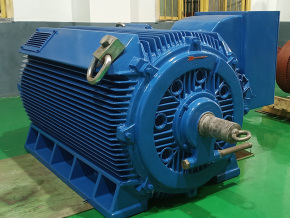
Industrial motors play a pivotal role in the transportation sector, powering a variety of equipment and components essential for efficient operation. Whether used in conveyor systems, electric vehicles, or other transportation devices, industrial motors are crucial for ensuring reliability and performance.
**Types of Industrial Motors**
There are several types of industrial motors commonly used in transportation applications. The most prevalent types include AC motors, DC motors, and stepper motors.
1. **AC Motors**: These are widely used due to their efficiency and reliability, particularly in high-power applications. They convert alternating current into mechanical energy and are suitable for continuous operation, making them ideal for transport systems that require constant motion.
2. **DC Motors**: Known for their ease of control, DC motors are often used in applications requiring variable speed and torque. They are common in electric vehicles and smaller transportation devices where precise control is necessary.
3. **Stepper Motors**: These motors are crucial for applications needing precise positioning, such as in automated guided vehicles (AGVs). Stepper motors enable exact control of movement, which is vital for tasks that demand accuracy.
**Applications in Transportation Equipment**
Industrial motors are employed in various transportation systems, from heavy-duty machinery to precision instruments. In freight transportation, for example, industrial motors drive conveyor belts and automate loading and unloading processes, significantly enhancing efficiency.
In public transportation, electric buses and trains rely on industrial motors for propulsion. These motors contribute to reducing emissions and promoting sustainability in urban transport systems. Furthermore, industrial motors are also used in components such as lifts and escalators, ensuring smooth operation in transport hubs like airports and train stations.
**Factors to Consider When Choosing an Industrial Motor**
When selecting an industrial motor for transportation equipment, several factors must be considered:
1. **Power Requirements**: Assess the power needed for the application. Motors should provide adequate torque and speed to meet operational demands.
2. **Environmental Conditions**: Consider the environment in which the motor will operate. Factors such as temperature, moisture, and dust can impact motor performance and longevity.
3. **Maintenance and Durability**: Choose motors designed for easy maintenance and high durability, especially in demanding transport applications where downtime can be costly.
4. **Energy Efficiency**: Opting for energy-efficient motors can lead to cost savings and reduced environmental impact over time.
In conclusion, industrial motors are indispensable in the transportation sector, significantly influencing the efficiency and functionality of various transportation devices and components. By understanding the types, applications, and selection criteria for industrial motors, professionals can make informed decisions that enhance operational effectiveness and sustainability in their transportation systems.
Industrial motors play a pivotal role in the transportation sector, powering a variety of equipment and components essential for efficient operation. Whether used in conveyor systems, electric vehicles, or other transportation devices, industrial motors are crucial for ensuring reliability and performance.
**Types of Industrial Motors**
There are several types of industrial motors commonly used in transportation applications. The most prevalent types include AC motors, DC motors, and stepper motors.
1. **AC Motors**: These are widely used due to their efficiency and reliability, particularly in high-power applications. They convert alternating current into mechanical energy and are suitable for continuous operation, making them ideal for transport systems that require constant motion.
2. **DC Motors**: Known for their ease of control, DC motors are often used in applications requiring variable speed and torque. They are common in electric vehicles and smaller transportation devices where precise control is necessary.
3. **Stepper Motors**: These motors are crucial for applications needing precise positioning, such as in automated guided vehicles (AGVs). Stepper motors enable exact control of movement, which is vital for tasks that demand accuracy.
**Applications in Transportation Equipment**
Industrial motors are employed in various transportation systems, from heavy-duty machinery to precision instruments. In freight transportation, for example, industrial motors drive conveyor belts and automate loading and unloading processes, significantly enhancing efficiency.
In public transportation, electric buses and trains rely on industrial motors for propulsion. These motors contribute to reducing emissions and promoting sustainability in urban transport systems. Furthermore, industrial motors are also used in components such as lifts and escalators, ensuring smooth operation in transport hubs like airports and train stations.
**Factors to Consider When Choosing an Industrial Motor**
When selecting an industrial motor for transportation equipment, several factors must be considered:
1. **Power Requirements**: Assess the power needed for the application. Motors should provide adequate torque and speed to meet operational demands.
2. **Environmental Conditions**: Consider the environment in which the motor will operate. Factors such as temperature, moisture, and dust can impact motor performance and longevity.
3. **Maintenance and Durability**: Choose motors designed for easy maintenance and high durability, especially in demanding transport applications where downtime can be costly.
4. **Energy Efficiency**: Opting for energy-efficient motors can lead to cost savings and reduced environmental impact over time.
In conclusion, industrial motors are indispensable in the transportation sector, significantly influencing the efficiency and functionality of various transportation devices and components. By understanding the types, applications, and selection criteria for industrial motors, professionals can make informed decisions that enhance operational effectiveness and sustainability in their transportation systems.
recommend News

Wu Dejun: General Manager
Hu Pengbin: Marketing Director
Production site:
No.28, Huaiying Road, Gaoqiao Town, Changsha City, Hunan Province
Zip Code: 410145
Telephone:0731-86156236
ZhenHua Packing Machinery
Online consultation
Leave a message quickly and our experts will contact you
ZhenHua Packing Machinery
Business License

SAF Coolest v1.3.1.2 设置面板 GAGSD-ZGYF-JESSE-ZEA
无数据提示
Sorry, the current column is being updated, please look forward to it!
You can view other columns or returnHome Page