




The Future of Transportation: The Role of High-Efficiency Motors in Revolutionizing Mobility
2026-02-13

The Future of Transportation: The Role of High-Efficiency Motors
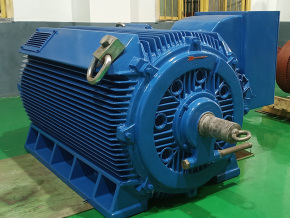
The transportation industry is on the brink of a major transformation, driven by technological advancements and an increasing need for sustainable solutions. At the heart of this evolution lie **high-efficiency motors**, which are poised to play a crucial role in redefining how we move goods and people. As we delve into the intricate details of high-efficiency motors, it becomes evident that they are not just components; they are the backbone of a new era in transportation. This article aims to provide an in-depth analysis of the future of transportation, with a focus on the significant contributions of high-efficiency motors.
Table of Contents
- 1. Introduction to High-Efficiency Motors
- 2. Technological Advancements in High-Efficiency Motors
- 3. Environmental Impact of High-Efficiency Motors
- 4. Applications of High-Efficiency Motors in Transportation
- 5. Future Trends in High-Efficiency Motor Technology
- 6. Challenges Facing High-Efficiency Motors and Proposed Solutions
- 7. Case Studies: Successful Implementation of High-Efficiency Motors
- 8. Conclusion: The Path Forward
- 9. FAQs About High-Efficiency Motors in Transportation
1. Introduction to High-Efficiency Motors
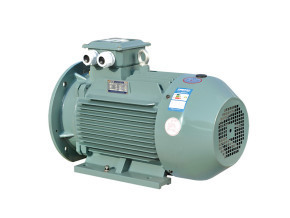
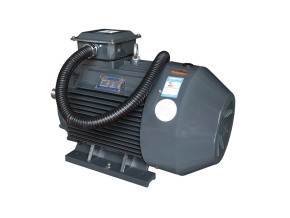
High-efficiency motors are electric motors designed to operate with minimal energy loss. They enhance performance while reducing the environmental footprint associated with traditional motor technologies. These motors achieve higher efficiency through various means, including advanced materials, innovative design, and superior manufacturing processes. The global push toward sustainability and energy efficiency has accelerated the adoption of high-efficiency motors in various sectors, particularly in transportation.
2. Technological Advancements in High-Efficiency Motors
The development of high-efficiency motors has been propelled by significant technological advancements. Some of the notable innovations include:
2.1 Advanced Materials
New materials, such as **high-performance magnets** and **superior insulation**, contribute to the efficiency of modern motors. These materials minimize energy loss and enhance the overall performance of electric motors.
2.2 Smart Motor Technology
Integration of **Internet of Things (IoT)** technologies allows for real-time monitoring and optimization of motor performance. Smart motors can adjust their operation based on load and environmental conditions, resulting in improved energy efficiency.
2.3 Improved Design
Innovative design approaches, such as **compact and lightweight** motor configurations, enable higher power density and efficiency. These designs facilitate easier integration into various vehicles and systems.
3. Environmental Impact of High-Efficiency Motors
The environmental benefits of high-efficiency motors are significant, particularly in reducing greenhouse gas emissions and energy consumption. By utilizing high-efficiency motors, the transportation sector can achieve substantial reductions in carbon emissions, contributing to global climate change mitigation efforts.
3.1 Reduced Energy Consumption
High-efficiency motors consume less energy compared to conventional motors. For instance, by replacing traditional motors in public transport systems, cities could significantly decrease their overall energy consumption, leading to lower electricity costs and reduced reliance on fossil fuels.
3.2 Lower Emissions
As the transportation sector transitions to electric and hybrid vehicles powered by high-efficiency motors, the resulting reduction in **carbon emissions** plays a critical role in combating air pollution and improving urban air quality.
4. Applications of High-Efficiency Motors in Transportation
High-efficiency motors are finding applications across various modes of transportation, enhancing performance and sustainability. Some of the key applications include:
4.1 Electric Vehicles (EVs)
Electric vehicles have become a focal point for high-efficiency motor applications. The integration of these motors enables EVs to achieve greater ranges while minimizing energy loss, making them more appealing to consumers.
4.2 Public Transportation
High-efficiency motors are increasingly utilized in public transportation systems, such as buses and trains. These motors improve energy efficiency, reduce operational costs, and contribute to more sustainable urban mobility solutions.
4.3 Freight and Cargo Transport
Logistics companies are adopting high-efficiency motors in electric delivery trucks and cargo ships. By optimizing energy use, these motors enhance operational efficiency and reduce emissions associated with freight transport.
5. Future Trends in High-Efficiency Motor Technology
The future of high-efficiency motors is bright, with several emerging trends poised to shape their development and adoption:
5.1 Increased Integration with Renewable Energy
The integration of high-efficiency motors with **renewable energy sources** such as solar and wind power will drive innovation and sustainability. These motors can operate more efficiently in hybrid systems, reducing reliance on non-renewable energy.
5.2 Advances in Energy Storage Solutions
As **battery technology** continues to improve, the synergy between high-efficiency motors and advanced energy storage systems will enhance the overall performance of electric and hybrid vehicles.
5.3 Autonomous Vehicles
High-efficiency motors will play a pivotal role in the development of autonomous vehicles, where energy efficiency is crucial for extending range and improving performance. The seamless integration of motor systems with artificial intelligence (AI) algorithms will optimize energy use in real-time.
6. Challenges Facing High-Efficiency Motors and Proposed Solutions
Despite the numerous advantages of high-efficiency motors, several challenges must be addressed to ensure their widespread adoption:
6.1 Cost of Implementation
The initial investment for high-efficiency motors can be higher than traditional motors. However, the long-term savings in energy costs and lower emissions can offset these costs. Incentives and subsidies can encourage adoption.
6.2 Infrastructure Development
To support the deployment of high-efficiency motors, investments in **charging infrastructure** and **maintenance facilities** are necessary. Governments and private sectors must collaborate to create a robust infrastructure that supports electric and hybrid vehicles.
6.3 Consumer Awareness
Educating consumers about the benefits of high-efficiency motors is essential for driving adoption. Public awareness campaigns can help highlight the advantages of energy savings and environmental impact.
7. Case Studies: Successful Implementation of High-Efficiency Motors
Several organizations have successfully integrated high-efficiency motors, demonstrating their potential in the transportation sector:
7.1 Case Study: Company A
Company A, a leading electric vehicle manufacturer, implemented high-efficiency motors in their latest model, resulting in a **20% increase** in range compared to previous models. This innovation has not only improved performance but also enhanced customer satisfaction.
7.2 Case Study: City B
City B replaced its entire public bus fleet with electric buses powered by high-efficiency motors. This initiative led to a **30% reduction** in operational costs and significantly improved air quality in urban areas.
8. Conclusion: The Path Forward
The adoption of high-efficiency motors is a crucial step toward a sustainable transportation future. As we navigate the challenges and opportunities that lie ahead, investing in these technologies will be essential in reducing energy consumption and emissions. By embracing innovation and fostering collaboration across industries, we can pave the way for a cleaner, more efficient transportation ecosystem that benefits both society and the environment.
9. FAQs About High-Efficiency Motors in Transportation
9.1 What are high-efficiency motors?
High-efficiency motors are electric motors designed to operate with minimal energy loss, improving performance and reducing environmental impact compared to traditional motor technologies.
9.2 How do high-efficiency motors contribute to sustainability?
These motors significantly reduce energy consumption and greenhouse gas emissions, playing a vital role in achieving sustainability goals within the transportation sector.
9.3 Where are high-efficiency motors commonly used?
They are used in various applications, including electric vehicles, public transportation systems, and freight transport, enhancing efficiency across these sectors.
9.4 What challenges do high-efficiency motors face?
Challenges include the initial cost of implementation, the need for supporting infrastructure, and the necessity for consumer awareness about their benefits.
9.5 What is the future outlook for high-efficiency motors?
The future is promising, with advancements in technology, increased integration with renewable energy, and the growth of autonomous vehicles driving further innovation in this field.
Previous Page:
recommend News

Wu Dejun: General Manager
Hu Pengbin: Marketing Director
Production site:
No.28, Huaiying Road, Gaoqiao Town, Changsha City, Hunan Province
Zip Code: 410145
Telephone:0731-86156236
ZhenHua Packing Machinery
Online consultation
Leave a message quickly and our experts will contact you
ZhenHua Packing Machinery

SAF Coolest v1.3.1.2 设置面板 GAGSD-ZGYF-JESSE-ZEA
无数据提示
Sorry, the current column is being updated, please look forward to it!
You can view other columns or returnHome Page