




Understanding the Role of Permanent Magnet Motors in Transportation
2026-02-10

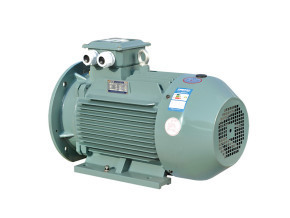
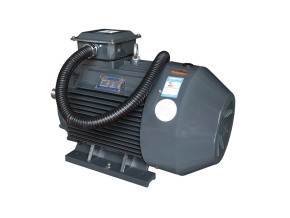
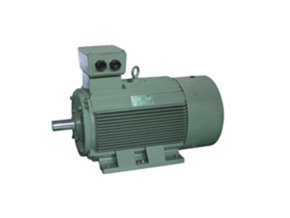
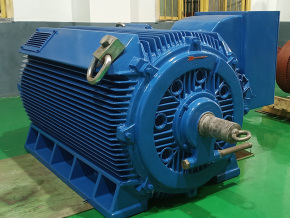
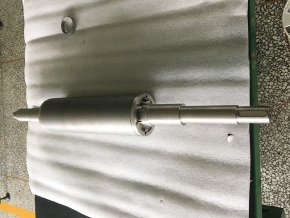
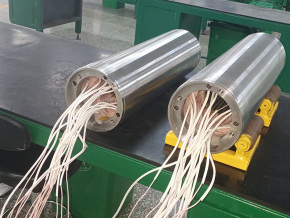
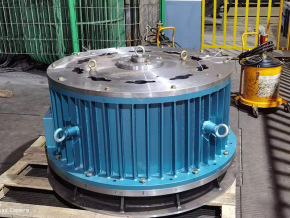
Permanent magnet motors (PM motors) are increasingly vital in the transportation sector, particularly in various innovative transportation devices and components. These motors utilize permanent magnets to create a magnetic field, which eliminates the need for electromagnetic coils and offers several advantages over traditional electric motors.
One of the primary benefits of permanent magnet motors is their high efficiency. They can achieve efficiency rates exceeding 90%, which makes them ideal for applications where energy conservation is crucial. In the context of transportation, this translates to reduced energy consumption and lower operating costs. Given the rising emphasis on sustainability and reducing carbon footprints, the efficiency of PM motors presents a significant advantage for transportation systems striving to minimize their environmental impact.
Additionally, permanent magnet motors boast a compact design and lightweight construction. This is especially important in transportation applications where space and weight are often at a premium. By integrating PM motors into vehicles, manufacturers can enhance performance while decreasing overall weight, leading to improved maneuverability and fuel efficiency. The smaller size also facilitates easier installation, making these motors suitable for a wide range of applications, from electric vehicles to trains and even marine propulsion systems.
Moreover, the torque characteristics of permanent magnet motors are noteworthy. They deliver high torque at low speeds, which is particularly beneficial for transportation applications that require quick acceleration and precise control. For instance, electric buses and trams equipped with PM motors can start and stop seamlessly, enhancing passenger comfort and safety. This responsive performance is essential in urban environments where frequent stops are the norm.
Another aspect to consider is the reliability and longevity of permanent magnet motors. With fewer moving parts and reduced mechanical wear compared to traditional motors, PM motors typically require less maintenance over their lifespan. This reliability is crucial for transportation systems that demand high operational uptime and minimal disruptions.
However, it’s important to note that while permanent magnet motors offer numerous advantages, they also come with challenges, such as the sourcing of rare earth materials used in magnets and potential temperature sensitivity. Thus, ongoing research and development are focused on improving material efficiency and developing alternative solutions to mitigate these challenges.
In summary, permanent magnet motors are revolutionizing the transportation industry by providing efficient, compact, and reliable solutions that align with the growing need for sustainable practices. As technology advances, the role of PM motors in enhancing the performance of transportation devices and components will likely continue to expand, ushering in a new era of innovation in the sector.
One of the primary benefits of permanent magnet motors is their high efficiency. They can achieve efficiency rates exceeding 90%, which makes them ideal for applications where energy conservation is crucial. In the context of transportation, this translates to reduced energy consumption and lower operating costs. Given the rising emphasis on sustainability and reducing carbon footprints, the efficiency of PM motors presents a significant advantage for transportation systems striving to minimize their environmental impact.
Additionally, permanent magnet motors boast a compact design and lightweight construction. This is especially important in transportation applications where space and weight are often at a premium. By integrating PM motors into vehicles, manufacturers can enhance performance while decreasing overall weight, leading to improved maneuverability and fuel efficiency. The smaller size also facilitates easier installation, making these motors suitable for a wide range of applications, from electric vehicles to trains and even marine propulsion systems.
Moreover, the torque characteristics of permanent magnet motors are noteworthy. They deliver high torque at low speeds, which is particularly beneficial for transportation applications that require quick acceleration and precise control. For instance, electric buses and trams equipped with PM motors can start and stop seamlessly, enhancing passenger comfort and safety. This responsive performance is essential in urban environments where frequent stops are the norm.
Another aspect to consider is the reliability and longevity of permanent magnet motors. With fewer moving parts and reduced mechanical wear compared to traditional motors, PM motors typically require less maintenance over their lifespan. This reliability is crucial for transportation systems that demand high operational uptime and minimal disruptions.
However, it’s important to note that while permanent magnet motors offer numerous advantages, they also come with challenges, such as the sourcing of rare earth materials used in magnets and potential temperature sensitivity. Thus, ongoing research and development are focused on improving material efficiency and developing alternative solutions to mitigate these challenges.
In summary, permanent magnet motors are revolutionizing the transportation industry by providing efficient, compact, and reliable solutions that align with the growing need for sustainable practices. As technology advances, the role of PM motors in enhancing the performance of transportation devices and components will likely continue to expand, ushering in a new era of innovation in the sector.
recommend News

Wu Dejun: General Manager
Hu Pengbin: Marketing Director
Production site:
No.28, Huaiying Road, Gaoqiao Town, Changsha City, Hunan Province
Zip Code: 410145
Telephone:0731-86156236
ZhenHua Packing Machinery
Online consultation
Leave a message quickly and our experts will contact you
ZhenHua Packing Machinery
Business License

SAF Coolest v1.3.1.2 设置面板 GAGSD-ZGYF-JESSE-ZEA
无数据提示
Sorry, the current column is being updated, please look forward to it!
You can view other columns or returnHome Page