




How Industrial Permanent Magnet Motors Revolutionize Other Transportation Equipment
2026-02-11

How Industrial Permanent Magnet Motors Revolutionize Other Transportation Equipment
Table of Contents
1. Understanding Permanent Magnet Motors
2. The Mechanism Behind Permanent Magnet Motors
3. Advantages of Industrial Permanent Magnet Motors
4. Applications in Transportation Equipment
4.1 Electric Vehicles
4.2 Public Transport Systems
4.3 Freight and Cargo Solutions
4.4 Marine Applications
5. Energy Efficiency and Sustainability
6. Challenges in Implementing Permanent Magnet Motors
7. Future Trends in Transportation Equipment
8. FAQs about Industrial Permanent Magnet Motors
9. Conclusion
1. Understanding Permanent Magnet Motors
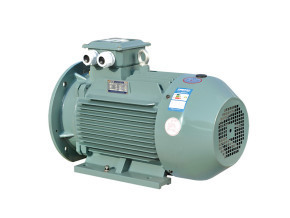
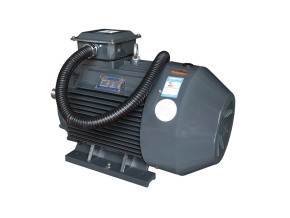
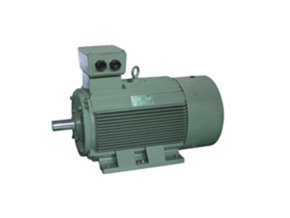
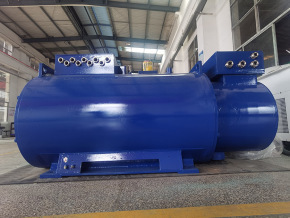
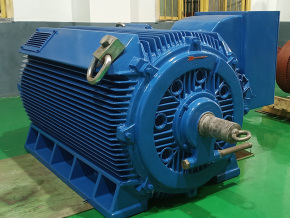
Industrial permanent magnet motors (IPMMs) have gained significant attention within the transportation sector due to their efficiency and versatility. Unlike traditional motors that rely on electromagnets, permanent magnet motors use permanent magnets to create a magnetic field. This fundamental shift in design leads to a range of benefits that are increasingly relevant in today's energy-conscious world.
2. The Mechanism Behind Permanent Magnet Motors
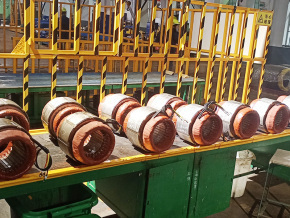
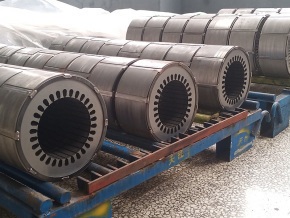
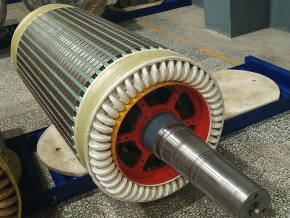
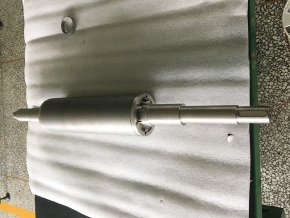
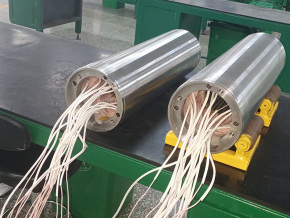
The operation of permanent magnet motors is grounded in electromagnetic principles. These motors consist of a rotor embedded with permanent magnets and a stator that produces a rotating magnetic field when powered. The interaction between the magnetic fields generates torque, propelling the motor. This high-efficiency design minimizes energy losses and enhances the motor's overall performance.
3. Advantages of Industrial Permanent Magnet Motors
The benefits of utilizing industrial permanent magnet motors in transportation equipment extend beyond mere efficiency. Key advantages include:
- **Higher Efficiency**: IPMMs can achieve up to 95% efficiency, significantly reducing energy consumption compared to traditional motors.
- **Compact Size**: The design allows for smaller, lighter motors without compromising performance, making them ideal for space-constrained applications.
- **Low Maintenance**: With fewer moving parts and no need for brushes, these motors require less maintenance and have longer lifespans.
- **Reduced Noise Levels**: The operation of permanent magnet motors produces less noise, contributing to quieter transportation solutions.
- **Enhanced Control**: Their design allows for precise control of speed and torque, making them suitable for various applications.
4. Applications in Transportation Equipment
Industrial permanent magnet motors have found their way into numerous applications across the transportation sector, driving innovation and efficiency.
4.1 Electric Vehicles
Electric vehicles (EVs) are at the forefront of the automotive revolution, and permanent magnet motors play a pivotal role in their success. These motors enable efficient energy use, providing the necessary torque for acceleration while maintaining range and speed. As EV technology advances, the integration of IPMMs will enhance performance and sustainability.
4.2 Public Transport Systems
Public transportation, including trams and buses, is rapidly adopting permanent magnet motors to improve service efficiency. These systems benefit from the motors' low maintenance requirements and energy efficiency, resulting in reduced operational costs and minimal environmental impact.
4.3 Freight and Cargo Solutions
In freight transportation, the efficiency and durability of permanent magnet motors are invaluable. They facilitate the movement of goods across various modalities, including trains and ships, ensuring that cargo is transported effectively. The reliability of these motors contributes to enhanced logistics and supply chain management.
4.4 Marine Applications
The marine industry is also witnessing a shift toward the use of permanent magnet motors. From powering electric propulsion systems to reducing emissions, these motors offer a sustainable alternative for vessels. As regulations become stricter regarding emissions, marine applications of IPMMs are likely to increase.
5. Energy Efficiency and Sustainability
With the global focus on sustainability, the energy efficiency of industrial permanent magnet motors aligns perfectly with environmental goals. By reducing energy consumption, these motors contribute to a decrease in greenhouse gas emissions, making transportation cleaner and more sustainable. Their ability to recover energy during braking further enhances their eco-friendliness, showcasing the potential for greener transportation solutions.
6. Challenges in Implementing Permanent Magnet Motors
Despite their numerous benefits, the adoption of industrial permanent magnet motors is not without challenges. High manufacturing costs, particularly for rare earth materials used in magnets, can pose significant challenges. Additionally, the need for specialized knowledge and technology can limit their widespread implementation. Addressing these issues will be crucial for the continued growth and integration of IPMMs in the transportation sector.
7. Future Trends in Transportation Equipment
The future of transportation equipment will likely see an increased prevalence of industrial permanent magnet motors. As technology advances and manufacturing processes improve, costs are expected to decrease, making these motors more accessible. Additionally, innovations in magnet technology may lead to even more efficient and powerful motors. The ongoing push for electrification in transportation will further cement the role of IPMMs as a cornerstone of modern transportation solutions.
8. FAQs about Industrial Permanent Magnet Motors
What are industrial permanent magnet motors?
Industrial permanent magnet motors are electric motors that utilize permanent magnets to generate a magnetic field, improving efficiency and performance compared to traditional motors.
How do permanent magnet motors work?
They work by having a rotor with embedded permanent magnets and a stator that produces a rotating magnetic field when powered, which creates torque to drive the motor.
What are the advantages of using permanent magnet motors in transportation?
Key advantages include higher efficiency, compact size, low maintenance, reduced noise, and enhanced control, making them ideal for various transportation applications.
What industries benefit from permanent magnet motors?
Industries such as automotive (electric vehicles), public transportation, freight and cargo, and marine operations benefit from the integration of permanent magnet motors.
What challenges are associated with permanent magnet motor implementation?
Challenges include high manufacturing costs, reliance on rare earth materials, and the need for specialized knowledge and technology for optimal use.
9. Conclusion
In conclusion, industrial permanent magnet motors are transforming the landscape of transportation equipment. Their efficiency, compact design, and low maintenance requirements make them an attractive choice for a variety of applications, from electric vehicles to public transport systems. As the industry continues to innovate and overcome existing challenges, the role of permanent magnet motors will only expand, paving the way for a more sustainable and efficient future in transportation. Embracing these technological advancements is crucial as we seek to improve our transportation infrastructure and reduce our carbon footprint.
recommend News

Wu Dejun: General Manager
Hu Pengbin: Marketing Director
Production site:
No.28, Huaiying Road, Gaoqiao Town, Changsha City, Hunan Province
Zip Code: 410145
Telephone:0731-86156236
ZhenHua Packing Machinery
Online consultation
Leave a message quickly and our experts will contact you
ZhenHua Packing Machinery
Business License

SAF Coolest v1.3.1.2 设置面板 GAGSD-ZGYF-JESSE-ZEA
无数据提示
Sorry, the current column is being updated, please look forward to it!
You can view other columns or returnHome Page