




How Rail Transit Motors Revolutionize Efficiency in Public Transport Systems
2026-02-09

How Rail Transit Motors Revolutionize Efficiency in Public Transport Systems
Table of Contents
- Introduction to Rail Transit Motors
- Understanding Rail Transit Motors
- Benefits of Rail Transit Motors in Public Transport
- Case Studies: Successful Implementation of Rail Transit Motors
- Future Trends in Rail Transit Motors
- Challenges and Solutions in Implementing Rail Transit Motors
- Conclusion
- FAQs
Introduction to Rail Transit Motors
In the realm of public transportation, efficiency is paramount. As cities grow and the demand for effective mobility solutions intensifies, rail transit systems emerge as a crucial component of urban infrastructure. **Rail transit motors** play a pivotal role in enhancing the efficiency and reliability of these systems. They not only drive the trains but also contribute to a sustainable and economically viable public transport solution. In this article, we will explore how rail transit motors enhance efficiency in public transport systems through various technological advancements, benefits, and future trends.
Understanding Rail Transit Motors
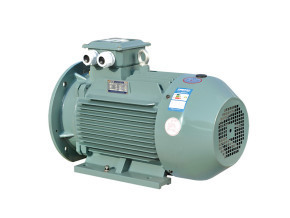
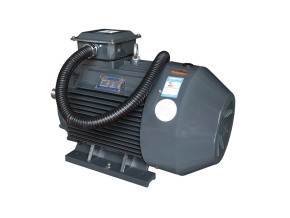
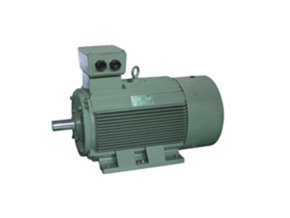
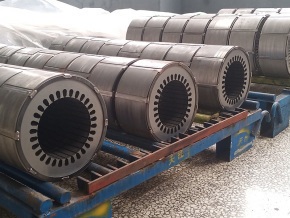
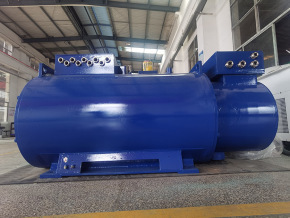
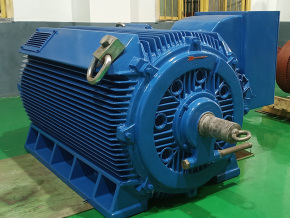
Rail transit motors are essential components of electric trains, responsible for propelling them along tracks. They convert electrical energy into mechanical energy, which drives the wheels. Understanding these motors is fundamental in appreciating their impact on public transport efficiency.
Types of Rail Transit Motors
There are primarily two types of rail transit motors: **DC (Direct Current) motors** and **AC (Alternating Current) motors**.
1. **DC Motors**: Traditionally used in rail systems, DC motors provide excellent torque and are simpler to control for low-speed applications. They are ideal for older rail systems.
2. **AC Motors**: With advancements in technology, AC motors have become increasingly popular. They are more efficient, require less maintenance, and are better suited for high-speed applications. **Permanent Magnet Synchronous Motors (PMSMs)** and **Induction Motors** are two common subtypes of AC motors used in rail transit systems.
How Rail Transit Motors Work
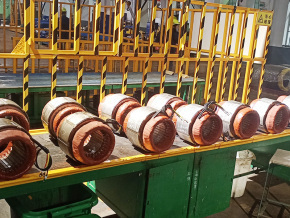
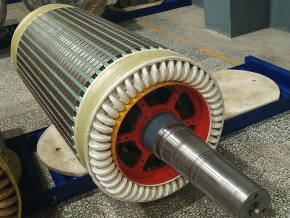
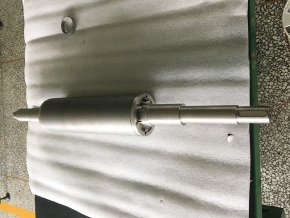
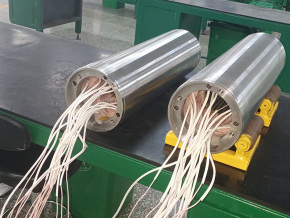
Rail transit motors function on the principles of electromagnetism. When electrical current passes through the motor windings, it creates a magnetic field that interacts with the permanent magnets or stators, causing the rotor to turn. This rotational movement is transferred to the wheels via gears, propelling the train forward. **Advanced control systems** manage the speed and torque, ensuring smooth acceleration and deceleration, which significantly enhances the passenger experience.
Benefits of Rail Transit Motors in Public Transport
The integration of advanced rail transit motors into public transport systems offers numerous benefits that directly enhance efficiency and operational effectiveness.
Enhanced Energy Efficiency
Energy efficiency is one of the most significant advantages of modern rail transit motors, particularly AC motors. These motors consume less energy while delivering high performance, reducing the overall energy footprint of public transportation systems. As cities strive for sustainability, the shift towards energy-efficient rail motors aligns with environmental goals. It also translates into lower operating costs for transport authorities, allowing for reinvestment into service improvements.
Improved Reliability and Performance
Rail transit motors are designed for durability and long service life. Their robust construction and technological advancements lead to fewer breakdowns and lower maintenance needs. High-performance motors ensure that trains run on schedule, enhancing the overall reliability of public transport systems. Passengers benefit from fewer delays and more consistent service, making rail travel a more attractive option.
Reduction in Operational Costs
Operational costs are a crucial factor for public transport systems. The implementation of efficient rail transit motors significantly reduces costs related to energy consumption and maintenance. With modern motors operating at higher efficiencies, transit authorities can allocate resources more effectively, potentially lowering fares for passengers.
Case Studies: Successful Implementation of Rail Transit Motors
Examining successful implementations of rail transit motors provides valuable insights into their efficiency benefits.
**Case Study 1: The London Underground**
The London Underground invested in upgrading their fleet with energy-efficient AC motors. This transition resulted in a reported **30% reduction in energy consumption**. Moreover, the reliability of services improved, with fewer disruptions and enhanced passenger satisfaction.
**Case Study 2: The New York City Subway**
New York City's subway system has been gradually replacing older DC motors with modern AC systems. This upgrade has led to substantial savings in both operational costs and energy use, affirming the decision to modernize their fleet.
Future Trends in Rail Transit Motors
As technology continues to evolve, the future of rail transit motors looks promising. Innovations such as **smart motors** equipped with IoT capabilities will enable real-time monitoring and predictive maintenance, further enhancing operational efficiency. The integration of advanced materials and designs may also lead to even lighter, more efficient motors, improving acceleration and energy efficiency.
Additionally, the movement towards electrification and the development of hybrid systems will play a crucial role in the future of rail transit motors. These advancements will help public transport systems continue to reduce their carbon footprints while meeting the increasing demands of urban populations.
Challenges and Solutions in Implementing Rail Transit Motors
While the benefits of rail transit motors are clear, several challenges exist in their implementation. These include the high initial costs of upgrading systems and the need for specialized maintenance skills.
**Solution Strategies**:
1. **Government Incentives**: Encouraging public-private partnerships and offering incentives can help offset initial costs for transit authorities.
2. **Training Programs**: Developing training programs for technicians in modern motor maintenance will ensure that the workforce is equipped with the necessary skills to handle advanced technologies.
Conclusion
Rail transit motors play a vital role in enhancing the efficiency of public transport systems. By understanding their types, operations, and the benefits they bring, transit authorities can make informed decisions about upgrading their fleets. The shift toward energy-efficient motors not only improves reliability and performance but also contributes to sustainability goals. As we look to the future, continued innovations in rail transit motor technology promise to shape the next generation of public transportation, making it more efficient, reliable, and environmentally friendly.
FAQs
**1. What are the main types of rail transit motors?**
The two main types are DC (Direct Current) motors and AC (Alternating Current) motors, with AC motors being more prevalent in modern applications due to their efficiency and reliability.
**2. How do rail transit motors improve energy efficiency?**
Modern rail transit motors, particularly AC motors, operate more efficiently than older DC motors, resulting in less energy consumption and lower operational costs.
**3. What is the expected lifespan of rail transit motors?**
Typically, well-maintained rail transit motors can last anywhere from 15 to 30 years, depending on their design and operational conditions.
**4. Can rail transit motors be retrofitted to existing systems?**
Yes, many rail transit systems can retrofit their existing motors with modern, energy-efficient options to enhance performance and reduce costs.
**5. What role do rail transit motors play in sustainability?**
By improving energy efficiency and reducing operational costs, rail transit motors contribute to the overall sustainability goals of public transport systems, helping to lower emissions and promote greener urban mobility solutions.
recommend News

Wu Dejun: General Manager
Hu Pengbin: Marketing Director
Production site:
No.28, Huaiying Road, Gaoqiao Town, Changsha City, Hunan Province
Zip Code: 410145
Telephone:0731-86156236
ZhenHua Packing Machinery
Online consultation
Leave a message quickly and our experts will contact you
ZhenHua Packing Machinery
Business License

SAF Coolest v1.3.1.2 设置面板 GAGSD-ZGYF-JESSE-ZEA
无数据提示
Sorry, the current column is being updated, please look forward to it!
You can view other columns or returnHome Page