




Understanding Subway Motors: Key Components of Urban Transit Systems
2026-02-08

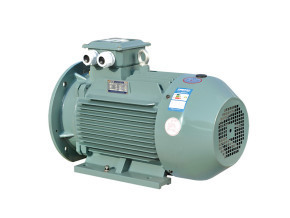
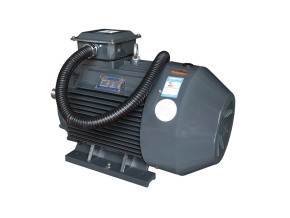
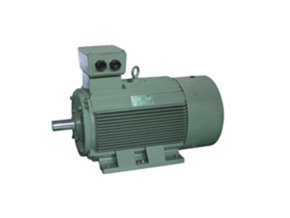
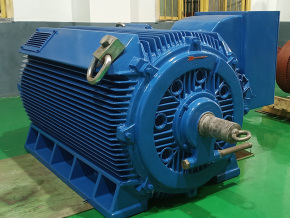
Subway motors play a critical role in the operation of urban transit systems, serving as the driving force behind the movement of trains. These motors are typically electric and are designed to provide the necessary torque and speed needed to propel subway cars efficiently and reliably. Understanding the functionality and components of subway motors is crucial for transportation professionals, engineers, and maintenance teams.
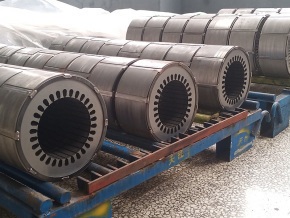
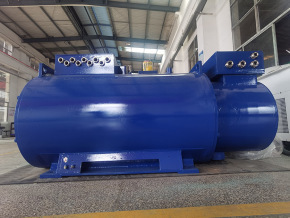
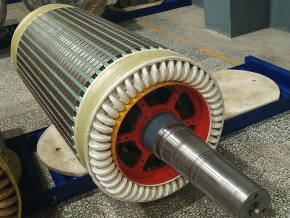
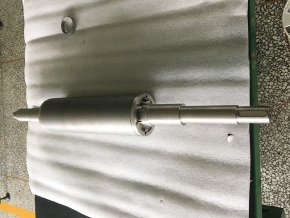
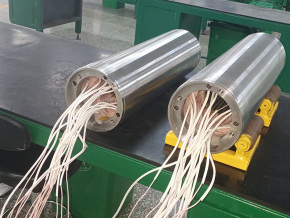
One of the primary types of subway motors is the traction motor, which is specifically designed to convert electrical energy into mechanical energy. This conversion is essential for the acceleration and deceleration of subway trains, allowing for smooth and efficient operation. Traction motors are usually mounted on the axles of the train, enabling direct drive to the wheels. The performance of these motors is influenced by factors such as voltage, current, and the design of the motor itself, making them a critical focus for engineering teams looking to enhance efficiency and performance.
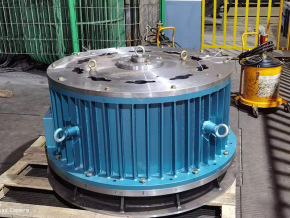
In addition to traction motors, subway systems often employ auxiliary motors for various functions. These may include powering air conditioning, lighting, and other onboard systems necessary for passenger comfort and safety. Understanding the role of these auxiliary motors is equally important, as they contribute to the overall efficiency and reliability of the subway system.
Maintenance of subway motors is a vital aspect of ensuring the longevity and performance of urban transit systems. Regular inspections, monitoring of electrical components, and timely repairs can prevent breakdowns and enhance safety for passengers. Key maintenance tasks include checking for wear and tear, ensuring proper lubrication of moving parts, and monitoring electrical connections for signs of corrosion or damage. By prioritizing maintenance, transportation agencies can minimize downtime and improve the overall reliability of their services.
Moreover, as cities continue to grow and evolve, the demand for efficient and sustainable transportation solutions is increasing. Subway motors are at the forefront of this evolution, with advancements in technology leading to the development of more energy-efficient and environmentally friendly options. Innovations such as regenerative braking systems are becoming more prevalent, allowing trains to recycle energy during braking, further enhancing the sustainability of subway systems.
In conclusion, subway motors are a fundamental component of urban transportation systems, providing the necessary power to move trains effectively. By understanding their functionalities, types, and maintenance needs, professionals in the transportation sector can contribute to the development of more efficient and reliable subway networks. As technology advances, the future of subway motors looks promising, paving the way for enhanced urban mobility solutions.
One of the primary types of subway motors is the traction motor, which is specifically designed to convert electrical energy into mechanical energy. This conversion is essential for the acceleration and deceleration of subway trains, allowing for smooth and efficient operation. Traction motors are usually mounted on the axles of the train, enabling direct drive to the wheels. The performance of these motors is influenced by factors such as voltage, current, and the design of the motor itself, making them a critical focus for engineering teams looking to enhance efficiency and performance.
In addition to traction motors, subway systems often employ auxiliary motors for various functions. These may include powering air conditioning, lighting, and other onboard systems necessary for passenger comfort and safety. Understanding the role of these auxiliary motors is equally important, as they contribute to the overall efficiency and reliability of the subway system.
Maintenance of subway motors is a vital aspect of ensuring the longevity and performance of urban transit systems. Regular inspections, monitoring of electrical components, and timely repairs can prevent breakdowns and enhance safety for passengers. Key maintenance tasks include checking for wear and tear, ensuring proper lubrication of moving parts, and monitoring electrical connections for signs of corrosion or damage. By prioritizing maintenance, transportation agencies can minimize downtime and improve the overall reliability of their services.
Moreover, as cities continue to grow and evolve, the demand for efficient and sustainable transportation solutions is increasing. Subway motors are at the forefront of this evolution, with advancements in technology leading to the development of more energy-efficient and environmentally friendly options. Innovations such as regenerative braking systems are becoming more prevalent, allowing trains to recycle energy during braking, further enhancing the sustainability of subway systems.
In conclusion, subway motors are a fundamental component of urban transportation systems, providing the necessary power to move trains effectively. By understanding their functionalities, types, and maintenance needs, professionals in the transportation sector can contribute to the development of more efficient and reliable subway networks. As technology advances, the future of subway motors looks promising, paving the way for enhanced urban mobility solutions.
recommend News

Wu Dejun: General Manager
Hu Pengbin: Marketing Director
Production site:
No.28, Huaiying Road, Gaoqiao Town, Changsha City, Hunan Province
Zip Code: 410145
Telephone:0731-86156236
ZhenHua Packing Machinery
Online consultation
Leave a message quickly and our experts will contact you
ZhenHua Packing Machinery
Business License

SAF Coolest v1.3.1.2 设置面板 GAGSD-ZGYF-JESSE-ZEA
无数据提示
Sorry, the current column is being updated, please look forward to it!
You can view other columns or returnHome Page