




How Industrial Motors Enhance Performance in Various Transportation Applications
2026-02-07

How Industrial Motors Enhance Performance in Various Transportation Applications
Table of Contents
- 1. Introduction to Industrial Motors in Transportation
- 2. The Importance of Industrial Motors in Transportation Systems
- 3. Types of Industrial Motors Used in Transportation
- 4. Applications of Industrial Motors in Different Transportation Modes
- 5. Key Benefits of Using Industrial Motors in Transportation
- 6. Emerging Trends in Industrial Motors for Transportation Applications
- 7. Challenges Faced by Industrial Motors in Transportation
- 8. The Future of Industrial Motors in Transportation
- 9. FAQs
- 10. Conclusion
1. Introduction to Industrial Motors in Transportation
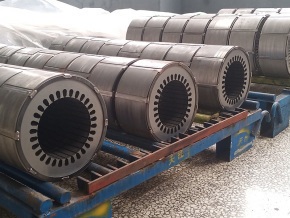
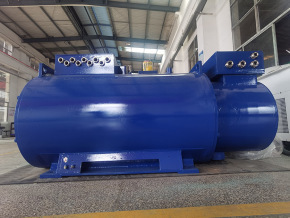
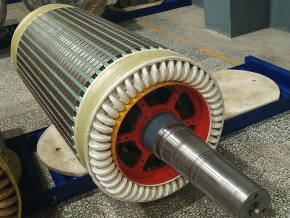
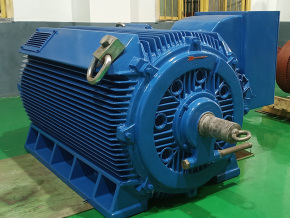
Industrial motors play a pivotal role in enhancing operational efficiency across various transportation applications. From powering electric vehicles to driving critical systems in rail and maritime transport, these motors are fundamental to the modern transportation ecosystem. They facilitate improved speed, reliability, and energy efficiency, ultimately leading to enhanced performance.
2. The Importance of Industrial Motors in Transportation Systems
The transportation sector is integral to global commerce and mobility. Industrial motors provide the necessary power to various components, ensuring smooth operations and safety. Their importance can be summarized as follows:
- **Efficiency**: Industrial motors optimize energy consumption, helping transport companies reduce operational costs.
- **Reliability**: With robust designs, these motors are built to withstand demanding environments, minimizing downtime.
- **Performance**: Enhanced torque and speed characteristics allow vehicles to perform better under diverse conditions.
- **Sustainability**: Electric industrial motors contribute to cleaner transportation options, supporting global sustainability goals.
3. Types of Industrial Motors Used in Transportation
Several types of industrial motors are employed in transportation applications, each serving unique purposes:
3.1 AC Motors
Alternating Current (AC) motors are widely used due to their efficiency and relatively low maintenance requirements. They are particularly common in large vehicles like buses and trucks.
3.2 DC Motors
Direct Current (DC) motors offer precise speed control, making them suitable for applications requiring variable speed, such as electric vehicles.
3.3 Stepper Motors
Stepper motors provide high precision and control, often used in automated transportation systems and robotics.
3.4 Servo Motors
Servo motors are essential for applications needing rapid response and accuracy, such as in robotic arms used in cargo handling.
4. Applications of Industrial Motors in Different Transportation Modes
Industrial motors have found applications across various transportation modes, delivering enhanced performance and capabilities.
4.1 Automotive Industry
In the automotive sector, industrial motors are crucial for electric and hybrid vehicles. They drive both the vehicle and auxiliary functions, such as power steering and regenerative braking systems. The evolution of electric vehicles (EVs) highlights the significance of efficient motors in achieving longer ranges and better overall performance.
4.2 Railway Systems
Railway systems leverage industrial motors for propulsion, signaling, and safety systems. High-speed trains utilize powerful AC motors to achieve remarkable speeds while maintaining safety standards. The integration of advanced motors enhances the reliability and efficiency of rail networks.
4.3 Maritime Transport
In maritime transport, industrial motors power everything from cargo cranes to propulsion systems in ships. The adaptation of electric motors in hybrid vessels is a growing trend, leading to reduced emissions and improved fuel efficiency.
4.4 Aviation Sector
Aviation relies on industrial motors for various functions, including onboard systems and ground support equipment. The development of electric propulsion systems signals a shift toward more sustainable practices in aviation.
5. Key Benefits of Using Industrial Motors in Transportation
The use of industrial motors in transportation brings multiple benefits:
- **Cost Savings**: Reduced fuel consumption and lower maintenance costs translate into significant savings for transportation companies.
- **Increased Productivity**: Enhanced performance allows for faster turnaround times and improved service delivery.
- **Flexibility and Scalability**: Industrial motors can adapt to changing transportation needs, supporting both electrification and automation trends.
- **Better Safety**: Reliable motor performance contributes to enhanced safety measures across all transportation modes.
6. Emerging Trends in Industrial Motors for Transportation Applications
Several emerging trends are shaping the future of industrial motors in transportation:
6.1 Electrification
The shift towards electric and hybrid vehicles is leading to increased demand for efficient industrial motors. This trend is critical in meeting regulatory requirements and consumer expectations for sustainability.
6.2 Smart Technologies
Integrating smart technologies into industrial motors allows for real-time monitoring and predictive maintenance, enhancing performance and reducing downtime.
6.3 Green Technologies
The adoption of eco-friendly materials and designs in motor manufacturing is reducing environmental impact, contributing to the overall sustainability of the transportation industry.
7. Challenges Faced by Industrial Motors in Transportation
Despite their advantages, industrial motors face several challenges in the transportation sector:
- **Temperature Sensitivity**: Motors operating in extreme conditions may experience performance degradation.
- **Weight Constraints**: The need for lightweight components can conflict with the durability requirements of motors.
- **Cost of Technology**: While advanced motors offer numerous benefits, the initial investment can be a barrier for some companies.
8. The Future of Industrial Motors in Transportation
The future of industrial motors in transportation looks promising, driven by innovation and the need for higher efficiency. As the industry continues to evolve, we can expect:
- Greater reliance on electric and hybrid technologies.
- Continued advancements in motor design and materials.
- Enhanced integration of IoT technologies for better performance monitoring and management.
9. FAQs
What are industrial motors?
Industrial motors are machines that convert electrical energy into mechanical energy, powering various applications in diverse sectors, including transportation.
How do industrial motors improve energy efficiency in transportation?
By optimizing power consumption and providing reliable performance, industrial motors help transportation systems operate more efficiently, reducing energy costs.
What types of industrial motors are commonly used in electric vehicles?
Electric vehicles commonly use DC motors for their precise control and AC motors for their efficiency and power.
Are industrial motors environmentally friendly?
Many industrial motors, particularly electric ones, contribute to reduced emissions and energy consumption, aligning with sustainability goals.
What challenges do industrial motors face in the transportation industry?
Challenges include temperature sensitivity, weight constraints, and the high cost of advanced technologies.
10. Conclusion
Industrial motors are integral to enhancing performance across various transportation applications. By improving efficiency, reliability, and sustainability, these motors play a crucial role in driving the future of transportation. As technology continues to advance, the impact of industrial motors will only grow, supporting innovations that will reshape how we move goods and people. Understanding their importance and embracing emerging trends will be vital for stakeholders in the transportation sector looking to thrive in an increasingly competitive landscape.
recommend News

Wu Dejun: General Manager
Hu Pengbin: Marketing Director
Production site:
No.28, Huaiying Road, Gaoqiao Town, Changsha City, Hunan Province
Zip Code: 410145
Telephone:0731-86156236
ZhenHua Packing Machinery
Online consultation
Leave a message quickly and our experts will contact you
ZhenHua Packing Machinery
Business License

SAF Coolest v1.3.1.2 设置面板 GAGSD-ZGYF-JESSE-ZEA
无数据提示
Sorry, the current column is being updated, please look forward to it!
You can view other columns or returnHome Page