




Understanding High-Efficiency Motors: A Key Component in Transportation Innovation
2026-02-06

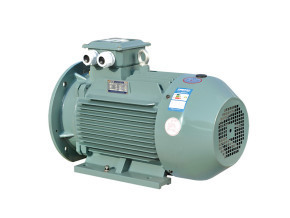
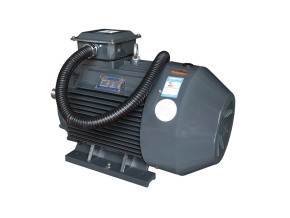
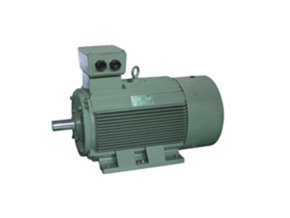
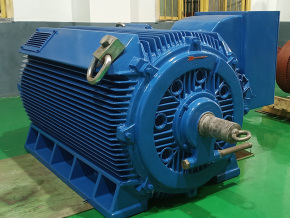
High-efficiency motors are becoming increasingly vital in the transportation sector, particularly within the realm of various transportation devices and components. These motors are designed to provide superior performance while minimizing energy consumption, making them an essential choice for businesses aiming to enhance their operational efficiency.
One of the primary advantages of high-efficiency motors is their ability to reduce energy consumption significantly. Unlike traditional motors, these state-of-the-art systems are engineered to convert electrical energy into mechanical energy more effectively. This efficiency not only translates to lower operational costs but also contributes to a reduction in greenhouse gas emissions. As sustainability becomes a focal point in the transportation industry, the adoption of high-efficiency motors aligns with the global push towards eco-friendly practices.
In applications across the transportation sector, high-efficiency motors can be used in a variety of devices, including electric vehicles, trains, and other transportation equipment. Their design allows for optimal performance even in demanding conditions, such as varying load requirements and environmental factors. This adaptability ensures that transportation systems can maintain high levels of reliability, which is crucial for meeting the ever-growing demands for timely and efficient services.
Moreover, high-efficiency motors often come equipped with advanced features such as speed control and enhanced thermal management. These features not only improve the overall functionality of the units but also extend their lifespan, resulting in lower maintenance costs and fewer replacements. For transportation businesses, investing in high-efficiency motors is not just about immediate cost savings; it's also about long-term sustainability and reliability.
Another significant benefit of high-efficiency motors in transportation is their role in promoting regulatory compliance. With increasing government regulations aimed at reducing energy consumption and emissions, utilizing these motors can help businesses meet requisite standards and avoid potential penalties. This compliance not only enhances a company's reputation but also opens up opportunities for partnerships with other eco-conscious organizations and consumers.
In conclusion, high-efficiency motors represent a crucial advancement in the transportation sector. Their ability to reduce energy consumption, enhance performance, and promote sustainability makes them an invaluable asset for any transportation operation. As the industry continues to evolve, integrating high-efficiency motors will likely become a standard practice, paving the way for a more sustainable and efficient future in transportation. Embracing this technology now positions businesses at the forefront of innovation, ensuring they remain competitive in an increasingly eco-focused marketplace.
One of the primary advantages of high-efficiency motors is their ability to reduce energy consumption significantly. Unlike traditional motors, these state-of-the-art systems are engineered to convert electrical energy into mechanical energy more effectively. This efficiency not only translates to lower operational costs but also contributes to a reduction in greenhouse gas emissions. As sustainability becomes a focal point in the transportation industry, the adoption of high-efficiency motors aligns with the global push towards eco-friendly practices.
In applications across the transportation sector, high-efficiency motors can be used in a variety of devices, including electric vehicles, trains, and other transportation equipment. Their design allows for optimal performance even in demanding conditions, such as varying load requirements and environmental factors. This adaptability ensures that transportation systems can maintain high levels of reliability, which is crucial for meeting the ever-growing demands for timely and efficient services.
Moreover, high-efficiency motors often come equipped with advanced features such as speed control and enhanced thermal management. These features not only improve the overall functionality of the units but also extend their lifespan, resulting in lower maintenance costs and fewer replacements. For transportation businesses, investing in high-efficiency motors is not just about immediate cost savings; it's also about long-term sustainability and reliability.
Another significant benefit of high-efficiency motors in transportation is their role in promoting regulatory compliance. With increasing government regulations aimed at reducing energy consumption and emissions, utilizing these motors can help businesses meet requisite standards and avoid potential penalties. This compliance not only enhances a company's reputation but also opens up opportunities for partnerships with other eco-conscious organizations and consumers.
In conclusion, high-efficiency motors represent a crucial advancement in the transportation sector. Their ability to reduce energy consumption, enhance performance, and promote sustainability makes them an invaluable asset for any transportation operation. As the industry continues to evolve, integrating high-efficiency motors will likely become a standard practice, paving the way for a more sustainable and efficient future in transportation. Embracing this technology now positions businesses at the forefront of innovation, ensuring they remain competitive in an increasingly eco-focused marketplace.
recommend News

Wu Dejun: General Manager
Hu Pengbin: Marketing Director
Production site:
No.28, Huaiying Road, Gaoqiao Town, Changsha City, Hunan Province
Zip Code: 410145
Telephone:0731-86156236
ZhenHua Packing Machinery
Online consultation
Leave a message quickly and our experts will contact you
ZhenHua Packing Machinery
Business License

SAF Coolest v1.3.1.2 设置面板 GAGSD-ZGYF-JESSE-ZEA
无数据提示
Sorry, the current column is being updated, please look forward to it!
You can view other columns or returnHome Page