




Understanding Rail Transit Motors: The Power Behind Modern Transportation
2026-02-02

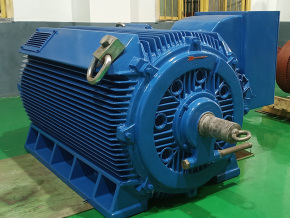
Rail transit motors play a crucial role in the operation of modern rail systems, powering everything from light rail vehicles to heavy freight trains. These motors are specifically designed to meet the unique demands of rail transportation, where efficiency, reliability, and performance are paramount. Understanding the fundamentals of rail transit motors can provide valuable insights into their importance in the transportation sector.
At the core of rail transit motors is their ability to convert electrical energy into mechanical energy, facilitating movement along tracks. Typically, these motors utilize alternating current (AC) or direct current (DC) technologies, each with distinct advantages and applications. AC motors are often favored for their efficiency and durability, especially in high-speed train applications, while DC motors are commonly used in older systems and smaller transit vehicles.
One of the most significant advancements in rail transit motors has been the development of traction motors. These specialized motors are designed to provide high torque at low speeds, allowing trains to accelerate quickly and maintain speed on inclines. Traction motors are often incorporated into the wheel assemblies of trains, ensuring a direct transfer of power to the wheels. This integration enhances the overall performance of rail systems, contributing to smoother rides and improved energy efficiency.
Additionally, modern rail transit motors are increasingly being coupled with sophisticated control systems that optimize their performance. These systems allow for precise management of power delivery, ensuring that motors operate efficiently under varying conditions. By monitoring factors such as speed, load, and operating temperature, these controls can adjust the motor's performance to maximize efficiency and reduce wear, ultimately extending the motor's lifespan.
In recent years, there has also been a growing focus on sustainability within the transportation sector, and rail transit motors are no exception. Innovations in electric and hybrid motor designs are paving the way for more environmentally friendly rail solutions. These advancements not only reduce greenhouse gas emissions but also decrease dependence on fossil fuels, aligning with global efforts to enhance sustainability in transportation.
In conclusion, rail transit motors are a fundamental component of the transportation industry, driving the efficiency and reliability of rail systems. With ongoing advancements in technology and a shift towards more sustainable solutions, the future of rail transit motors looks promising. Understanding their mechanisms and benefits can empower stakeholders in the transportation sector to make informed decisions that enhance operational efficiency and contribute to sustainable practices.
At the core of rail transit motors is their ability to convert electrical energy into mechanical energy, facilitating movement along tracks. Typically, these motors utilize alternating current (AC) or direct current (DC) technologies, each with distinct advantages and applications. AC motors are often favored for their efficiency and durability, especially in high-speed train applications, while DC motors are commonly used in older systems and smaller transit vehicles.
One of the most significant advancements in rail transit motors has been the development of traction motors. These specialized motors are designed to provide high torque at low speeds, allowing trains to accelerate quickly and maintain speed on inclines. Traction motors are often incorporated into the wheel assemblies of trains, ensuring a direct transfer of power to the wheels. This integration enhances the overall performance of rail systems, contributing to smoother rides and improved energy efficiency.
Additionally, modern rail transit motors are increasingly being coupled with sophisticated control systems that optimize their performance. These systems allow for precise management of power delivery, ensuring that motors operate efficiently under varying conditions. By monitoring factors such as speed, load, and operating temperature, these controls can adjust the motor's performance to maximize efficiency and reduce wear, ultimately extending the motor's lifespan.
In recent years, there has also been a growing focus on sustainability within the transportation sector, and rail transit motors are no exception. Innovations in electric and hybrid motor designs are paving the way for more environmentally friendly rail solutions. These advancements not only reduce greenhouse gas emissions but also decrease dependence on fossil fuels, aligning with global efforts to enhance sustainability in transportation.
In conclusion, rail transit motors are a fundamental component of the transportation industry, driving the efficiency and reliability of rail systems. With ongoing advancements in technology and a shift towards more sustainable solutions, the future of rail transit motors looks promising. Understanding their mechanisms and benefits can empower stakeholders in the transportation sector to make informed decisions that enhance operational efficiency and contribute to sustainable practices.
recommend News

Wu Dejun: General Manager
Hu Pengbin: Marketing Director
Production site:
No.28, Huaiying Road, Gaoqiao Town, Changsha City, Hunan Province
Zip Code: 410145
Telephone:0731-86156236
ZhenHua Packing Machinery
Online consultation
Leave a message quickly and our experts will contact you
ZhenHua Packing Machinery
Business License

SAF Coolest v1.3.1.2 设置面板 GAGSD-ZGYF-JESSE-ZEA
无数据提示
Sorry, the current column is being updated, please look forward to it!
You can view other columns or returnHome Page