




The Unsung Heroes of Transit: A Comprehensive Guide to Subway Motor Technology
2026-02-01

The Unsung Heroes of Transit: Understanding Subway Motor Technology
Table of Contents
- 1. Introduction to Subway Motor Technology
- 2. What is Subway Motor Technology?
- 3. Types of Subway Motors: An Overview
- 4. Key Components of Subway Motors
- 5. How Subway Motors Work: The Mechanics Explained
- 6. Benefits of Subway Motor Technology for Urban Transit
- 7. Innovations Shaping the Future of Subway Motors
- 8. Challenges Facing Subway Motor Technology
- 9. Conclusion
- 10. FAQs about Subway Motor Technology
1. Introduction to Subway Motor Technology
In the bustling world of urban transit, subway systems play a pivotal role in connecting people and places. While passengers often focus on the experience of riding the train, the real magic happens behind the scenes, powered by sophisticated subway motor technology. This article seeks to uncover the intricacies of subway motors, highlighting their importance, functionality, and the innovations that continue to shape this essential aspect of public transportation.
2. What is Subway Motor Technology?
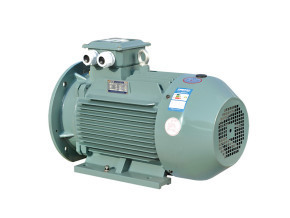
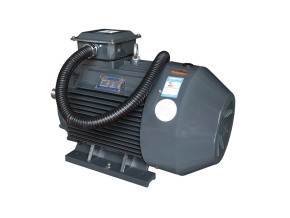
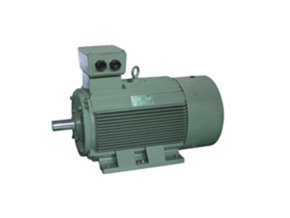
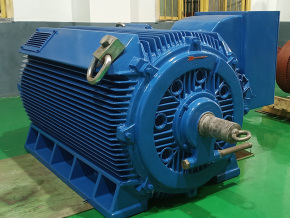
Subway motor technology refers to the specialized engineering and mechanics that drive electric trains in urban transit systems. These motors are crucial in converting electrical energy into mechanical energy, enabling trains to accelerate, decelerate, and smoothly navigate through tracks and stations. At first glance, they may seem like mundane components, but their role is fundamental in ensuring efficient, reliable, and safe transportation for millions of passengers daily.
2.1 The Evolution of Subway Motor Technology
Historically, subway motors have undergone significant advancements, evolving from basic designs to sophisticated systems that leverage modern technology. Early motors relied on direct current (DC) systems, which presented various challenges, such as limited efficiency and higher maintenance costs. Presently, alternating current (AC) motors have become the norm, offering better performance, energy efficiency, and less wear and tear over time.
3. Types of Subway Motors: An Overview
Subway motors primarily fall into two categories: DC motors and AC motors. Each type has its own unique characteristics, advantages, and applications within the subway system.
3.1 DC Motors
DC motors have long been used in subway systems due to their simplicity and ease of control. They provide high torque at low speeds, making them ideal for starting and stopping trains. However, they require regular maintenance due to brush wear and other mechanical issues.
3.2 AC Motors
AC motors are increasingly favored in modern subway systems. They are more efficient than DC motors, capable of delivering power with minimal energy loss. Additionally, AC motors utilize variable frequency drives (VFDs) to control speed and torque, allowing for smoother acceleration and deceleration, ultimately enhancing passenger comfort.
4. Key Components of Subway Motors
Understanding subway motor technology involves examining the critical components that contribute to their functionality.
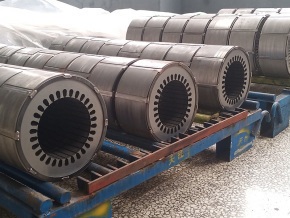
4.1 Stator
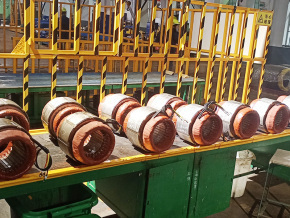
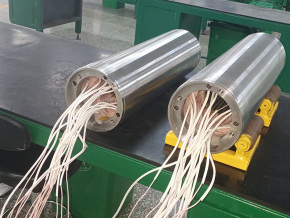
The stator is the stationary part of the motor that generates a magnetic field when electrical current flows through it. This magnetic field interacts with the rotor, producing the torque needed to drive the train.
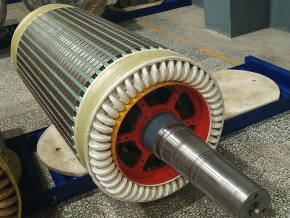
4.2 Rotor
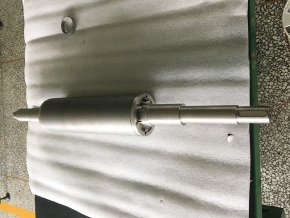
The rotor is the rotating part of the motor that is turned by the magnetic field produced by the stator. Its design and materials directly affect the motor's efficiency and performance.
4.3 Bearings
Bearings support the rotor and minimize friction, ensuring smooth operation. High-quality bearings are crucial for the longevity and reliability of subway motors.
4.4 Cooling Systems
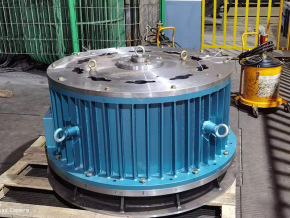
Subway motors generate heat during operation, necessitating effective cooling systems to maintain optimal performance. These systems can include ventilation, liquid cooling, and heat exchangers.
5. How Subway Motors Work: The Mechanics Explained
The functionality of subway motors hinges on electromagnetic principles. When an electric current flows through the motor, it generates a magnetic field that interacts with the rotor. This interaction creates rotational motion, ultimately propelling the train forward.
5.1 The Role of Power Supply
Subway motors receive power from the third rail or overhead wires, depending on the system's design. Power is then converted to the required voltage and frequency by the train's onboard systems, ensuring that the motors operate efficiently.
5.2 Control Systems
Modern subway motors are equipped with advanced control systems that manage speed, acceleration, and braking. These systems improve energy efficiency and passenger comfort by allowing for precise control of motor functions.
6. Benefits of Subway Motor Technology for Urban Transit
Subway motor technology brings numerous advantages to urban transit systems.
6.1 Energy Efficiency
Today’s AC motors are designed to maximize energy efficiency, reducing operating costs and minimizing environmental impact. By consuming less power, subway systems can save significantly on energy bills.
6.2 Reliability and Maintenance
Modern subway motors require less maintenance than traditional DC motors due to fewer moving parts and advanced materials. This reliability translates into reduced downtime for trains, ensuring consistent service for passengers.
6.3 Enhanced Passenger Experience
Subway motors that offer smooth acceleration and deceleration contribute to a more comfortable ride for passengers. Noise and vibration reduction technologies also enhance the overall experience.
7. Innovations Shaping the Future of Subway Motors
Recent innovations in subway motor technology are revolutionizing urban transit systems.
7.1 Regenerative Braking
Regenerative braking systems capture energy generated during braking and redirect it back to the power supply. This technology improves energy efficiency and reduces wear on traditional braking systems.
7.2 Smart Motor Controls
With the rise of the Internet of Things (IoT), smart motor controls are becoming prevalent. These systems use data analytics to optimize motor performance and predict maintenance needs, enhancing system reliability and efficiency.
7.3 Sustainable Materials
Research into sustainable materials for subway motor components is underway, aiming to reduce environmental impact while improving performance. Innovations in composite materials can lead to lighter, stronger, and more efficient motors.
8. Challenges Facing Subway Motor Technology
Despite significant advancements, subway motor technology faces several challenges that require ongoing attention.
8.1 Infrastructure Limitations
Many urban transit systems operate within outdated infrastructure, making it difficult to implement new technologies. Upgrading existing systems can be costly and time-consuming.
8.2 Cost Considerations
While innovations often lead to better performance, the initial investment for new subway motor technologies can be high. Transit agencies must carefully weigh the long-term benefits against upfront costs.
9. Conclusion
Subway motor technology is an essential, yet often overlooked, component of urban transit systems. As we have explored, these motors not only propel trains but also contribute to energy efficiency, passenger comfort, and the overall reliability of subway services. With ongoing innovations and a focus on sustainable practices, the future of subway motors promises to enhance urban transportation even further. It is clear that the unsung heroes of transit deserve recognition for their pivotal role in keeping our cities moving.
10. FAQs about Subway Motor Technology
10.1 What is the main function of subway motors?
Subway motors convert electrical energy into mechanical energy, allowing trains to move along the tracks.
10.2 How do AC and DC motors differ in subway applications?
AC motors are generally more efficient and require less maintenance than DC motors, making them preferable for modern subway systems.
10.3 What advancements are being made in subway motor technology?
Key advancements include regenerative braking systems, smart motor controls, and the use of sustainable materials in motor construction.
10.4 How does regenerative braking work in subway systems?
Regenerative braking captures energy generated during braking and returns it to the power supply, improving overall energy efficiency.
10.5 What challenges do subway motor technologies face?
Challenges include outdated infrastructure, high initial costs for new technologies, and the need for ongoing maintenance and upgrades.
recommend News

Wu Dejun: General Manager
Hu Pengbin: Marketing Director
Production site:
No.28, Huaiying Road, Gaoqiao Town, Changsha City, Hunan Province
Zip Code: 410145
Telephone:0731-86156236
ZhenHua Packing Machinery
Online consultation
Leave a message quickly and our experts will contact you
ZhenHua Packing Machinery
Business License

SAF Coolest v1.3.1.2 设置面板 GAGSD-ZGYF-JESSE-ZEA
无数据提示
Sorry, the current column is being updated, please look forward to it!
You can view other columns or returnHome Page