




The Future of Electric Transportation: Innovations in Permanent Magnet Motors
2026-02-03

The Future of Electric Transportation with Permanent Magnet Motor Innovations
Table of Contents
- 1. Introduction to Electric Transportation
- 2. What Are Permanent Magnet Motors?
- 3. Advantages of Permanent Magnet Motors in Electric Vehicles
- 4. Current Trends in Electric Transportation
- 5. Future Innovations in Permanent Magnet Motors
- 6. Challenges and Solutions in Electric Vehicle Technology
- 7. Real-World Applications of Permanent Magnet Motors
- 8. Government Regulations and Support for Electric Transportation
- 9. Conclusion
- 10. FAQs
1. Introduction to Electric Transportation
The **electric transportation** sector is undergoing a significant transformation, largely driven by the need for sustainable and efficient alternatives to traditional fossil fuel-powered vehicles. As we look to the future, a critical component in this evolution is the innovation of **permanent magnet motors**. These motors play a pivotal role in enhancing the performance and efficiency of electric vehicles (EVs), making them a vital subject of discussion within the industry.
With climate change concerns and urban pollution at an all-time high, the transition to electric transportation is not just an option; it’s a necessity. The advancements in permanent magnet motor technology are setting the stage for a new era of transportation that is both eco-friendly and economically viable.
2. What Are Permanent Magnet Motors?
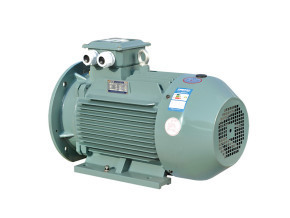
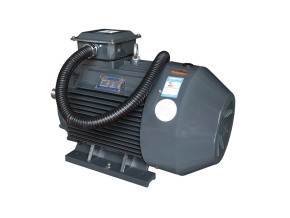
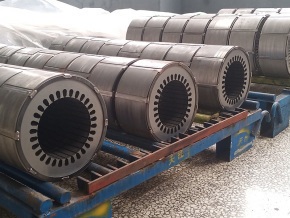
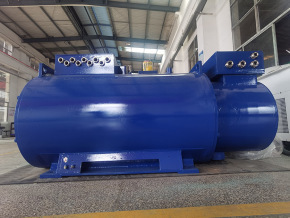
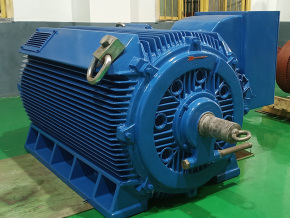
**Permanent magnet motors** are a type of electric motor that uses permanent magnets to create a magnetic field, as opposed to relying on electromagnets. This design leads to several benefits, including higher efficiency, more compact size, and improved performance characteristics.
### How Do They Work?
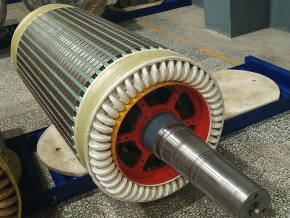
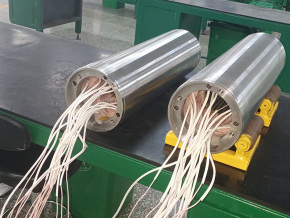
These motors operate by using the magnetic field generated by permanent magnets to interact with the current-carrying windings, resulting in rotational motion. This design markedly reduces the energy losses typically encountered in traditional motors, making them an attractive choice for electric vehicles.
### Types of Permanent Magnet Motors
There are primarily two types of permanent magnet motors used in electric transportation:
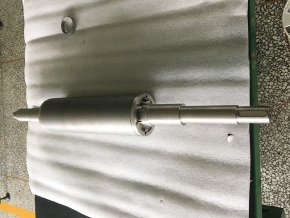
1. **Surface-Mounted Permanent Magnet Motors:** These motors have magnets mounted on the surface of the rotor, providing high efficiency and torque density.
2. **Interior Permanent Magnet Motors:** These motors have magnets embedded within the rotor, allowing for better thermal management and performance under high speeds.
3. Advantages of Permanent Magnet Motors in Electric Vehicles
The implementation of permanent magnet motors in electric vehicles presents numerous advantages that significantly enhance their performance and sustainability.
### Increased Efficiency
Permanent magnet motors provide higher efficiency compared to traditional motors. They can achieve efficiency ratings exceeding 95%, translating to longer driving ranges on a single charge, which is paramount for consumer acceptance of electric vehicles.
### Compact Design
The compact size of permanent magnet motors allows manufacturers to design vehicles with a lighter overall weight. This reduction not only aids in efficiency but also enables designers to create more versatile and aerodynamic vehicle shapes.
### Excellent Torque Characteristics
Electric vehicles with permanent magnet motors can deliver high torque from a standstill, offering superior acceleration and performance. This characteristic is not only beneficial for everyday driving but also enhances the driving experience.
### Longevity and Reliability
With fewer moving parts and reduced wear-and-tear, permanent magnet motors tend to have a longer lifespan than their traditional counterparts. Their reliability is crucial for consumers who demand not only performance but also peace of mind regarding maintenance and repair costs.
4. Current Trends in Electric Transportation
The electric transportation landscape is rapidly evolving, with several trends shaping its future:
### Increased Adoption of Electric Vehicles
With technological advancements and decreasing battery costs, more consumers are opting for electric vehicles. These trends are supported by a growing awareness of environmental issues and governmental incentives aimed at reducing carbon footprints.
### Development of Charging Infrastructure
As electric vehicles gain popularity, the development of comprehensive charging infrastructure is crucial. Fast charging stations are becoming more common, making it easier for consumers to transition from gasoline to electric.
### Integration of Renewable Energy Sources
There is a notable shift towards integrating renewable energy sources with electric vehicle charging stations. This trend not only reduces the overall carbon emissions associated with electric vehicles but also promotes energy independence.
### Autonomous Electric Vehicles
The convergence of electric and automated vehicle technologies is paving the way for autonomous electric vehicles. The combination of these technologies has the potential to drastically improve transportation efficiency and safety.
5. Future Innovations in Permanent Magnet Motors
As the demand for electric vehicles continues to grow, innovations in permanent magnet motor technology show immense potential.
### Advanced Materials
Researchers are exploring advanced materials such as new magnetic alloys and composites, which can enhance the performance of permanent magnet motors. These materials could lead to lighter, stronger, and more efficient motors.
### Improved Cooling Techniques
As electric vehicles become more powerful, effective cooling systems for permanent magnet motors will be essential. Innovations in thermal management can help maintain optimal performance and prevent overheating.
### Enhanced Control Systems
Smart control systems that leverage artificial intelligence and machine learning can optimize the performance of permanent magnet motors in real-time. This capability can enhance efficiency and provide a better driving experience.
6. Challenges and Solutions in Electric Vehicle Technology
Despite the promising future of electric transportation, several challenges remain:
### Supply Chain Issues
The sourcing of materials required for permanent magnets, such as rare earth elements, poses a significant challenge. Developing alternative materials or increasing recycling efforts could mitigate this issue.
### Charging Infrastructure Gaps
While progress is being made, gaps in charging infrastructure continue to hinder widespread adoption. Collaborative efforts between governments and private sectors can accelerate the development of extensive charging networks.
### Consumer Education
Many consumers remain skeptical about electric vehicles. Comprehensive education campaigns can help dispel myths and highlight the benefits of transitioning to electric transportation.
### Battery Technology Limitations
Battery technology is still evolving, with challenges related to energy density, charging times, and lifecycle. Continued research and development in battery technology are crucial for the future of electric vehicles.
7. Real-World Applications of Permanent Magnet Motors
The application of permanent magnet motors spans various modes of transportation:
### Electric Buses
Many cities are embracing electric buses equipped with permanent magnet motors. These vehicles significantly reduce urban pollution and operational costs, making them a sustainable alternative to traditional diesel buses.
### Electric Trucks
The logistics industry is also seeing a shift towards electric trucks. Permanent magnet motors enable heavy-duty vehicles to operate efficiently, reducing fuel costs and emissions.
### Personal Electric Vehicles
From electric scooters to cars, personal electric vehicles utilizing permanent magnet motors are becoming increasingly popular. Their compact design and excellent efficiency make them suitable for urban commuting.
8. Government Regulations and Support for Electric Transportation
Government regulations play a crucial role in the advancement of electric transportation.
### Incentives for Manufacturers
Many governments are offering incentives to manufacturers to promote the development and adoption of electric vehicles. These incentives often include tax breaks, grants, and research funding.
### Emission Standards
Stricter emission standards are pushing automotive manufacturers to innovate and adopt cleaner technologies. This regulatory pressure is a driving force behind the growth of electric transportation.
### Supportive Policies
Various governments are implementing supportive policies to encourage electric vehicle adoption, such as subsidies for consumers and investments in charging infrastructure.
9. Conclusion
The future of electric transportation is bright, with permanent magnet motor innovations at the forefront of this transformation. These motors offer remarkable advantages, including enhanced efficiency, compact design, and superior torque characteristics, making them ideal for electric vehicles. As we continue to navigate the challenges of electric transportation, including supply chain issues and consumer education, the opportunities for innovation and growth are immense. With ongoing support from governments and advancements in technology, the electric transportation landscape is poised for a revolution unlike any we have seen before.
10. FAQs
1. What are the main benefits of using permanent magnet motors in electric vehicles?
Permanent magnet motors offer increased efficiency, compact size, excellent torque characteristics, and a longer lifespan compared to traditional motors.
2. How do permanent magnet motors operate?
They operate by using the magnetic field generated by permanent magnets to interact with current-carrying windings, resulting in rotational motion.
3. What are the current trends in electric transportation?
Current trends include increased adoption of electric vehicles, development of charging infrastructure, and the integration of renewable energy sources.
4. What challenges does the electric transportation industry face?
Challenges include supply chain issues, gaps in charging infrastructure, consumer education, and limitations in battery technology.
5. How is government policy influencing electric transportation?
Government policies, including incentives for manufacturers and stricter emission standards, are driving the development and adoption of electric vehicles.
By recognizing and addressing these factors, we can ensure that the journey toward a sustainable transportation future is not only achievable but also successful.
recommend News

Wu Dejun: General Manager
Hu Pengbin: Marketing Director
Production site:
No.28, Huaiying Road, Gaoqiao Town, Changsha City, Hunan Province
Zip Code: 410145
Telephone:0731-86156236
ZhenHua Packing Machinery
Online consultation
Leave a message quickly and our experts will contact you
ZhenHua Packing Machinery
Business License

SAF Coolest v1.3.1.2 设置面板 GAGSD-ZGYF-JESSE-ZEA
无数据提示
Sorry, the current column is being updated, please look forward to it!
You can view other columns or returnHome Page