




Understanding Industrial Motors: A Key Component in Transportation Equipment
2026-01-31

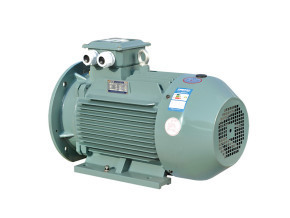
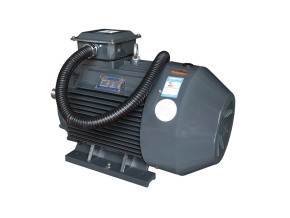
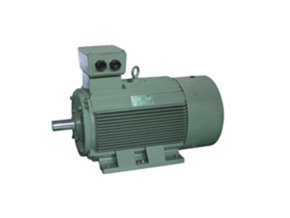
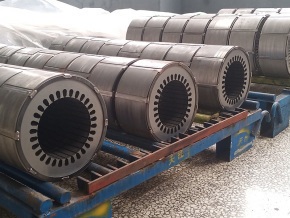
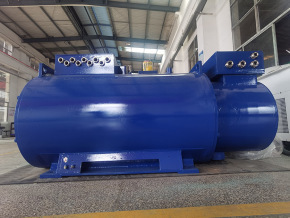
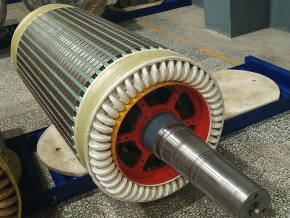
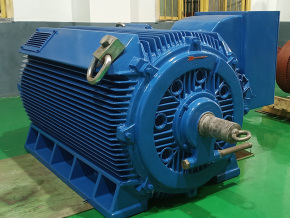
Industrial motors are essential devices that convert electrical energy into mechanical energy, enabling movement and operation in various machinery and equipment. In the transportation sector, these motors are vital for driving components like conveyor systems, pumps, and other machinery that facilitate the movement of goods and passengers. Understanding the various types of industrial motors and their applications can significantly enhance operational efficiency in the transportation industry.
One of the primary types of industrial motors is the induction motor, which operates on the principle of electromagnetic induction. These motors are widely used due to their robustness, low maintenance requirements, and ability to operate under various conditions. In transportation, induction motors are commonly found in electric vehicles, rail systems, and material handling equipment, providing reliable performance for countless applications.
Another important type of industrial motor is the synchronous motor, which offers precise speed control and efficiency. Synchronous motors are often utilized in applications where constant speed is critical, such as in advanced transportation systems and high-speed trains. Their ability to maintain a steady speed regardless of the load makes them ideal for applications requiring high reliability and performance.
Additionally, the selection of an industrial motor should consider factors such as power requirements, load characteristics, and environmental conditions. For instance, motors used in outdoor transportation equipment need to withstand varying weather conditions and should have appropriate protective measures against moisture and dust. Understanding these factors is crucial for ensuring long-term reliability and efficiency in transportation applications.
The benefits of utilizing industrial motors in transportation equipment are manifold. They contribute to improved energy efficiency, leading to reduced operational costs. Moreover, advanced motor technologies enhance performance metrics, providing greater torque and speed control. This can result in faster delivery times and improved service quality for transportation providers.
Furthermore, adopting energy-efficient industrial motors aligns with global sustainability goals, helping organizations reduce their carbon footprint. As the transportation industry increasingly focuses on eco-friendly solutions, the incorporation of efficient motor technologies will become even more critical.
In conclusion, industrial motors are integral components in the transportation sector, powering various systems and enhancing operational efficiency. By understanding their types, applications, and benefits, industry professionals can make informed decisions that optimize performance and contribute to the overall success of transportation operations. Investing in the right industrial motor technology not only improves efficiency but also supports sustainability efforts within the industry.
One of the primary types of industrial motors is the induction motor, which operates on the principle of electromagnetic induction. These motors are widely used due to their robustness, low maintenance requirements, and ability to operate under various conditions. In transportation, induction motors are commonly found in electric vehicles, rail systems, and material handling equipment, providing reliable performance for countless applications.
Another important type of industrial motor is the synchronous motor, which offers precise speed control and efficiency. Synchronous motors are often utilized in applications where constant speed is critical, such as in advanced transportation systems and high-speed trains. Their ability to maintain a steady speed regardless of the load makes them ideal for applications requiring high reliability and performance.
Additionally, the selection of an industrial motor should consider factors such as power requirements, load characteristics, and environmental conditions. For instance, motors used in outdoor transportation equipment need to withstand varying weather conditions and should have appropriate protective measures against moisture and dust. Understanding these factors is crucial for ensuring long-term reliability and efficiency in transportation applications.
The benefits of utilizing industrial motors in transportation equipment are manifold. They contribute to improved energy efficiency, leading to reduced operational costs. Moreover, advanced motor technologies enhance performance metrics, providing greater torque and speed control. This can result in faster delivery times and improved service quality for transportation providers.
Furthermore, adopting energy-efficient industrial motors aligns with global sustainability goals, helping organizations reduce their carbon footprint. As the transportation industry increasingly focuses on eco-friendly solutions, the incorporation of efficient motor technologies will become even more critical.
In conclusion, industrial motors are integral components in the transportation sector, powering various systems and enhancing operational efficiency. By understanding their types, applications, and benefits, industry professionals can make informed decisions that optimize performance and contribute to the overall success of transportation operations. Investing in the right industrial motor technology not only improves efficiency but also supports sustainability efforts within the industry.
recommend News

Wu Dejun: General Manager
Hu Pengbin: Marketing Director
Production site:
No.28, Huaiying Road, Gaoqiao Town, Changsha City, Hunan Province
Zip Code: 410145
Telephone:0731-86156236
ZhenHua Packing Machinery
Online consultation
Leave a message quickly and our experts will contact you
ZhenHua Packing Machinery
Business License

SAF Coolest v1.3.1.2 设置面板 GAGSD-ZGYF-JESSE-ZEA
无数据提示
Sorry, the current column is being updated, please look forward to it!
You can view other columns or returnHome Page