




Why High-Efficiency Motors Are Essential for Modern Transport Equipment
2026-01-30

Why High-Efficiency Motors Are Essential for Modern Transport Equipment
Table of Contents
- 1. Introduction to High-Efficiency Motors
- 2. Importance of Efficiency in Transportation
- 3. Benefits of High-Efficiency Motors
- 3.1 Cost Savings and Return on Investment
- 3.2 Reduced Environmental Impact
- 3.3 Enhanced Performance and Reliability
- 4. Applications of High-Efficiency Motors in Transport Equipment
- 5. Technological Advancements in Motor Design
- 6. The Future of High-Efficiency Motors in Transportation
- 7. Frequently Asked Questions
- 8. Conclusion
1. Introduction to High-Efficiency Motors
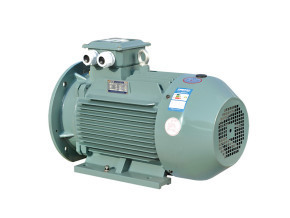
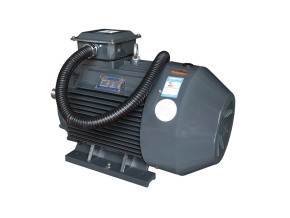
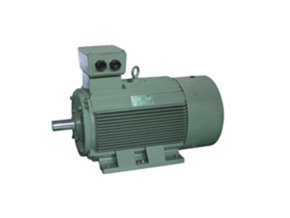
High-efficiency motors are designed to convert electrical energy into mechanical energy with minimal losses. They are becoming increasingly vital in modern transport equipment as the industry shifts towards sustainability and energy efficiency. These motors utilize advanced technologies and materials, enabling them to operate more effectively while consuming less energy. This article delves into the significance of high-efficiency motors, exploring their benefits and applications across various modes of transportation.
2. Importance of Efficiency in Transportation
As global awareness of environmental issues rises, the transportation industry faces immense pressure to reduce its carbon footprint. High-efficiency motors play a pivotal role in achieving this goal. The transportation sector is one of the largest consumers of energy, and improving efficiency can significantly lower energy consumption and emissions. The push towards electrification, particularly in vehicles, makes it essential for manufacturers to adopt high-efficiency motors to comply with stringent regulations and meet consumer expectations for greener solutions.
3. Benefits of High-Efficiency Motors
High-efficiency motors offer a plethora of advantages that can transform the landscape of transportation equipment.
3.1 Cost Savings and Return on Investment
One of the most compelling reasons to invest in high-efficiency motors is the potential for significant cost savings. These motors consume less energy, leading to lower electricity bills. Moreover, their longer lifespan and reduced maintenance needs translate into lower operational costs over time. Businesses can expect a strong return on investment (ROI) through decreased energy expenses and enhanced operational efficiencies.
3.2 Reduced Environmental Impact
High-efficiency motors contribute to a substantial reduction in greenhouse gas emissions. By utilizing less energy, they help lower the overall demand for electricity, which is often generated from fossil fuels. This shift is crucial in mitigating climate change and promoting sustainable practices within the transportation sector. Additionally, many high-efficiency motors are designed with recyclable materials, further supporting environmental sustainability.
3.3 Enhanced Performance and Reliability
These motors provide superior performance compared to traditional alternatives. They deliver consistent torque and speed, ensuring optimal operation of transport equipment. Their design minimizes heat generation, which enhances reliability and reduces the risk of breakdowns. Consequently, high-efficiency motors can improve the overall productivity of transport systems.
4. Applications of High-Efficiency Motors in Transport Equipment
High-efficiency motors are being integrated into various transportation modes, each with unique requirements and challenges.
4.1 Automotive Industry
In the automotive sector, high-efficiency motors are pivotal for electric and hybrid vehicles. These motors enable improved acceleration, longer ranges, and better energy recovery during braking. Additionally, their compact size allows for more flexible vehicle designs, contributing to advancements in vehicle aerodynamics and overall performance.
4.2 Aerospace Sector
The aerospace industry utilizes high-efficiency motors in various applications, from powering systems on commercial aircraft to driving unmanned aerial vehicles (UAVs). The weight-to-power ratio is critical in aerospace, and high-efficiency motors help minimize weight while maximizing performance. This balance is essential for enhancing fuel efficiency and reducing operational costs.
4.3 Maritime Transport
In maritime transport, high-efficiency motors are employed in various vessels, including cargo ships, ferries, and pleasure crafts. These motors contribute to reduced fuel consumption and lower emissions, supporting international efforts to curb pollution in marine environments. With the rise of electric propulsion systems, high-efficiency motors are essential to transition towards more sustainable maritime operations.
4.4 Rail Transportation
High-efficiency motors are also crucial in rail transportation, where they drive locomotives and other rail vehicles. By improving energy efficiency, these motors contribute to lower operational costs and reduced reliance on non-renewable energy sources. Furthermore, their efficiency helps rail systems operate more competitively compared to other forms of transport.
5. Technological Advancements in Motor Design
The development of high-efficiency motors is driven by advancements in technology. Key innovations include:
- **Permanent Magnet Technology**: The use of permanent magnets in motors significantly improves efficiency by reducing energy losses. This technology is particularly effective in applications requiring high torque and power density.
- **Advanced Materials**: The incorporation of lightweight and durable materials enhances motor performance while reducing weight. These materials help improve thermal management and increase longevity.
- **Smart Motor Control Systems**: Modern high-efficiency motors are equipped with intelligent control systems that optimize performance based on real-time data. These systems can adjust motor operation to match load conditions, further enhancing energy efficiency.
6. The Future of High-Efficiency Motors in Transportation
The future of high-efficiency motors in transportation looks promising as technology continues to evolve. Ongoing research and development aim to enhance motor efficiency further, reduce costs, and integrate with renewable energy sources. As governments and industries commit to greener initiatives, high-efficiency motors will play a crucial role in shaping sustainable transportation solutions.
Innovations in battery technology, energy management systems, and hybrid propulsion methods will likely complement high-efficiency motors, leading to even more efficient transportation systems. The focus on electric vehicles and autonomous transport means that the demand for high-efficiency motors will only grow, making them a cornerstone of modern transport equipment.
7. Frequently Asked Questions
What are high-efficiency motors?
High-efficiency motors are designed to convert electrical energy into mechanical energy with minimal losses, providing higher performance and lower energy consumption compared to traditional motors.
How do high-efficiency motors reduce energy costs?
By consuming less energy during operation, high-efficiency motors lower electricity bills and contribute to a more significant return on investment through enhanced operational efficiencies.
Why are high-efficiency motors important for environmental sustainability?
These motors reduce greenhouse gas emissions by requiring less energy, thereby lowering the demand for electricity generated from fossil fuels, which helps mitigate climate change.
In what applications are high-efficiency motors commonly used?
High-efficiency motors are widely used in the automotive, aerospace, maritime, and rail transportation sectors, enhancing performance and sustainability across various modes of transport.
What advancements are being made in high-efficiency motor technology?
Key advancements include the use of permanent magnets, lightweight and durable materials, and smart motor control systems that optimize performance based on real-time data.
8. Conclusion
High-efficiency motors are indispensable in modern transport equipment, driving efficiency, sustainability, and performance. As the transportation sector continues to evolve, the adoption of these motors will play a pivotal role in meeting environmental goals and enhancing operational efficiencies. Investing in high-efficiency motors not only yields significant cost savings but also contributes to a greener future, making them essential for any forward-thinking transportation initiative. The journey toward a sustainable transport system hinges on the innovations and capabilities of high-efficiency motors, and their importance will only continue to grow.
recommend News

Wu Dejun: General Manager
Hu Pengbin: Marketing Director
Production site:
No.28, Huaiying Road, Gaoqiao Town, Changsha City, Hunan Province
Zip Code: 410145
Telephone:0731-86156236
ZhenHua Packing Machinery
Online consultation
Leave a message quickly and our experts will contact you
ZhenHua Packing Machinery
Business License

SAF Coolest v1.3.1.2 设置面板 GAGSD-ZGYF-JESSE-ZEA
无数据提示
Sorry, the current column is being updated, please look forward to it!
You can view other columns or returnHome Page