




Unlocking the Potential of Medium-Voltage DC Motors in Transportation Equipment
2026-01-29

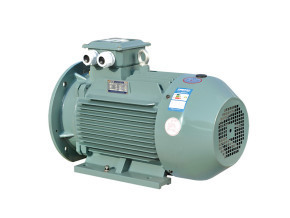
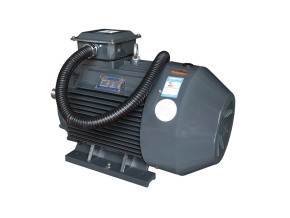
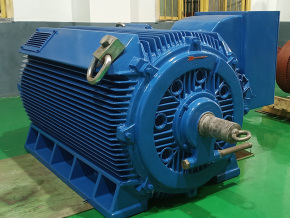
Medium-voltage DC motors are rapidly gaining attention in the transportation industry, particularly in the realm of various transportation devices and components. These motors, typically operating between 1 kV and 7.5 kV, present a host of benefits that can enhance the efficiency and performance of transportation equipment. Understanding their advantages and potential applications can provide valuable insights for professionals within this sector.
One of the primary benefits of medium-voltage DC motors is their ability to deliver high torque at low speeds, making them ideal for heavy-duty applications such as electric vehicles, rail systems, and other transportation machinery. This feature allows for smoother acceleration and deceleration, which can improve the overall driving experience and operational efficiency. Unlike their low-voltage counterparts, medium-voltage motors can handle higher power levels without the need for bulky transformers, resulting in a more compact design that can be advantageous in space-constrained environments.
Furthermore, medium-voltage DC motors are known for their energy efficiency. By utilizing advanced control systems, these motors can significantly reduce energy consumption compared to traditional AC motors. This is particularly critical in transportation, where fuel efficiency and operational costs are paramount. The integration of energy recovery systems, such as regenerative braking, further enhances the overall efficiency by converting kinetic energy back into electrical energy, which can be reused to power the motor or other systems.
In addition to energy efficiency, medium-voltage DC motors offer improved reliability and reduced maintenance costs. Their robust design minimizes wear and tear, resulting in longer operational life cycles. This is especially beneficial in transportation settings, where equipment downtime can lead to significant financial losses. Regular maintenance requirements are often lower, allowing for seamless operations and less frequent disruptions.
When considering the implementation of medium-voltage DC motors in transportation equipment, it is crucial to evaluate several factors. These include the specific application requirements, environmental conditions, and integration with existing systems. It is also important to stay informed about the latest advancements in motor technology, control systems, and industry standards to ensure optimal performance and compliance.
As the transportation industry continues to evolve, the adoption of medium-voltage DC motors is likely to increase, driven by the growing demand for sustainability and efficiency. By leveraging the advantages these motors offer, transportation professionals can enhance their equipment's performance, reduce operational costs, and contribute to a more sustainable future in transportation. Whether in electric vehicles or other forms of transportation equipment, medium-voltage DC motors are poised to play a significant role in shaping the landscape of the industry.
One of the primary benefits of medium-voltage DC motors is their ability to deliver high torque at low speeds, making them ideal for heavy-duty applications such as electric vehicles, rail systems, and other transportation machinery. This feature allows for smoother acceleration and deceleration, which can improve the overall driving experience and operational efficiency. Unlike their low-voltage counterparts, medium-voltage motors can handle higher power levels without the need for bulky transformers, resulting in a more compact design that can be advantageous in space-constrained environments.
Furthermore, medium-voltage DC motors are known for their energy efficiency. By utilizing advanced control systems, these motors can significantly reduce energy consumption compared to traditional AC motors. This is particularly critical in transportation, where fuel efficiency and operational costs are paramount. The integration of energy recovery systems, such as regenerative braking, further enhances the overall efficiency by converting kinetic energy back into electrical energy, which can be reused to power the motor or other systems.
In addition to energy efficiency, medium-voltage DC motors offer improved reliability and reduced maintenance costs. Their robust design minimizes wear and tear, resulting in longer operational life cycles. This is especially beneficial in transportation settings, where equipment downtime can lead to significant financial losses. Regular maintenance requirements are often lower, allowing for seamless operations and less frequent disruptions.
When considering the implementation of medium-voltage DC motors in transportation equipment, it is crucial to evaluate several factors. These include the specific application requirements, environmental conditions, and integration with existing systems. It is also important to stay informed about the latest advancements in motor technology, control systems, and industry standards to ensure optimal performance and compliance.
As the transportation industry continues to evolve, the adoption of medium-voltage DC motors is likely to increase, driven by the growing demand for sustainability and efficiency. By leveraging the advantages these motors offer, transportation professionals can enhance their equipment's performance, reduce operational costs, and contribute to a more sustainable future in transportation. Whether in electric vehicles or other forms of transportation equipment, medium-voltage DC motors are poised to play a significant role in shaping the landscape of the industry.
recommend News

Wu Dejun: General Manager
Hu Pengbin: Marketing Director
Production site:
No.28, Huaiying Road, Gaoqiao Town, Changsha City, Hunan Province
Zip Code: 410145
Telephone:0731-86156236
ZhenHua Packing Machinery
Online consultation
Leave a message quickly and our experts will contact you
ZhenHua Packing Machinery
Business License

SAF Coolest v1.3.1.2 设置面板 GAGSD-ZGYF-JESSE-ZEA
无数据提示
Sorry, the current column is being updated, please look forward to it!
You can view other columns or returnHome Page