




Understanding the Transformative Benefits of Industrial Permanent Magnet Motors in Transportation
2026-01-24

Understanding the Transformative Benefits of Industrial Permanent Magnet Motors in Transportation
Table of Contents
- 1. Introduction to Industrial Permanent Magnet Motors
- 2. What Are Permanent Magnet Motors?
- 3. Advantages of Permanent Magnet Motors in Transportation
- 4. Applications of Permanent Magnet Motors in Transportation
- 5. The Future of Permanent Magnet Motors in the Transportation Sector
- 6. Challenges and Considerations
- 7. Conclusion
- 8. FAQs
1. Introduction to Industrial Permanent Magnet Motors
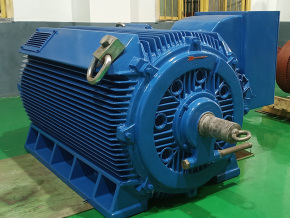
Industrial permanent magnet motors (IPMMs) play a crucial role in modern transportation systems. These innovative machines harness the power of permanent magnets to produce efficient motion, making them a preferred choice in various transportation applications. As industries strive for greater efficiency, reduced costs, and lower environmental impact, the adoption of permanent magnet motors has surged, transforming how we transport goods and people. By understanding the benefits of these motors, stakeholders can make informed decisions that enhance performance and sustainability in the transportation sector.
2. What Are Permanent Magnet Motors?
Permanent magnet motors are electric motors that utilize permanent magnets to generate magnetic fields. Unlike traditional electric motors, which rely on electromagnets, these motors provide a more efficient means of energy conversion, resulting in superior performance and reduced energy consumption.
2.1 Working Principle of Permanent Magnet Motors
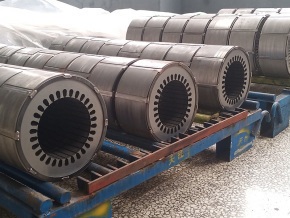
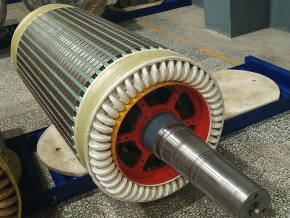
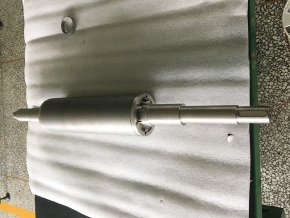
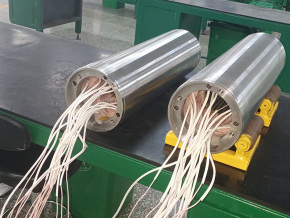
The working principle of permanent magnet motors centers around electromagnetic induction. The interaction between the stator's magnetic field and the rotor's permanent magnets creates torque, enabling the rotor to spin. This design allows for high efficiency, compact size, and reduced noise levels, making permanent magnet motors highly suitable for various transportation applications.
3. Advantages of Permanent Magnet Motors in Transportation
The integration of industrial permanent magnet motors into transportation systems offers numerous advantages that significantly enhance operational efficiency, performance, and sustainability.
3.1 Energy Efficiency
One of the primary benefits of permanent magnet motors is their exceptional energy efficiency. These motors typically operate at efficiencies exceeding 90%, translating to lower energy consumption and reduced operational costs. With transportation being a major contributor to global energy use, adopting energy-efficient solutions like permanent magnet motors can have a profound impact on reducing overall energy demands.
3.2 Compact Design
The compact design of permanent magnet motors allows for more flexible integration into various transportation systems. Their small size and weight make them ideal for applications where space is limited, such as in electric vehicles and lightweight trains. This compactness also contributes to lightweight designs, further enhancing overall vehicle efficiency.
3.3 Low Maintenance Requirements
Permanent magnet motors require minimal maintenance compared to traditional electric motors. The absence of brushes in these motors reduces wear and tear, resulting in longer lifespans and lower maintenance costs. This reliability is especially critical in transportation applications, where downtime can lead to significant operational losses.
3.4 Reduced Environmental Impact
With transportation contributing significantly to greenhouse gas emissions, the shift towards sustainable technologies is crucial. Industrial permanent magnet motors support this transition by providing cleaner, more efficient alternatives. Their high efficiency not only lowers energy consumption but also decreases emissions associated with electricity production, making them an environmentally friendly choice for various transportation applications.
4. Applications of Permanent Magnet Motors in Transportation
The versatility of permanent magnet motors enables their use in a wide range of transportation applications. Below are some notable areas where these motors are making a significant impact.
4.1 Electric Vehicles
The rise of electric vehicles (EVs) has propelled the demand for permanent magnet motors. These motors provide the necessary torque and efficiency for electric drivetrains, enabling high-performance vehicles with extended range capabilities. As manufacturers increasingly focus on electrification, permanent magnet motors are becoming a staple in EV design, contributing to a cleaner automotive future.
4.2 Trains and Mass Transit
Permanent magnet motors are also being adopted in trains and mass transit systems. Their efficiency and reliability make them suitable for high-speed trains, where performance and energy savings are paramount. These motors enable smooth acceleration and deceleration, improving passenger comfort while reducing energy consumption and operational costs.
4.3 Aerospace Applications
In the aerospace sector, the lightweight and compact design of permanent magnet motors is particularly advantageous. They are utilized in various applications, including propulsion systems for drones and electric aircraft. The push for more sustainable aviation solutions has led to increased interest in permanent magnet motors, which can significantly enhance overall aircraft efficiency.
5. The Future of Permanent Magnet Motors in the Transportation Sector
Looking forward, the future of permanent magnet motors in transportation is bright. Ongoing advancements in materials science and motor design are expected to further enhance the performance of these motors. Innovations such as improved magnet materials and advanced cooling techniques will contribute to even higher efficiencies and capabilities.
Additionally, as governments worldwide promote sustainability and reduced emissions, the demand for electric and hybrid vehicles is likely to continue rising, further driving the adoption of permanent magnet motors. Research and development efforts focused on optimizing these motors for various applications will ensure they remain at the forefront of transportation technology.
6. Challenges and Considerations
Despite their advantages, the adoption of permanent magnet motors is not without challenges. The cost of high-quality permanent magnets, often derived from rare-earth materials, can impact the overall cost of motor production. Additionally, supply chain issues related to these materials can pose risks in scaling production.
Moreover, the integration of permanent magnet motors into existing transportation systems may require significant redesign and investment. Stakeholders must carefully consider these factors when evaluating the transition to permanent magnet motor technology.
7. Conclusion
Industrial permanent magnet motors are revolutionizing the transportation sector by offering numerous benefits, including enhanced energy efficiency, compact design, low maintenance requirements, and reduced environmental impact. Their applications span electric vehicles, trains, and aerospace, demonstrating their versatility and potential to reshape how we think about transportation.
As we look towards a more sustainable future, the role of permanent magnet motors in driving innovation and efficiency will only continue to grow. Stakeholders in the transportation industry must embrace this technology to meet the challenges of tomorrow and contribute to a cleaner, greener world.
8. FAQs
1. What makes permanent magnet motors more efficient than traditional motors?
Permanent magnet motors achieve higher efficiencies due to their design, which eliminates the need for brushes and minimizes energy losses, resulting in less heat generation and improved performance.
2. Are permanent magnet motors suitable for all types of vehicles?
Yes, permanent magnet motors can be adapted for various vehicles, including electric cars, buses, trains, and even aircraft, owing to their compact design and high efficiency.
3. What are the environmental benefits of using permanent magnet motors?
The use of permanent magnet motors leads to reduced energy consumption, lower emissions, and a smaller carbon footprint, contributing to more sustainable transportation solutions.
4. What challenges are associated with the production of permanent magnet motors?
Challenges include the high cost of rare-earth materials used in permanent magnets and potential supply chain issues, which can impact the affordability and scalability of production.
5. How is the market for permanent magnet motors expected to grow in the future?
The market for permanent magnet motors is expected to expand as demand for electric and hybrid vehicles increases, driven by ongoing efforts to enhance efficiency and sustainability in transportation.
recommend News

Wu Dejun: General Manager
Hu Pengbin: Marketing Director
Production site:
No.28, Huaiying Road, Gaoqiao Town, Changsha City, Hunan Province
Zip Code: 410145
Telephone:0731-86156236
ZhenHua Packing Machinery
Online consultation
Leave a message quickly and our experts will contact you
ZhenHua Packing Machinery

SAF Coolest v1.3.1.2 设置面板 GAGSD-ZGYF-JESSE-ZEA
无数据提示
Sorry, the current column is being updated, please look forward to it!
You can view other columns or returnHome Page