




Understanding Subway Motors: The Heart of Urban Transit Innovation
2026-01-21

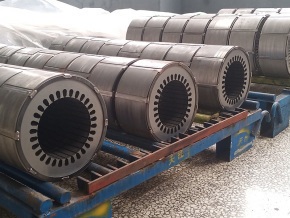
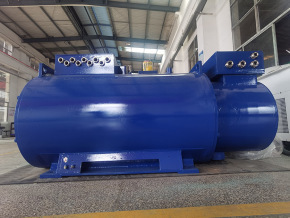
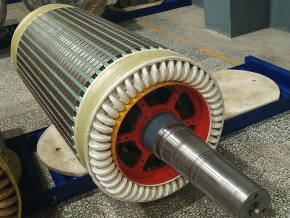
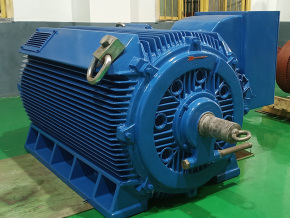
Subway motors are integral components of urban transit systems, serving as the driving force behind the efficient operation of subway trains. These specialized electric motors are designed to convert electrical energy into mechanical energy, enabling trains to accelerate, decelerate, and maintain consistent speeds during their journeys. Understanding the intricacies of subway motors can provide valuable insights into the broader context of transportation technology and its evolution.
The primary function of a subway motor is to drive the wheels of the train, ensuring smooth and reliable operation. Each motor's design is optimized for the demanding environment of underground rail systems, where factors such as space constraints, ventilation, and noise reduction must be meticulously considered. Typically, subway motors are high-torque, low-speed units, which allows them to effectively manage the heavy loads associated with transporting numerous passengers and cargo.
One of the significant advantages of subway motors is their efficiency. Many modern subway systems have transitioned from older, less efficient motor technologies to advanced electric motors, which not only reduce energy consumption but also minimize greenhouse gas emissions. The shift towards more sustainable practices in public transportation is crucial as cities strive to combat climate change and reduce their carbon footprints.
Innovation in subway motor technology is ongoing, with developments such as regenerative braking systems becoming increasingly prevalent. These systems allow trains to convert kinetic energy back into electrical energy during braking, which can then be reused or fed back into the power grid. This not only enhances the overall efficiency of the system but also lowers operational costs, making urban transit more economically viable.
Moreover, advancements in digital technologies are leading to the implementation of smart monitoring systems for subway motors. These systems employ sensors and data analytics to track motor performance in real-time, enabling predictive maintenance and reducing downtime. By anticipating potential issues before they arise, transit authorities can enhance safety and reliability, ultimately providing a better experience for commuters.
In summary, subway motors are a fundamental element of urban transportation infrastructure, facilitating safe and efficient movement within cities. As technology continues to advance, the evolution of subway motors will play a crucial role in shaping the future of public transit. Understanding these innovations not only enriches a professional's knowledge but also underscores the importance of continued investment in sustainable and efficient transportation solutions.
The primary function of a subway motor is to drive the wheels of the train, ensuring smooth and reliable operation. Each motor's design is optimized for the demanding environment of underground rail systems, where factors such as space constraints, ventilation, and noise reduction must be meticulously considered. Typically, subway motors are high-torque, low-speed units, which allows them to effectively manage the heavy loads associated with transporting numerous passengers and cargo.
One of the significant advantages of subway motors is their efficiency. Many modern subway systems have transitioned from older, less efficient motor technologies to advanced electric motors, which not only reduce energy consumption but also minimize greenhouse gas emissions. The shift towards more sustainable practices in public transportation is crucial as cities strive to combat climate change and reduce their carbon footprints.
Innovation in subway motor technology is ongoing, with developments such as regenerative braking systems becoming increasingly prevalent. These systems allow trains to convert kinetic energy back into electrical energy during braking, which can then be reused or fed back into the power grid. This not only enhances the overall efficiency of the system but also lowers operational costs, making urban transit more economically viable.
Moreover, advancements in digital technologies are leading to the implementation of smart monitoring systems for subway motors. These systems employ sensors and data analytics to track motor performance in real-time, enabling predictive maintenance and reducing downtime. By anticipating potential issues before they arise, transit authorities can enhance safety and reliability, ultimately providing a better experience for commuters.
In summary, subway motors are a fundamental element of urban transportation infrastructure, facilitating safe and efficient movement within cities. As technology continues to advance, the evolution of subway motors will play a crucial role in shaping the future of public transit. Understanding these innovations not only enriches a professional's knowledge but also underscores the importance of continued investment in sustainable and efficient transportation solutions.
recommend News

Wu Dejun: General Manager
Hu Pengbin: Marketing Director
Production site:
No.28, Huaiying Road, Gaoqiao Town, Changsha City, Hunan Province
Zip Code: 410145
Telephone:0731-86156236
ZhenHua Packing Machinery
Online consultation
Leave a message quickly and our experts will contact you
ZhenHua Packing Machinery
Business License

SAF Coolest v1.3.1.2 设置面板 GAGSD-ZGYF-JESSE-ZEA
无数据提示
Sorry, the current column is being updated, please look forward to it!
You can view other columns or returnHome Page