




Unlocking Efficiency: The Role of Industrial Motors in Transportation Equipment
2026-01-20

Unlocking Efficiency: The Role of Industrial Motors in Transportation Equipment
Table of Contents
- Introduction to Industrial Motors in Transportation
- The Importance of Industrial Motors in Transportation Equipment
- Types of Industrial Motors Used in Transportation
- Technological Advancements in Industrial Motors
- Impact of Industrial Motors on Operational Efficiency
- The Future of Industrial Motors in the Transportation Sector
- Case Studies: Successful Implementations of Industrial Motors
- Frequently Asked Questions (FAQs)
- Conclusion
Introduction to Industrial Motors in Transportation
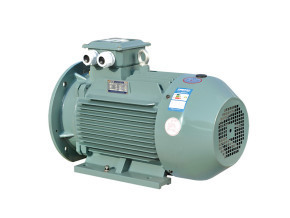
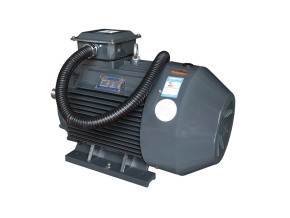
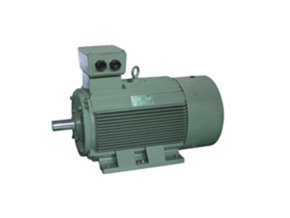
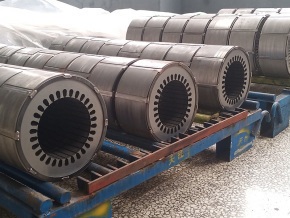
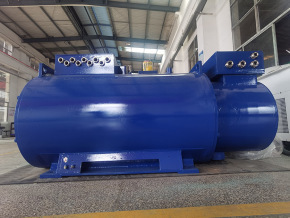
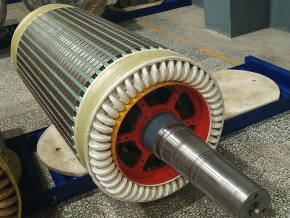
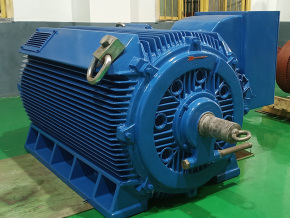
In the dynamic world of transportation, the demand for efficiency, reliability, and innovation is ever-increasing. **Industrial motors** are at the forefront of this evolution, powering a variety of transportation equipment from buses and trucks to trains and marine vessels. These motors are essential for converting electrical energy into mechanical energy, enabling the movement and operation of vehicles and machinery. By understanding their mechanics and applications, we can unlock greater efficiency across transportation systems.
The Importance of Industrial Motors in Transportation Equipment
The role of **industrial motors** in transportation equipment cannot be overstated. They serve multiple purposes, including:
- **Driving propulsion systems**: Industrial motors provide the necessary force to propel vehicles forward.
- **Powering auxiliary systems**: Motors also power various auxiliary components such as hydraulics, pumps, and steering systems.
- **Facilitating automation**: With advancements in technology, industrial motors enable automation in transportation, reducing human error and increasing safety.
- **Enhancing energy efficiency**: Modern motors are designed to be energy-efficient, reducing operational costs and environmental impact.
As the transportation sector evolves, the reliance on industrial motors continues to grow, making them a critical component for achieving operational excellence.
Types of Industrial Motors Used in Transportation
Understanding the different types of industrial motors is key to appreciating their application in transportation. The following are the most common types used in the industry:
1. AC Motors
Alternating Current (AC) motors are widely used in transportation equipment due to their simplicity and reliability. They are often utilized in electric buses and trams, where they provide smooth and efficient power for operation.
2. DC Motors
Direct Current (DC) motors are preferred for applications requiring variable speed control, such as in electric vehicles (EVs) and hybrid systems. Their ability to accelerate quickly and provide high torque makes them ideal for urban transportation.
3. Servo Motors
Servo motors are crucial for applications requiring precise control, such as in automated steering and braking systems. Their responsiveness and accuracy make them indispensable in modern transportation.
4. Stepper Motors
These motors are commonly used in applications that require precise positioning and control. They are often found in robotic systems used in material handling at transportation hubs.
Technological Advancements in Industrial Motors
The landscape of industrial motors is continuously evolving, driven by technological advancements that enhance performance and efficiency. Key innovations include:
1. Smart Motors
With the rise of the Internet of Things (IoT), smart motors are equipped with sensors and connectivity features, allowing for real-time monitoring and predictive maintenance. This reduces downtime and increases reliability.
2. High-Efficiency Designs
Modern industrial motors are designed with high-efficiency ratings, ensuring maximum energy conversion and minimal waste. This not only lowers operational costs but also aligns with global sustainability goals.
3. Integrated Motor Drives
Integrated motor drives combine the motor and control circuitry in a single unit, simplifying installation and improving efficiency. These compact solutions are gaining popularity in transportation systems where space is limited.
4. Advanced Materials
The use of advanced materials such as rare earth magnets and lightweight composites is enhancing motor performance, leading to improved power-to-weight ratios and durability in harsh transportation environments.
Impact of Industrial Motors on Operational Efficiency
The efficiency of industrial motors directly impacts the overall operational effectiveness of transportation systems. Here’s how:
1. Reduced Energy Consumption
Energy-efficient motors consume less power, leading to significant savings on electricity costs in large fleets. This becomes crucial for companies aiming to decrease their carbon footprint.
2. Enhanced Performance and Reliability
High-quality industrial motors reduce the frequency of breakdowns and maintenance needs, ensuring that transportation equipment operates smoothly. This reliability is vital for schedules and customer satisfaction.
3. Optimized Performance in Extreme Conditions
Industrial motors designed for specific environmental conditions ensure consistent performance, whether in extreme temperatures or challenging terrains, contributing to operational reliability.
4. Long-Term Cost Savings
Investing in advanced industrial motors may have higher initial costs, but the long-term savings from reduced energy consumption and maintenance help achieve a favorable return on investment.
The Future of Industrial Motors in the Transportation Sector
As we look ahead, the role of industrial motors in transportation will continue to evolve. Future trends include:
1. Electrification of Transportation
As the world shifts towards electric vehicles, industrial motors will become pivotal in enabling this transition. Continuous advancements will ensure that these motors meet the increasing demands for power and efficiency.
2. Integration with Renewable Energy
The future of transportation will likely see greater integration with renewable energy sources, where industrial motors will play a key role in enabling sustainable operation and reducing reliance on fossil fuels.
3. Enhanced Automation and AI
With increasing automation and artificial intelligence in transportation, industrial motors will need to adapt to more sophisticated control systems, driving further innovation in their design and application.
4. Focus on Sustainability
Sustainability will remain a critical concern. Industrial motors that incorporate eco-friendly materials and designs will be favored in the market, aligning with global efforts towards sustainable transportation solutions.
Case Studies: Successful Implementations of Industrial Motors
Examining real-world applications of industrial motors in transportation can provide valuable insights. Here are a few notable examples:
1. Electric Bus Systems
Cities around the globe are deploying electric buses powered by high-efficiency AC motors, resulting in significant reductions in greenhouse gas emissions and operational costs.
2. Freight Transportation
Rail companies are increasingly utilizing DC motors for freight locomotives, increasing speed and efficiency while minimizing energy consumption compared to traditional diesel engines.
3. Automated Warehouses
Robotic systems within automated warehouses are utilizing servo and stepper motors for precise material handling, illustrating the integration of advanced motor technology in transportation logistics.
Frequently Asked Questions (FAQs)
1. What are industrial motors, and why are they important in transportation?
Industrial motors convert electrical energy into mechanical energy, powering various components of transportation equipment. They are vital for enhancing efficiency, reliability, and performance in the industry.
2. What types of industrial motors are most commonly used in transportation?
The most common types include AC motors, DC motors, servo motors, and stepper motors, each serving specific functions within transportation systems.
3. How do industrial motors improve energy efficiency?
Modern industrial motors are designed to operate with high efficiency, consuming less electricity and producing less waste heat, resulting in lower operational costs.
4. What advancements are being made in industrial motor technology?
Technological advancements include smart motors, high-efficiency designs, integrated motor drives, and the use of advanced materials, all aimed at improving performance and sustainability.
5. What is the future outlook for industrial motors in the transportation industry?
The future will likely see increased electrification, integration with renewable energy, enhanced automation, and a stronger focus on sustainability, driving further innovations in industrial motor technology.
Conclusion
Industrial motors are the unsung heroes of the transportation sector, powering a diverse range of equipment with unmatched efficiency and reliability. As technology continues to evolve, these motors will play an increasingly critical role in driving the future of transportation. By embracing innovative designs and sustainable practices, companies can unlock greater efficiency and profitability while contributing to a greener planet. Investing in high-quality industrial motors is not just a choice; it's a strategic move towards a more efficient and sustainable transportation future.
recommend News

Wu Dejun: General Manager
Hu Pengbin: Marketing Director
Production site:
No.28, Huaiying Road, Gaoqiao Town, Changsha City, Hunan Province
Zip Code: 410145
Telephone:0731-86156236
ZhenHua Packing Machinery
Online consultation
Leave a message quickly and our experts will contact you
ZhenHua Packing Machinery
Business License

SAF Coolest v1.3.1.2 设置面板 GAGSD-ZGYF-JESSE-ZEA
无数据提示
Sorry, the current column is being updated, please look forward to it!
You can view other columns or returnHome Page