




Understanding the Crucial Role of Rail Transit Motors in Modern Transportation
2026-01-22

Understanding the Crucial Role of Rail Transit Motors in Modern Transportation
Table of Contents
- Introduction to Rail Transit Motors
- The Importance of Rail Transit Motors in Transportation
- Types of Rail Transit Motors
- Technological Advancements in Rail Transit Motors
- Enhancing Energy Efficiency in Rail Systems
- Safety Features of Modern Rail Transit Motors
- The Future of Rail Transit Motors
- Frequently Asked Questions
- Conclusion
Introduction to Rail Transit Motors
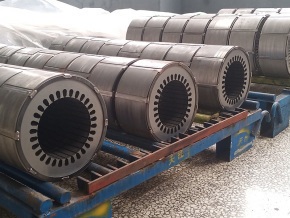
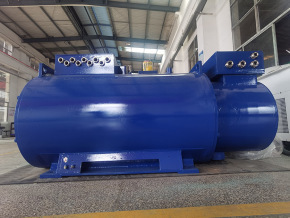
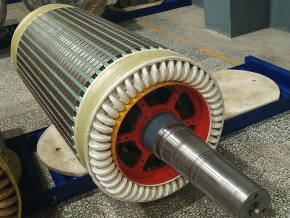
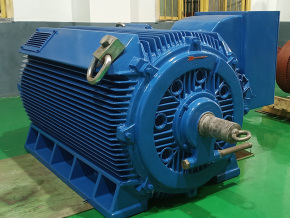
Rail transit systems are the backbone of urban transportation, facilitating the efficient movement of people and goods. At the heart of these systems lie **rail transit motors**, pivotal components that drive trains, trams, and other rail vehicles. Understanding their role is essential for appreciating how modern transportation functions and evolves. This article delves into the significance of rail transit motors, the different types available, their technological advancements, and their impact on energy efficiency and safety in the rail industry.
The Importance of Rail Transit Motors in Transportation
Rail transit motors are not just mechanical devices; they are critical to the performance and reliability of transportation systems. They convert electrical energy into mechanical energy, propelling trains and enabling them to reach speeds that meet modern travel demands. The efficiency of these motors directly influences operational costs, energy consumption, and overall system efficacy. With cities expanding and populations growing, the need for reliable and efficient rail transit systems has never been greater. Rail transit motors play a vital role in meeting these needs by ensuring smooth and safe operations while reducing operational costs.
Types of Rail Transit Motors
Understanding the various types of rail transit motors is essential for grasping their functionalities and applications. Each motor type has its own advantages and is selected based on specific operational requirements.
AC Motors
AC motors are widely used in rail transit due to their durability and efficiency. They provide consistent power and are capable of high-speed operation. The use of **variable frequency drives (VFDs)** allows for better control over speed and torque, making AC motors ideal for modern rail systems. These motors also have lower maintenance costs due to fewer moving parts compared to their DC counterparts.
DC Motors
DC motors were once the industry standard for rail transit. They are known for their excellent torque characteristics and ease of control. However, they require regular maintenance, and issues like brush wear can lead to operational inefficiencies. Despite this, DC motors still find use in certain applications due to their straightforward operation and capability to deliver high starting torque.
Synchronous Motors
Synchronous motors are increasingly being adopted in rail transit systems because of their ability to maintain synchronous speed regardless of load conditions. This characteristic leads to improved efficiency and stability in operations. Additionally, these motors contribute to reduced energy costs and lower environmental impact, aligning with the growing emphasis on sustainable transportation solutions.
Technological Advancements in Rail Transit Motors
The rail industry is continuously evolving, with technological advancements playing a vital role in enhancing the performance of rail transit motors. Innovations such as **smart motor technology**, which integrates IoT capabilities, allow for real-time monitoring and predictive maintenance. This innovation helps prevent failures and minimizes downtime, ultimately leading to a more reliable transit system.
Moreover, advancements in **materials science** have led to lighter and more efficient motor components. The development of high-temperature superconductors and advanced magnetic materials has enabled rail transit motors to operate more efficiently while reducing energy consumption. These technological breakthroughs signify a transition towards smarter, greener rail systems.
Enhancing Energy Efficiency in Rail Systems
Energy efficiency is a critical concern for modern rail systems, primarily due to rising energy costs and environmental considerations. Rail transit motors contribute significantly to energy consumption; therefore, enhancing their efficiency can lead to substantial savings.
One of the approaches to improve energy efficiency is through **regenerative braking**. This technology allows trains to convert kinetic energy back into electrical energy during braking, which can be reused, reducing overall energy consumption. Additionally, **high-efficiency motors** designed with advanced features, such as improved cooling systems and optimized rotor designs, also provide benefits in energy savings while maintaining performance.
Safety Features of Modern Rail Transit Motors
Safety is paramount in transportation, and rail transit motors must be equipped with features that ensure safe operations. Modern rail systems integrate advanced safety mechanisms such as **overload protection**, which prevents motors from operating beyond their capacity, thereby reducing the risk of failures.
Additionally, many rail transit motors are designed with built-in monitoring systems that detect abnormalities in temperature, vibration, and electrical performance. These systems trigger alarms or initiate corrective actions, ensuring that potential problems are addressed before they escalate into safety hazards.
The Future of Rail Transit Motors
As urban areas continue to grow, the demand for efficient and reliable rail transit systems will only increase. The future of rail transit motors will likely be shaped by several trends:
1. **Sustainability Initiatives**: The focus on reducing carbon footprints will drive innovations in motor technology, such as the development of electric and hybrid systems that minimize reliance on fossil fuels.
2. **Automation and AI**: The integration of artificial intelligence into rail systems will enhance operational efficiency and safety. AI can optimize motor performance and facilitate real-time decision-making based on data analytics.
3. **Smart Infrastructure**: The evolution towards smart cities will see rail systems interconnected with other transportation modes. Rail transit motors will need to adapt to these changes, ensuring compatibility with emerging technologies.
Frequently Asked Questions
1. What is the primary function of rail transit motors?
The primary function of rail transit motors is to convert electrical energy into mechanical energy to propel trains and other rail vehicles, ensuring efficient and reliable transportation.
2. What are the different types of rail transit motors?
The main types of rail transit motors include AC motors, DC motors, and synchronous motors, each with its unique advantages and applications in rail systems.
3. How do modern rail transit motors enhance energy efficiency?
Modern rail transit motors enhance energy efficiency through technologies like regenerative braking, high-efficiency designs, and advanced monitoring systems that optimize performance.
4. What safety features are integrated into rail transit motors?
Rail transit motors are equipped with safety features such as overload protection, real-time monitoring systems, and alarms that help prevent failures and ensure safe operations.
5. What is the future outlook for rail transit motors?
The future of rail transit motors will be influenced by sustainability initiatives, automation, AI integration, and the development of smart infrastructure in urban transportation systems.
Conclusion
Rail transit motors are essential components that play a significant role in the modern transportation landscape. By understanding their various types, technological advancements, and the critical functions they serve, we gain insights into the future of urban mobility. As cities continue to grow and evolve, the innovations in rail transit motors will be crucial for creating efficient, safe, and sustainable transportation solutions that meet the demands of the future. Embracing these advancements will not only enhance the reliability of rail systems but also contribute to a greener and more connected world.
recommend News

Wu Dejun: General Manager
Hu Pengbin: Marketing Director
Production site:
No.28, Huaiying Road, Gaoqiao Town, Changsha City, Hunan Province
Zip Code: 410145
Telephone:0731-86156236
ZhenHua Packing Machinery
Online consultation
Leave a message quickly and our experts will contact you
ZhenHua Packing Machinery
Business License

SAF Coolest v1.3.1.2 设置面板 GAGSD-ZGYF-JESSE-ZEA
无数据提示
Sorry, the current column is being updated, please look forward to it!
You can view other columns or returnHome Page