




Unlocking the Future of Transportation: The Role of High-Efficiency Motors
2026-01-19

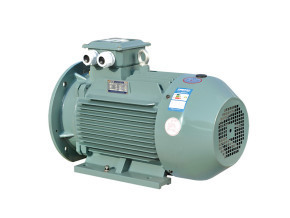
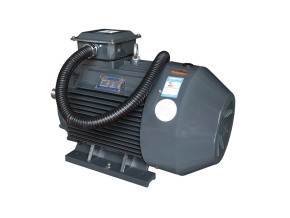
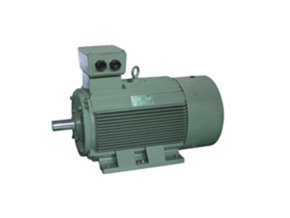
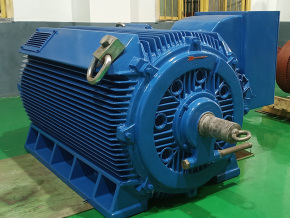
High-efficiency motors are increasingly becoming essential in the transportation sector, especially in the realm of various transportation equipment and components. These motors are designed to convert electrical energy into mechanical energy with minimal losses, thereby maximizing the output and effectiveness of the device they power. This advancement is crucial in an industry where performance and energy efficiency are paramount.
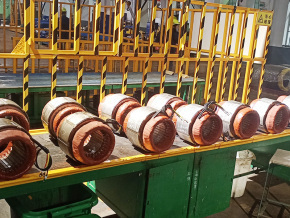
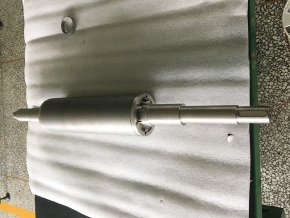
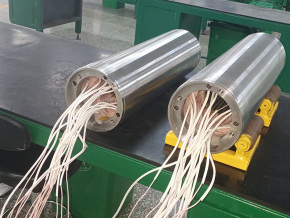
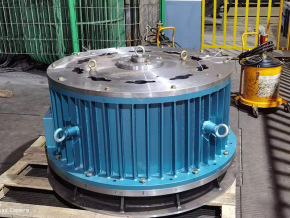
One of the main advantages of high-efficiency motors is their ability to significantly reduce energy consumption. Traditional motors often operate at lower efficiency levels, leading to excess energy wastage in the form of heat and noise. In contrast, high-efficiency motors utilize advanced design features such as optimized winding configurations, better magnetic materials, and improved cooling techniques to enhance performance. This not only leads to lower operational costs but also minimizes the environmental impact associated with energy consumption.
In the context of transportation, the adoption of high-efficiency motors translates into several benefits. For instance, electric vehicles (EVs) equipped with these motors can achieve greater ranges on a single charge, making them more appealing to consumers. Additionally, in applications like electric buses, trains, or even ferries, high-efficiency motors contribute to reduced greenhouse gas emissions, aligning with global sustainability goals. This is particularly important as cities around the world strive to reduce their carbon footprints and improve air quality.
Moreover, high-efficiency motors often require less maintenance than conventional motors, further enhancing their appeal for transportation applications. Their robust construction and lower operating temperatures can lead to extended lifespans, reducing the frequency of repairs and replacements. This reliability is crucial for transportation systems that rely on consistent performance to ensure the safety and satisfaction of passengers.
Another noteworthy aspect is that high-efficiency motors can improve the overall dynamics of transportation systems. By providing better torque characteristics and faster response times, they can enhance the acceleration and handling of vehicles. This is particularly relevant in competitive transportation environments where performance can make a significant difference.
In conclusion, high-efficiency motors represent a significant technological advancement in the transportation industry. Their ability to enhance energy efficiency, reduce environmental impact, and improve overall performance makes them an invaluable asset in modern transportation systems. As the industry continues to evolve, the integration of high-efficiency motors is likely to play a pivotal role in shaping the future of transportation equipment and components. By embracing this technology, companies can not only improve their operational efficiency but also contribute to a more sustainable and eco-friendly transportation landscape.
One of the main advantages of high-efficiency motors is their ability to significantly reduce energy consumption. Traditional motors often operate at lower efficiency levels, leading to excess energy wastage in the form of heat and noise. In contrast, high-efficiency motors utilize advanced design features such as optimized winding configurations, better magnetic materials, and improved cooling techniques to enhance performance. This not only leads to lower operational costs but also minimizes the environmental impact associated with energy consumption.
In the context of transportation, the adoption of high-efficiency motors translates into several benefits. For instance, electric vehicles (EVs) equipped with these motors can achieve greater ranges on a single charge, making them more appealing to consumers. Additionally, in applications like electric buses, trains, or even ferries, high-efficiency motors contribute to reduced greenhouse gas emissions, aligning with global sustainability goals. This is particularly important as cities around the world strive to reduce their carbon footprints and improve air quality.
Moreover, high-efficiency motors often require less maintenance than conventional motors, further enhancing their appeal for transportation applications. Their robust construction and lower operating temperatures can lead to extended lifespans, reducing the frequency of repairs and replacements. This reliability is crucial for transportation systems that rely on consistent performance to ensure the safety and satisfaction of passengers.
Another noteworthy aspect is that high-efficiency motors can improve the overall dynamics of transportation systems. By providing better torque characteristics and faster response times, they can enhance the acceleration and handling of vehicles. This is particularly relevant in competitive transportation environments where performance can make a significant difference.
In conclusion, high-efficiency motors represent a significant technological advancement in the transportation industry. Their ability to enhance energy efficiency, reduce environmental impact, and improve overall performance makes them an invaluable asset in modern transportation systems. As the industry continues to evolve, the integration of high-efficiency motors is likely to play a pivotal role in shaping the future of transportation equipment and components. By embracing this technology, companies can not only improve their operational efficiency but also contribute to a more sustainable and eco-friendly transportation landscape.
recommend News

Wu Dejun: General Manager
Hu Pengbin: Marketing Director
Production site:
No.28, Huaiying Road, Gaoqiao Town, Changsha City, Hunan Province
Zip Code: 410145
Telephone:0731-86156236
ZhenHua Packing Machinery
Online consultation
Leave a message quickly and our experts will contact you
ZhenHua Packing Machinery
Business License

SAF Coolest v1.3.1.2 设置面板 GAGSD-ZGYF-JESSE-ZEA
无数据提示
Sorry, the current column is being updated, please look forward to it!
You can view other columns or returnHome Page