




Unlocking Efficiency: How Subway Motors Transform Urban Transport
2026-01-14

Unlocking Efficiency: How Subway Motors Transform Urban Transport
Table of Contents
1. Introduction to Subway Motors and Urban Transport
2. The Mechanics of Subway Motors
2.1 Types of Subway Motors
2.2 How Subway Motors Work
3. Advantages of Subway Motors in Urban Transportation
3.1 Energy Efficiency and Sustainability
3.2 Enhanced Speed and Reliability
4. The Role of Technology in Subway Motor Development
4.1 Innovations in Motor Design
4.2 Integration with Smart City Infrastructure
5. Challenges and Solutions in Subway Motor Implementation
5.1 Overcoming Technical Limitations
5.2 Financial Considerations and Funding
6. Future Trends in Subway Motor Technology
7. Conclusion: The Future of Urban Transport and Subway Motors
8. Frequently Asked Questions (FAQs)
1. Introduction to Subway Motors and Urban Transport
Urbanization has dramatically transformed the way we live, work, and commute. With over half of the world's population residing in urban areas, the demand for efficient public transportation systems has never been more pressing. Subway systems, as a cornerstone of urban transport, play a vital role in alleviating traffic congestion and reducing carbon footprints. At the heart of these systems lie subway motors, a crucial element that drives the efficiency and effectiveness of urban rail networks.
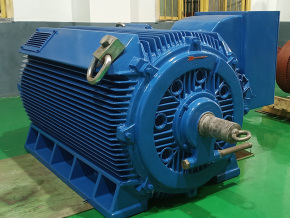
Subway motors are engineered to convert electrical energy into mechanical power, enabling trains to run smoothly and swiftly through underground and elevated tracks. Understanding the significance of these motors is essential for grasping how they contribute to the overall efficiency of urban transit.
2. The Mechanics of Subway Motors
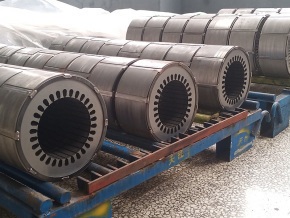
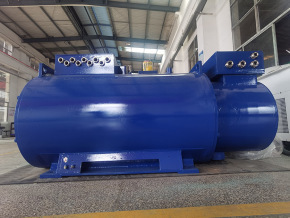
Subway motors are sophisticated machines designed to meet the demanding requirements of urban rail systems. Their design is critical for optimizing performance and ensuring reliability.
2.1 Types of Subway Motors
Subway systems primarily utilize two types of motors: **AC motors** and **DC motors**. Each type has its unique characteristics and advantages.
- **AC Motors**: Known for their efficiency and reduced maintenance needs, AC motors are increasingly becoming the preferred choice in modern subway systems. They offer smooth operation and better performance at higher speeds.
- **DC Motors**: While older technology, DC motors still find application in many subway systems due to their simplicity and ease of control. However, they require more frequent maintenance compared to AC counterparts.
2.2 How Subway Motors Work
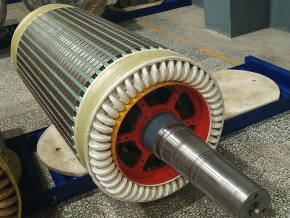
Subway motors function through electromagnetic principles, generating rotational energy that drives the wheels of the train. These motors are often coupled with gear systems that enhance torque, allowing trains to accelerate quickly from a standstill and maintain high speeds on inclines.
The control systems play a crucial role in motor operation, employing advanced algorithms to manage acceleration, deceleration, and braking smoothly. This not only improves passenger comfort but also maximizes energy efficiency.
3. Advantages of Subway Motors in Urban Transportation
Subway motors contribute significantly to the advantages of urban transport systems, making them a preferred choice for city planners.
3.1 Energy Efficiency and Sustainability
One of the primary benefits of subway motors is their energy efficiency. Modern motors are designed to minimize energy consumption while maximizing output. The shift towards **regenerative braking systems** allows trains to recover energy that would otherwise be lost during braking. This innovative technology contributes to a more sustainable urban transport solution, reducing the overall carbon footprint of subway systems.
3.2 Enhanced Speed and Reliability
Subway motors are engineered for speed and reliability, ensuring that trains can operate at higher frequencies without compromising safety. Enhanced acceleration and deceleration capabilities allow for shorter wait times at stations, improving the overall commuter experience. The reliability of subway motors is crucial for maintaining consistent service, as delays in urban transport can significantly impact daily life.
4. The Role of Technology in Subway Motor Development
Technological advancements are driving the evolution of subway motors, making them more efficient and integrated within broader urban transport networks.
4.1 Innovations in Motor Design
The design of subway motors has evolved significantly, incorporating lightweight materials and advanced cooling systems. These innovations not only enhance performance but also reduce the weight of trains, leading to lower energy consumption. Additionally, the adoption of **smart sensors** helps in monitoring motor health, allowing for predictive maintenance and minimizing downtime.
4.2 Integration with Smart City Infrastructure
As cities become smarter, the integration of subway motors with city-wide transport networks is becoming paramount. Advanced communication systems enable real-time data sharing between trains and control centers, optimizing train schedules and reducing energy consumption. This integration is key to creating a seamless transport experience for commuters.
5. Challenges and Solutions in Subway Motor Implementation
Despite the advantages, the implementation of subway motors faces several challenges that must be addressed to ensure their effectiveness.
5.1 Overcoming Technical Limitations
One of the significant challenges in subway motor technology is overcoming technical limitations related to power supply and motor control systems. Continuous advancements in technology, such as **power electronics** and **control algorithms**, are essential in addressing these issues, ensuring that subway motors can operate optimally in various conditions.
5.2 Financial Considerations and Funding
The financial aspect of upgrading subway motors can be substantial. However, investing in more efficient motors can lead to long-term savings in energy costs and maintenance. Public-private partnerships and government funding can ease the financial burden, allowing for the modernization of urban transport systems.
6. Future Trends in Subway Motor Technology
The future of subway motors holds exciting possibilities, driven by ongoing technological advancements and the urgent need for sustainable urban transport solutions.
Emerging trends include the development of **hybrid motors**, which combine the strengths of both AC and DC technologies, offering improved efficiency and flexibility. Additionally, the incorporation of **artificial intelligence** in managing train operations can lead to smarter scheduling and enhanced safety measures, ensuring that subway systems remain efficient and reliable for future urban transit needs.
7. Conclusion: The Future of Urban Transport and Subway Motors
The role of subway motors in transforming urban transport is undeniable. As cities continue to grapple with rapid population growth and the challenges that come with it, subway systems equipped with advanced motors will be critical in creating efficient, sustainable, and reliable transportation solutions. With ongoing innovations and the integration of smart technologies, the future of subway motors promises not only to enhance urban mobility but also to contribute to greener cities.
8. Frequently Asked Questions (FAQs)
1. What are subway motors, and how do they work?
Subway motors are electric motors that drive subway trains, converting electrical energy into mechanical power. They operate through electromagnetic principles, generating the rotational force needed to move the train.
2. What types of motors are used in subways?
Subway systems primarily use AC motors for their efficiency and reduced maintenance needs, though some older systems still utilize DC motors.
3. How do subway motors contribute to sustainability?
Subway motors promote sustainability through energy-efficient designs and regenerative braking systems that recover energy during braking, reducing the overall carbon footprint of subway operations.
4. What innovations are shaping the future of subway motors?
Innovations such as lightweight materials, advanced cooling systems, and smart sensors are enhancing subway motor performance. Additionally, the integration of AI for smarter scheduling is an emerging trend.
5. What challenges do subway motors face?
Challenges include technical limitations related to power supply and control systems, as well as financial considerations for upgrading existing infrastructure. Addressing these challenges is crucial for optimizing urban transport systems.
By recognizing the critical role subway motors play in urban transport, we can better appreciate the innovations and advancements that will shape the future of city commuting.
recommend News

Wu Dejun: General Manager
Hu Pengbin: Marketing Director
Production site:
No.28, Huaiying Road, Gaoqiao Town, Changsha City, Hunan Province
Zip Code: 410145
Telephone:0731-86156236
ZhenHua Packing Machinery
Online consultation
Leave a message quickly and our experts will contact you
ZhenHua Packing Machinery
Business License

SAF Coolest v1.3.1.2 设置面板 GAGSD-ZGYF-JESSE-ZEA
无数据提示
Sorry, the current column is being updated, please look forward to it!
You can view other columns or returnHome Page