




Understanding Rail Transit Motors: The Heart of Modern Transportation
2026-01-15

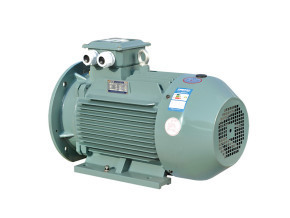
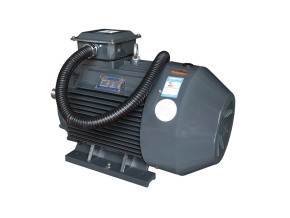
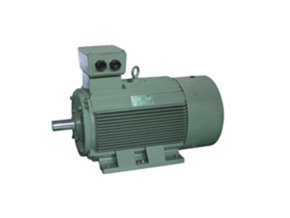
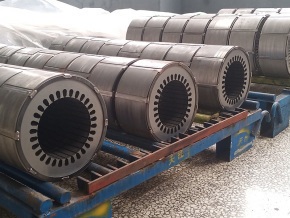
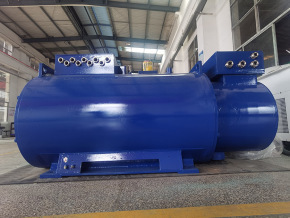
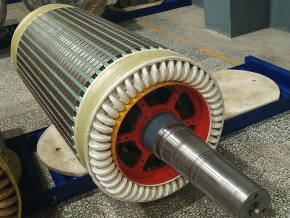
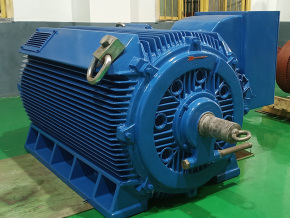
Rail transit motors are fundamental components of modern transportation systems, enabling the smooth operation of trains, trams, and other rail vehicles. These motors are specifically designed to drive the wheels of railcars, providing the necessary torque and speed to transport passengers and goods efficiently. Understanding the various aspects of rail transit motors is crucial for appreciating their role in contemporary urban mobility solutions.
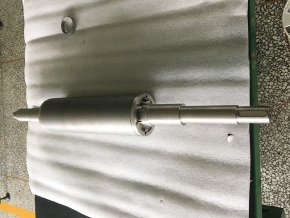
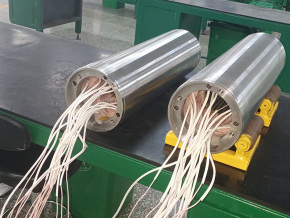
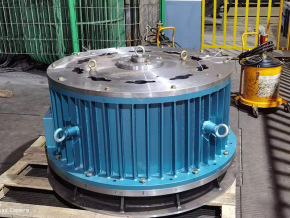
At their core, rail transit motors convert electrical energy into mechanical energy. This transformation allows trains to accelerate, decelerate, and maintain speed over various terrains. The choice of motor design significantly impacts the overall performance of the rail system. The most common types of rail transit motors include AC (Alternating Current) and DC (Direct Current) motors, each with its unique advantages and applications.
AC motors are widely preferred due to their efficiency and reduced maintenance needs. They operate smoothly at varying speeds and are less susceptible to wear and tear compared to their DC counterparts. This makes them ideal for high-speed rail systems and applications requiring consistent performance over extended periods. On the other hand, DC motors, although less common in modern rail systems, can provide excellent torque at low speeds, making them suitable for specific applications, such as light rail and streetcars.
In addition to their operational roles, rail transit motors play a crucial part in the sustainability efforts of the transportation industry. As urban populations continue to grow, efficient public transport systems become essential in reducing traffic congestion and lowering greenhouse gas emissions. Electric rail systems, powered by advanced rail transit motors, contribute to cleaner air and a smaller carbon footprint compared to traditional fossil fuel-powered vehicles.
Moreover, advancements in technology have led to the development of regenerative braking systems in rail transit motors. This innovative feature allows trains to convert kinetic energy back into electrical energy during braking, which can then be reused to power the train or fed back into the grid. This not only enhances energy efficiency but also reduces operational costs for transit authorities.
Maintenance is another critical aspect of rail transit motors. Regular inspections and servicing can significantly extend the lifespan of these motors and ensure safe and reliable operation. Implementing predictive maintenance strategies, such as monitoring motor performance through data analytics, can help identify potential issues before they lead to significant failures.
In conclusion, rail transit motors are indispensable in the realm of transportation, driving the future of urban mobility. Their efficient operation and contributions to sustainability underscore the importance of continued investment and innovation in this field. Understanding the intricacies of rail transit motors not only highlights their technical significance but also emphasizes their role in shaping a more sustainable and efficient public transport landscape.
At their core, rail transit motors convert electrical energy into mechanical energy. This transformation allows trains to accelerate, decelerate, and maintain speed over various terrains. The choice of motor design significantly impacts the overall performance of the rail system. The most common types of rail transit motors include AC (Alternating Current) and DC (Direct Current) motors, each with its unique advantages and applications.
AC motors are widely preferred due to their efficiency and reduced maintenance needs. They operate smoothly at varying speeds and are less susceptible to wear and tear compared to their DC counterparts. This makes them ideal for high-speed rail systems and applications requiring consistent performance over extended periods. On the other hand, DC motors, although less common in modern rail systems, can provide excellent torque at low speeds, making them suitable for specific applications, such as light rail and streetcars.
In addition to their operational roles, rail transit motors play a crucial part in the sustainability efforts of the transportation industry. As urban populations continue to grow, efficient public transport systems become essential in reducing traffic congestion and lowering greenhouse gas emissions. Electric rail systems, powered by advanced rail transit motors, contribute to cleaner air and a smaller carbon footprint compared to traditional fossil fuel-powered vehicles.
Moreover, advancements in technology have led to the development of regenerative braking systems in rail transit motors. This innovative feature allows trains to convert kinetic energy back into electrical energy during braking, which can then be reused to power the train or fed back into the grid. This not only enhances energy efficiency but also reduces operational costs for transit authorities.
Maintenance is another critical aspect of rail transit motors. Regular inspections and servicing can significantly extend the lifespan of these motors and ensure safe and reliable operation. Implementing predictive maintenance strategies, such as monitoring motor performance through data analytics, can help identify potential issues before they lead to significant failures.
In conclusion, rail transit motors are indispensable in the realm of transportation, driving the future of urban mobility. Their efficient operation and contributions to sustainability underscore the importance of continued investment and innovation in this field. Understanding the intricacies of rail transit motors not only highlights their technical significance but also emphasizes their role in shaping a more sustainable and efficient public transport landscape.
Previous Page:
recommend News

Wu Dejun: General Manager
Hu Pengbin: Marketing Director
Production site:
No.28, Huaiying Road, Gaoqiao Town, Changsha City, Hunan Province
Zip Code: 410145
Telephone:0731-86156236
ZhenHua Packing Machinery
Online consultation
Leave a message quickly and our experts will contact you
ZhenHua Packing Machinery
Business License

SAF Coolest v1.3.1.2 设置面板 GAGSD-ZGYF-JESSE-ZEA
无数据提示
Sorry, the current column is being updated, please look forward to it!
You can view other columns or returnHome Page